
Day 01Arrival in HanoiD
French-speaking guide & private driver · 40 km · 45 min
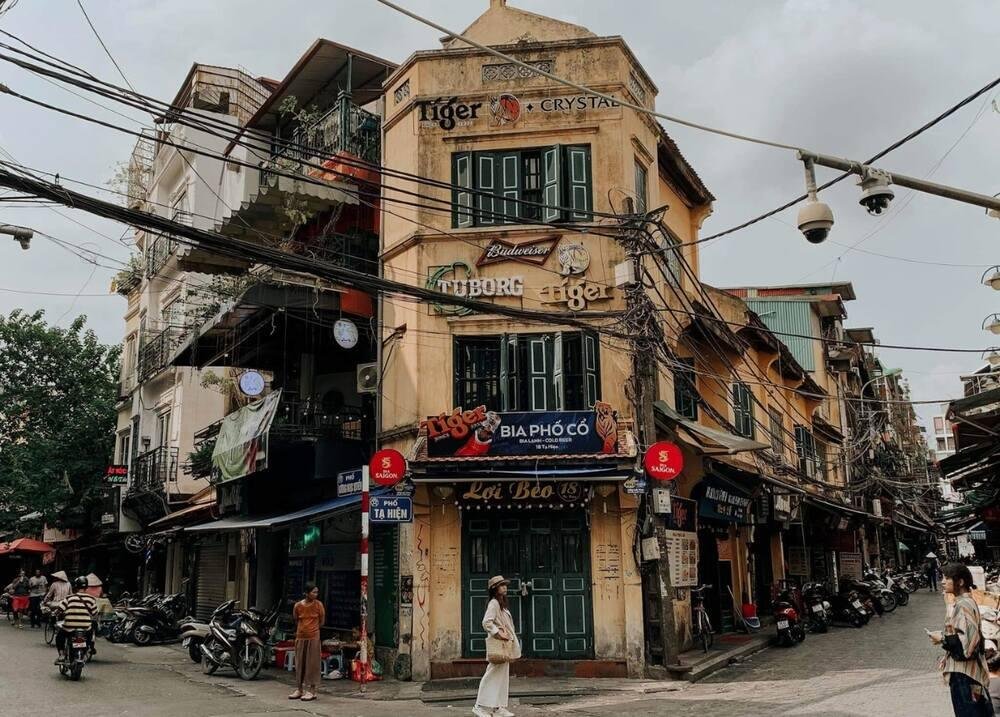
Welcome at Noi Bai and transfer to the Old Quarter. This tour stands on one simple conviction: you don’t learn a cuisine by tasting it, you learn it by making it, and above all by seeing where the produce comes from. So you will do four workshops, three markets at dawn and five producer visits in ten days.
One thing to understand this very evening: Vietnamese cuisine rests on a balance, not a recipe. Five flavours — salty, sweet, sour, bitter, spicy — must answer one another in the same dish, a doctrine inherited from Chinese medicine and the theory of the five elements. That is why you will always be brought lime, chilli, sauce and herbs beside your plate: the dish is not finished, it is up to you to tune it.
The other pillar is nước mắm. Anchovies and salt in a wooden barrel, twelve months of fermentation in the shade, and an amber liquid drawn off from the bottom. It plays the role salt plays in Europe: it is not a condiment but the basic seasoning, present in nine dishes out of ten. You will visit a factory at the end of the trip.
Welcome dinner around a bún chả, charcoal-grilled pork in a warm sweet-and-sour broth. Your guide will show you the order: herbs first, noodles next, never the other way round.
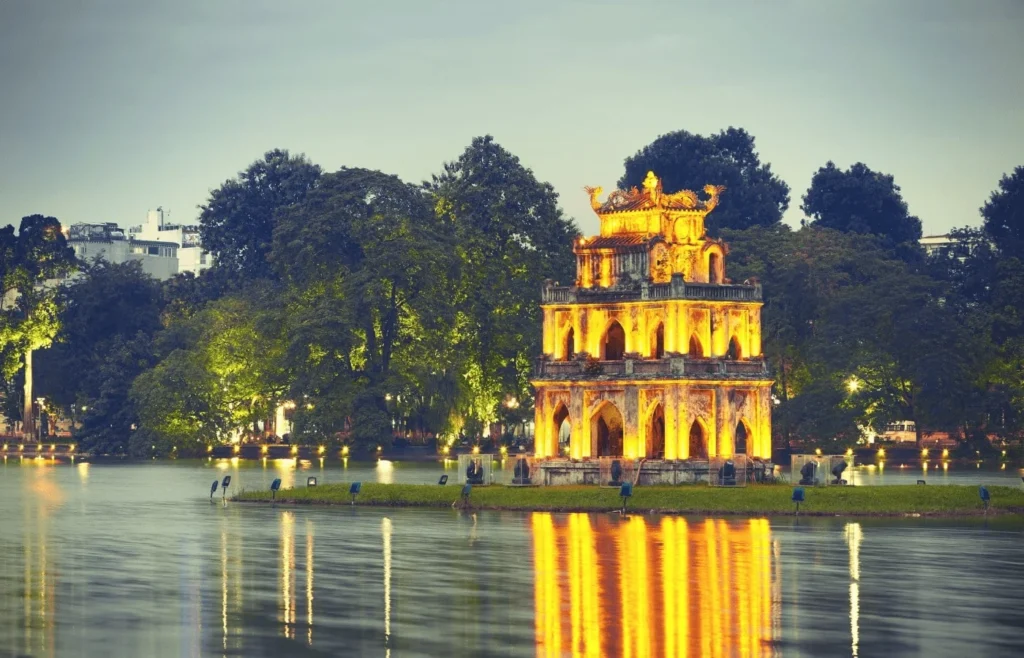
Day 02Hanoi, the market before dawnB, L
French-speaking guide & private driver · On foot
Up at five for the Long Bien wholesale market, under the bridge of the same name. This is where everything Hanoi will eat during the day arrives at night: trucks of vegetables from the delta, fish from the Gulf of Tonkin, fruit from China and the South. At six, the retailers load their two baskets onto their shoulder poles and head off to the neighbourhood markets. By seven there is nothing left.
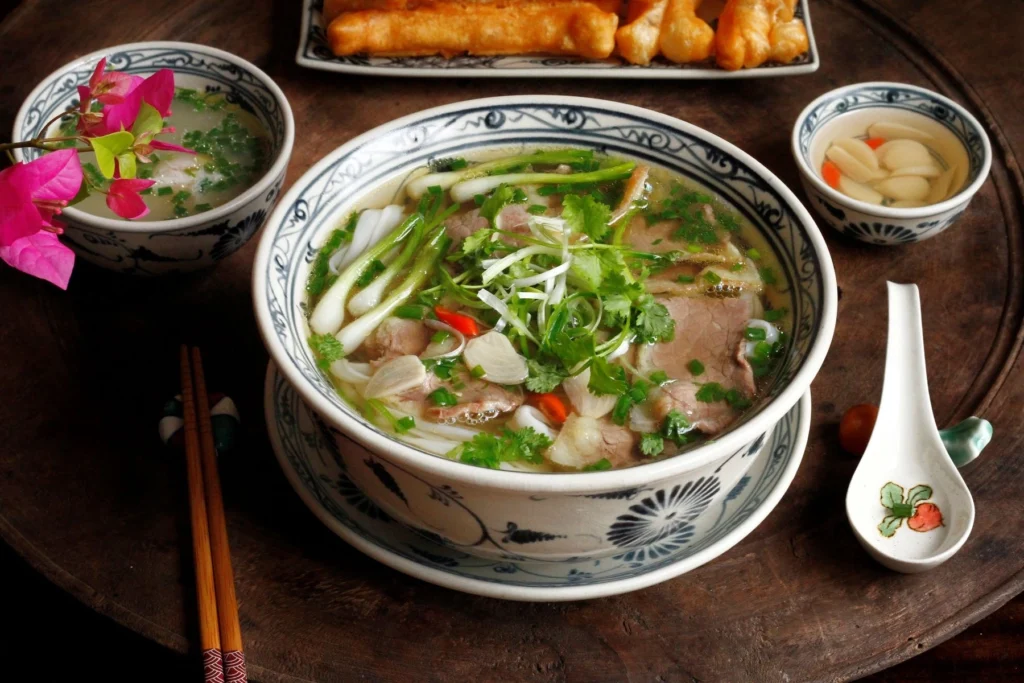
Breakfast standing at the edge of the market, like everyone else: a phở at a stall that serves nothing else. The broth has simmered for eight to twelve hours with beef bones, ginger and flame-charred onions — it is this charring that gives depth and colour, and it is the detail Western recipes forget.
Morning workshop: herbs. Some twenty varieties that English has no names for — perilla, sawtooth coriander, Thai basil, wild betel leaf, paracress. Each dish has its compulsory bouquet and nothing is substituted: the bún chả wants perilla, fish wants dill, beef soup wants sawtooth coriander.
Lunch around chả cá, turmeric fish cooked at the table, served on Cha Ca street by the same family for five generations. Dill, a European herb, arrived with the French: the dish is less than a hundred and fifty years old.
Day 03Hanoi — Bat Trang — HanoiB, L
French-speaking guide & private driver · 30 km · 45 min
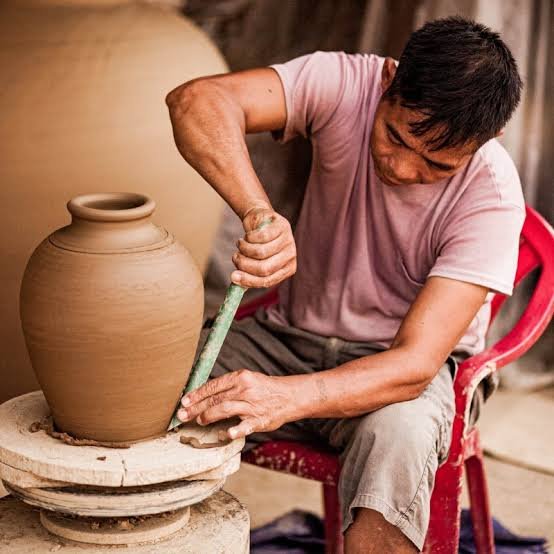
Bat Trang, on the other bank of the Red River, has been throwing ceramics since the 14th century. The village owes its existence to a deposit of white clay and to its position on the river, which allowed goods to be shipped to Thang Long and then to the sea.
The visit is not decorative. All northern Vietnamese cooking is done in earthenware: the pot for cá kho tộ, caramelised fish simmered in a clay pot that heats slowly and holds the heat; brine jars; rice bowls whose thickness stops you burning yourself. You will see why these shapes are what they are, and you will throw a piece yourselves.
The kilns were once coal-fired tunnel kilns, and the fuel cakes were slapped against the village walls to dry — the black, bumpy walls can still be seen in the old alleys. Gas has replaced almost all of them over the last twenty years, for pollution reasons.
Back to Hanoi and a first cooking workshop, with a family in the Tay Ho district. On the menu, rolls: northern nệm rán , fried, in rice paper moistened with beer so that it blisters, and fresh gỏi cuốn . The rolling gesture takes half an hour to learn and a lifetime to master.
Day 04Hanoi — flight to HueB, D
French-speaking guide & private driver · Flight 1 h 15 + 15 km
Free morning in Hanoi then flight to Hue in the afternoon. One hour fifteen, and you change cuisine as sharply as climate.
Hue’s table is the only one in the country to have been designed for a court. The chronicles speak of fifty dishes per imperial meal, each in a tiny portion, so that the sovereign could taste without filling up. What remains is a cuisine of detail, highly worked, where presentation counts as much as taste — vegetables are carved, banana leaves folded, food served in little dishes.
It is also the spiciest of the three cuisines. This is often explained by the climate — the Centre is damp and cool in winter — but the real reason is more prosaic: the province is poor in land, the rice ration was meagre, and chilli helps a lot of rice go down with little to accompany it. Almost all the world’s fiery cuisines were born of this arithmetic.
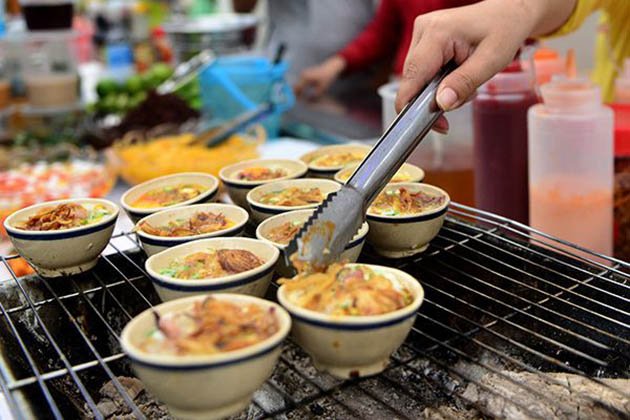
Dinner of bánh : bánh bèo in little dishes, bánh nậm in banana leaf, bánh lọc translucent with tapioca starch, topped with a whole shrimp. You order twenty for two, and that is a meal.
Day 05HueB, L
French-speaking guide & private driver · 30 km during the day
Dong Ba market at opening time, by the river. It is the largest market in the Centre and the best place in the country to understand fermented pastes. mắm ruốc, Hue’s shrimp paste, is sold by the basin: tiny shrimps, salt, six months of sun. A spoonful is enough to give a soup a depth nothing else gives — it is what distinguishes bún bò Huế from phở.
Cooking workshop in a garden house on the south bank, with a cook from a family connected to the court. On the menu: bún bò Huế — beef and pork-knuckle broth built up with lemongrass and shrimp paste — and bánh lọc, whose tapioca dough must be worked scalding hot to turn translucent when cooked.
You will also learn the principle that governs this whole cuisine:đồ chua, pickled vegetables. Carrot and daikon in fine sticks, vinegar, sugar, salt, an hour’s rest. They accompany grilled meats, fill the bánh mì, cut through fat: without them, Vietnamese cuisine would be a different cuisine.
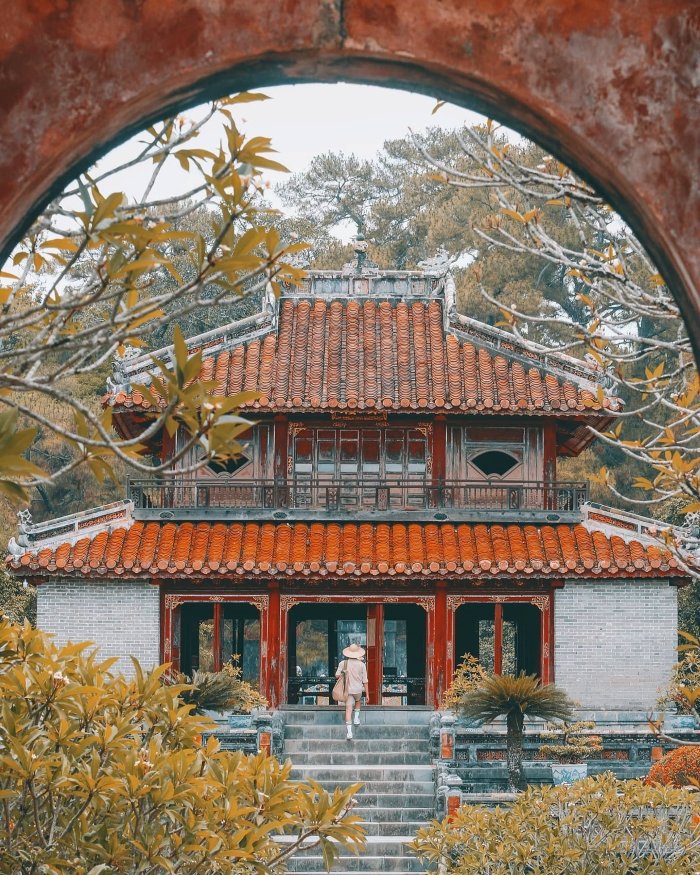
Late afternoon at the citadel or in the garden houses of Kim Long, mandarin residences arranged around an orchard, a pond and a screen hedge — the domestic version of the principles that shaped the Imperial City.
Day 06Hue — Hoi AnB
French-speaking guide & private driver · 130 km · 3 h 30 with stops
Road south via the Tam Giang lagoon, the largest in South-East Asia, where thousands of families live from fixed-net fishing. A stop to watch the traps being hauled in early in the morning if the timing is right.
A halt at Lang Co, at the foot of the Hai Van Pass, for oysters and vong, lagoon clams gathered by hand from the mud. They are eaten grilled over embers with crushed peanuts, spring onion sizzled in oil and a squeeze of lime. It is a truck stop, not a restaurant with tablecloths, and that is exactly why it is worth the detour.
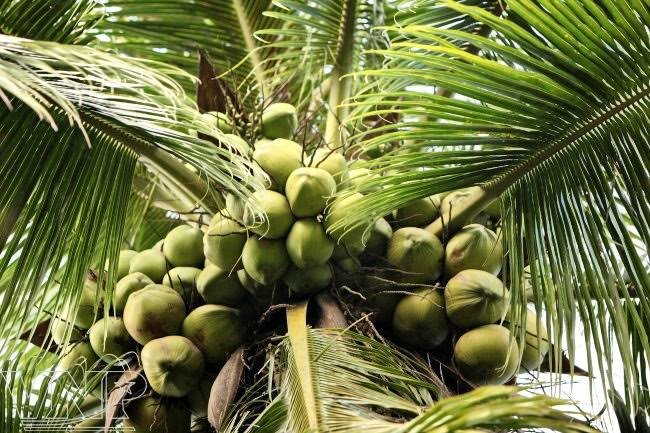
Then the Hai Van Pass, four hundred and ninety-six metres above the Pacific. It is the country’s climatic border, and therefore also an agricultural one: to the south begin the coconut palms, sugar cane and two to three rice harvests a year. The cuisine turns sweet from this pass onwards, and that is no cultural accident.
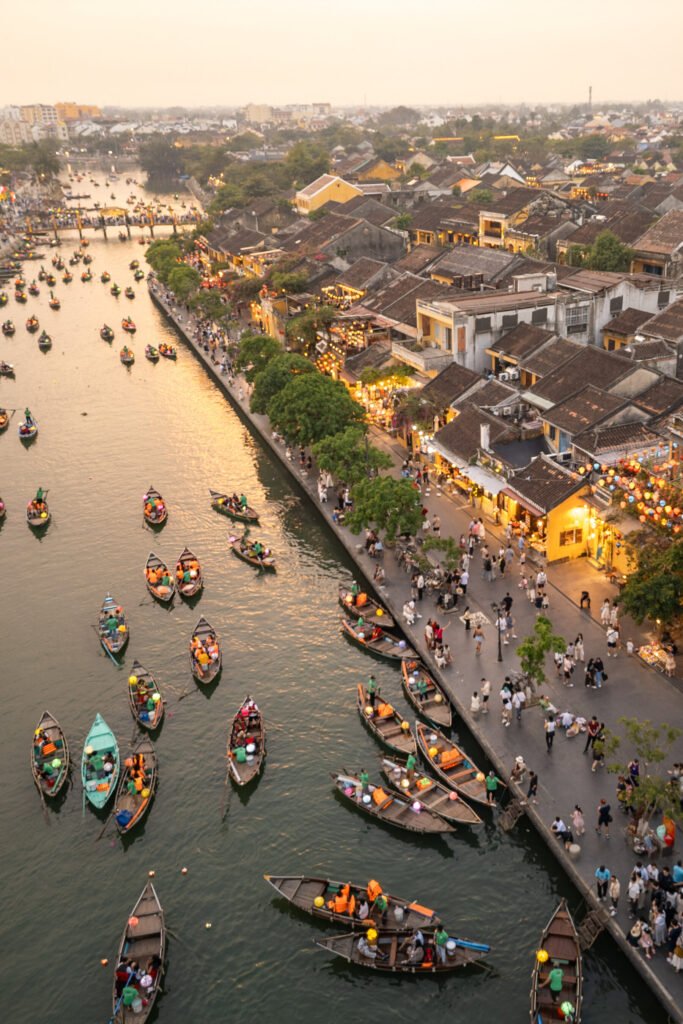
Stop at the Cham museum in Da Nang, then arrival in Hoi An as the lanterns light up. Free evening.
Day 07Hoi AnB, L
French-speaking guide & private driver · Bike · 8 km
A day by bike between producers, and probably the most instructive of the trip.
First stop, Tra Que, the market-garden village that supplies herbs to the whole region. The beds have been fertilised for four centuries with green algae from the river, gathered by hand and spread in layers: no fertiliser, no synthetic products, and an aromatic intensity you can check that very evening by comparing two basils. You will work a bed with the two-pronged hoe and the double watering can carried on a shoulder pole — it is harder than it looks.
Second stop, a noodle workshop. Soaked rice is ground with its water on a stone mill, the batter is ladled onto a cloth stretched over a rice-husk fire, steamed in thirty seconds, dried on racks then cut. It is the founding gesture of the whole country’s cuisine: rice pancakes, fresh noodles and rice paper all come from the same process.
Cooking workshop in the afternoon, after a stop at the central market. On the menu cao lầu, a noodle unique to Hoi An: it requires water from one particular Cham well and ash from wood burned on the Cham Islands, whose alkaline lye gives the dough its firmness. That is why you find it nowhere else, not even in Da Nang, thirty kilometres away.
Day 08Hoi An — flight to SaigonB, D
French-speaking guide & private driver · Flight 1 h 20 + 30 km
Free morning — the quayside fish market between six and seven is the best possible use of it — then flight to Saigon in the afternoon.
The third cuisine, and the most mixed. The South is sweet: palm sugar goes into almost everything, including savoury dishes, because sugar cane and sugar palms grow here in abundance. It is also the most herbal — whole plates of raw herbs are served — and the most open: Khmer via the delta, Chinese via Cholon, French via colonisation.
The bánh mì sums up this history better than a museum. The baguette, lightened with rice flour to withstand the humidity, is French; so are the pâté and the mayonnaise; the chả lụa, coriander, chilli and pickled vegetables are Vietnamese. The result exists only here, and that is what the word creolisation means.
Street-food dinner by scooter with a guide, in three or four neighbourhoods: cơm tấm — broken rice, grilled pork ribs, egg —, hủ tiếu from the Sino-Cambodian tradition, and a coconut-milk dessert. It is the activity our travellers mention most when they get back.
Day 09Saigon — Cai Be — Mekong DeltaB, L, D
French-speaking guide & private driver · 110 km · 2 h
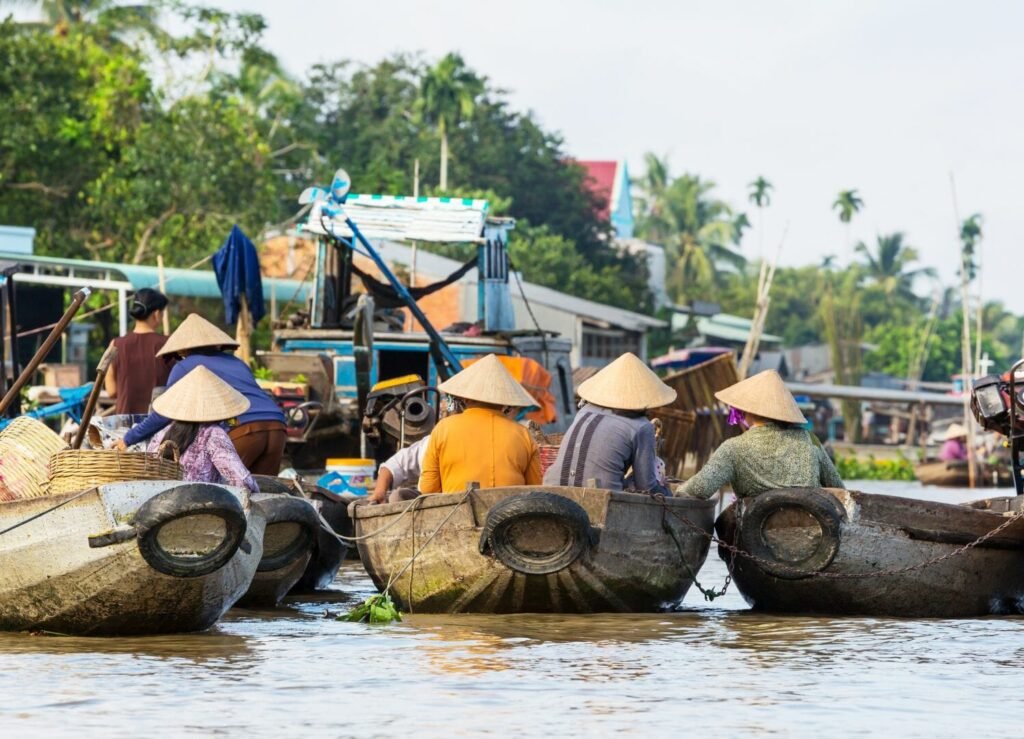
Road to the delta, the country’s larder: it produces half of Vietnam’s rice, almost all of its exported rice, most of its fruit and a large share of its farmed fish.
Afternoon by sampan along the canals of Cai Be, with four stops at craftspeople. The rice-paper workshop, where batter is ladled onto a cloth over a rice-husk fire — the husk, a by-product of milling, serves as free fuel. The coconut-candy workshop, where coconut milk and rice malt are cooked until they pull into threads, then stretched and cut by hand. Puffed rice, thrown into burning sand that pops the grains in three seconds. And a family still for rice spirit.
A visit to a nước mắm factory closes the loop opened on the first day. Wooden barrels holding several tonnes, a layer of anchovies, a layer of salt, twelve months in the shade, and a draw-off from the bottom. The first run, called nhĩ, is the most concentrated and is measured in degrees of nitrogen — forty degrees for a very good one, against ten to fifteen for industrial sauces cut with water and sugar. You will know how to read a label after that.
Night in a guesthouse in the middle of an orchard, with the family’s dinner: cá tai tượng, elephant-ear fish served standing upright, which you flake yourself into rice paper.
Day 10Delta — Saigon — departureB
French-speaking guide & private driver · 110 km · 2 h
Early rise for a last market before the heat, then road to Saigon.
The delta produces fruits Europe doesn’t know: rambutan, longan, mangosteen, sapodilla, star apple, dragon fruit, and durian, whose smell gets it banned from hotels and which the Vietnamese adore. High season runs from May to August; outside it, you mostly taste citrus, coconuts and bananas.
What to bring home if you want to cook: first-press nước mắm , Phu Quoc pepper, Quang Nam cinnamon, Buon Ma Thuot robusta for the filter, and dried rice paper, which travels well. The herbs, however, can’t be replaced: perilla and sawtooth coriander grow in pots in Europe, and they are the best souvenir to bring back.
One last thing. You will have noticed that almost everything you learned rests on three gestures: fermenting, soaking and grilling over charcoal. Vietnamese cooking hardly uses an oven — homes don’t have one — and very little fat. That is what makes it reproducible at home, and it is the real souvenir of this trip.
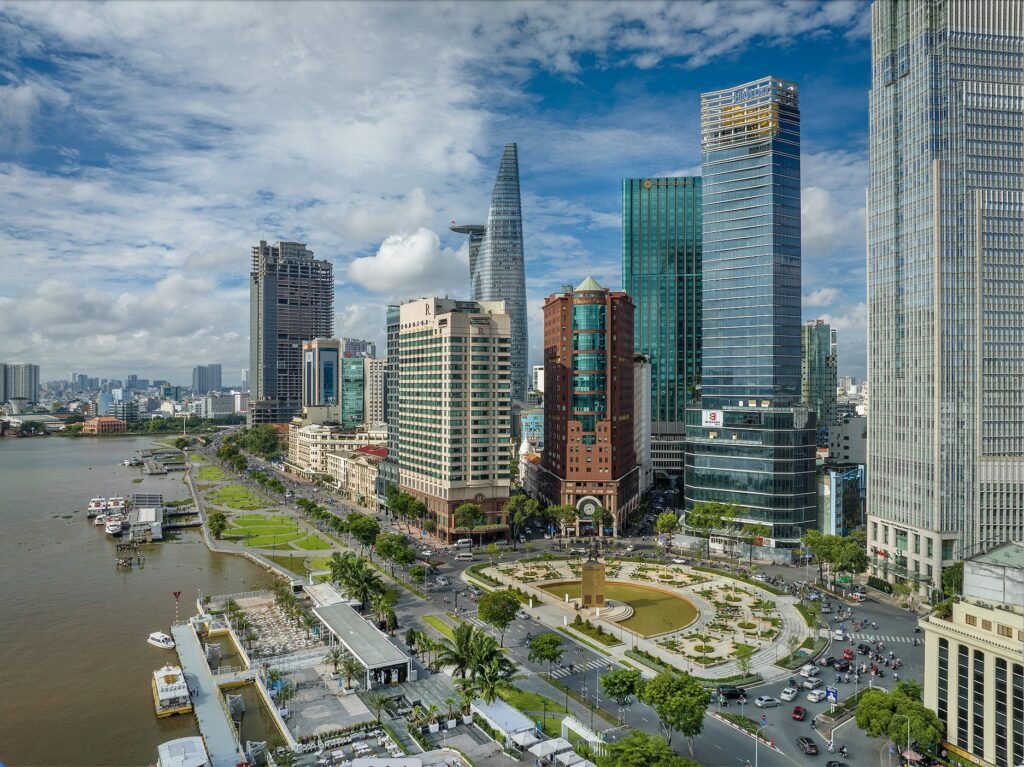
Transfer to Tan Son Nhat, which is within the city itself: count on traffic rather than distance.
Continue
Other tours you might like
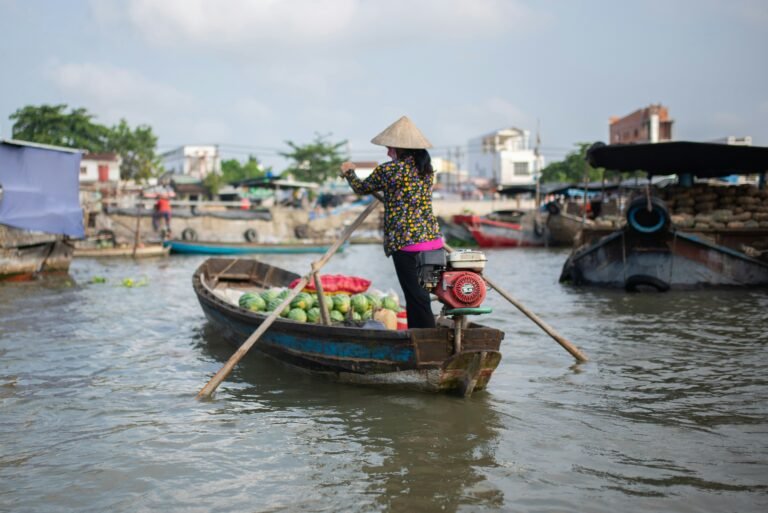 Sea and islandsThe South and Phu Quoc — 10 daysSaigon — Cai Be — Can Tho — Chau Doc — Phu Quoc — Saigon10 days / 9 nightsfrom €1,590
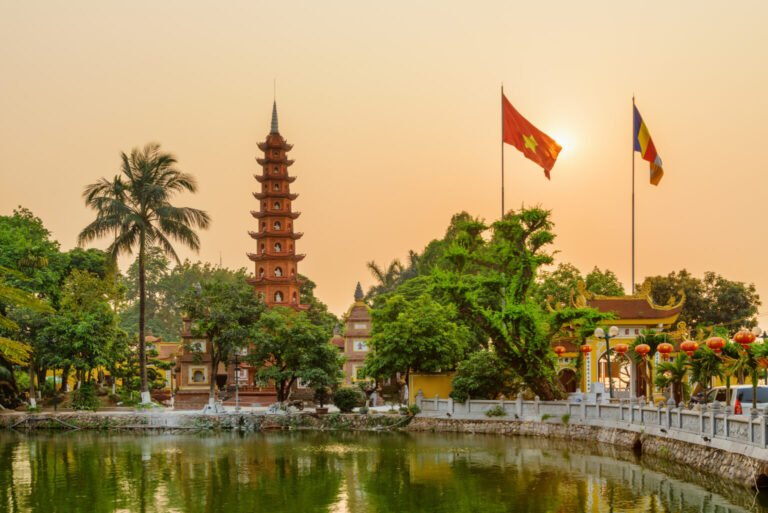 The essentialsVietnam in 10 daysHanoi — Ninh Binh — Lan Ha Bay — Hue — Hoi An — Saigon10 days / 9 nightsfrom €1,500
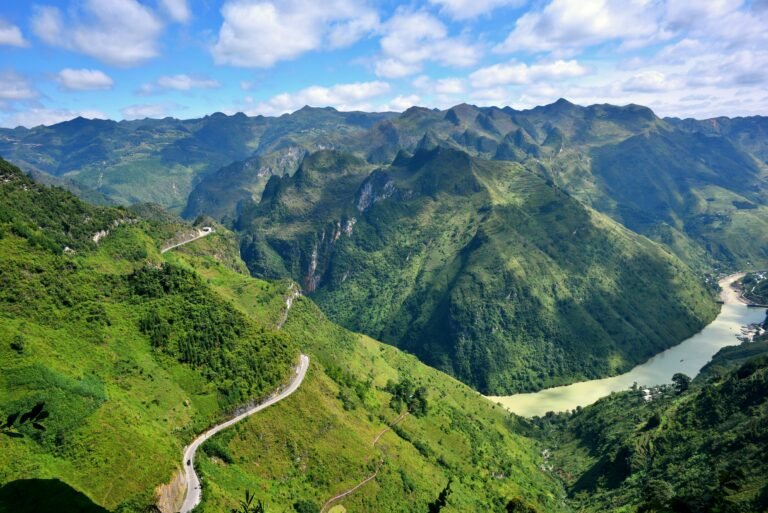 Off the beaten trackTrekking in the North-West — 11 daysHanoi — Mai Châu — Pu Luong — Nghia Lo — Mu Cang Chai — Thac Ba Lake — Hanoi11 days / 10 nightsfrom €1,650