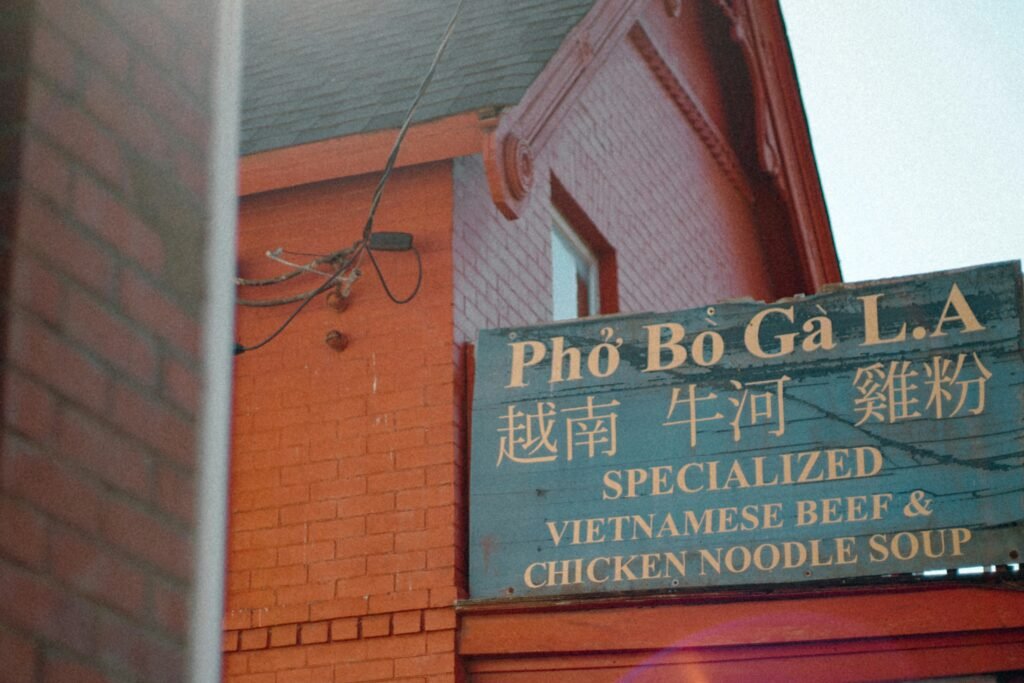
What to bring back from Vietnam, and at what price
Half of what is sold as “Vietnamese handicraft” comes from China, and half of what people bring home never comes out of the cupboard. The seven purchases that keep their promises, those that are illegal, and how far to bargain.
In brief
The best buy
Phu Quoc pepper and Da Lat arabica coffee: light, legal, impossible to find at home at this price
Where to buy
From the producer in the villages rather than in old-town shops
To avoid
Civet coffee, “antiques”, any product from protected species
Realistic budget
€50 to €150 per person to bring home enough for ten gifts
What is worth it, and what isn’t
The rule that avoids every disappointment: buy what is made where you are. Vietnam really produces silk, lacquer, ceramics, coffee, tea, pepper and minority textiles. Everything else — costume jewellery, mass-produced carvings, cheap embroidery, fridge magnets — almost always comes from China.The best criterion is not price but where you buy: a workshop that shows you the making sells what it makes. A shop on a shopping street doesn’t.The second criterion is use. Many souvenirs brought home from Vietnam never come out of the cupboard: the conical hat, the traditional costume bought on impulse, decorative musical instruments. What our travellers actually use when they get back is coffee, tea, spices, a ceramic dish, a well-cut silk shirt.
The seven purchases that keep their promises
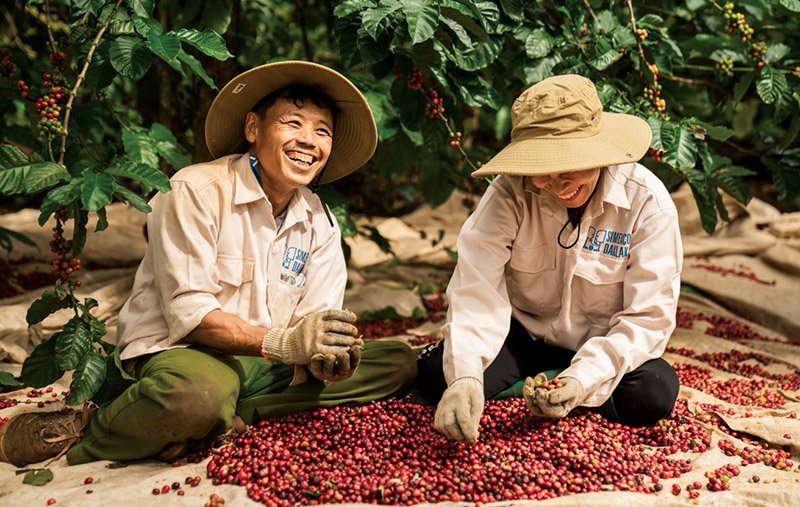
Coffee — as beans, with a recent roast date, plus a phin filter for two euros. Avoid butter-flavoured coffees from tourist markets and civet coffee.
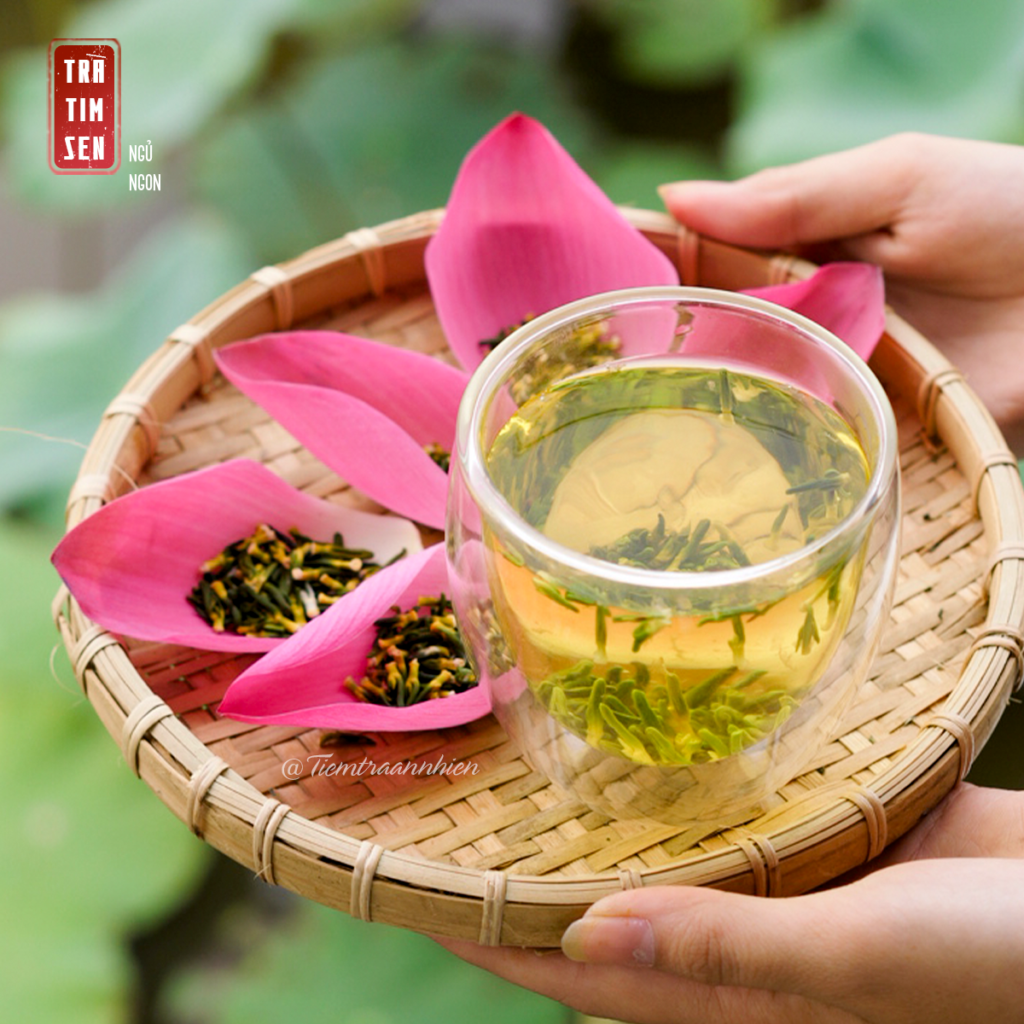
Tea — a Thái Nguyên green for every day, an old-tree shan tuyết if you want something you won’t find elsewhere. Taste first.
Pepper — Vietnam is the world’s largest producer. Phú Quốc peppercorns keep for years and cost next to nothing.
Lacquer — heavy, cold to the touch, perfectly smooth. A small authentic piece costs several tens of euros; below that, it is varnish.
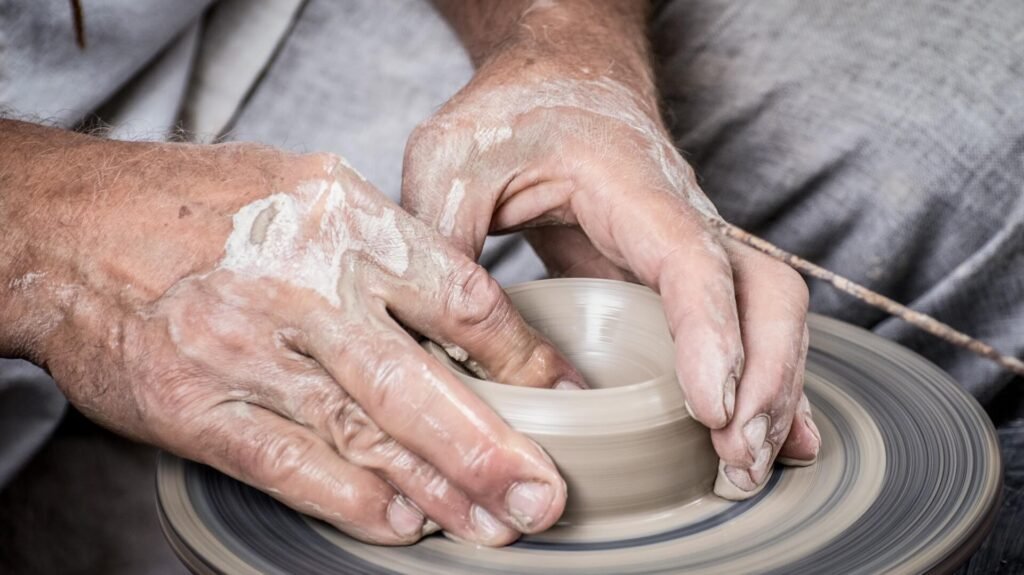
Bát Tràng ceramics — bowls, teapots, dishes. Sturdy, cheap, and the workshop packs properly.
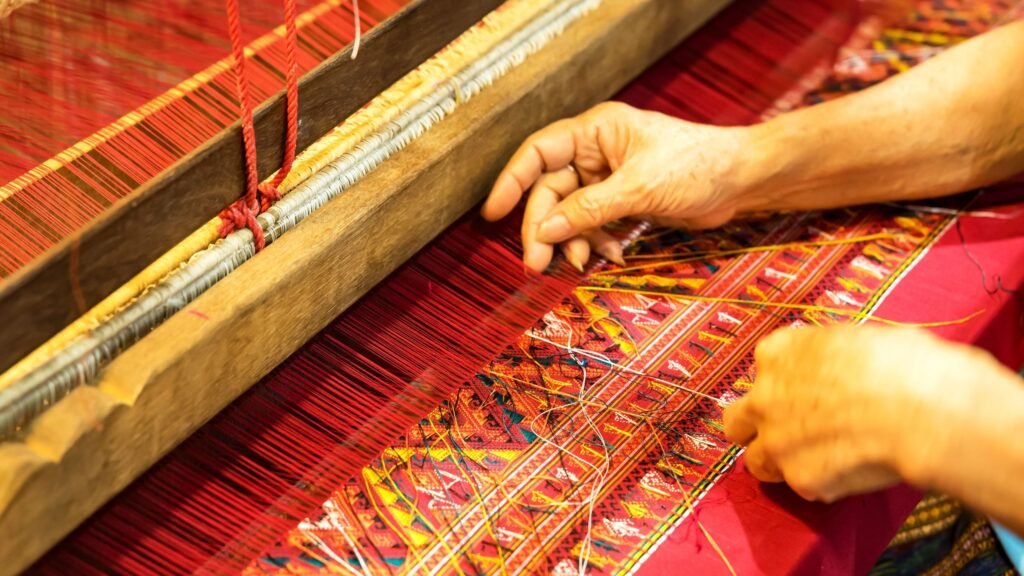
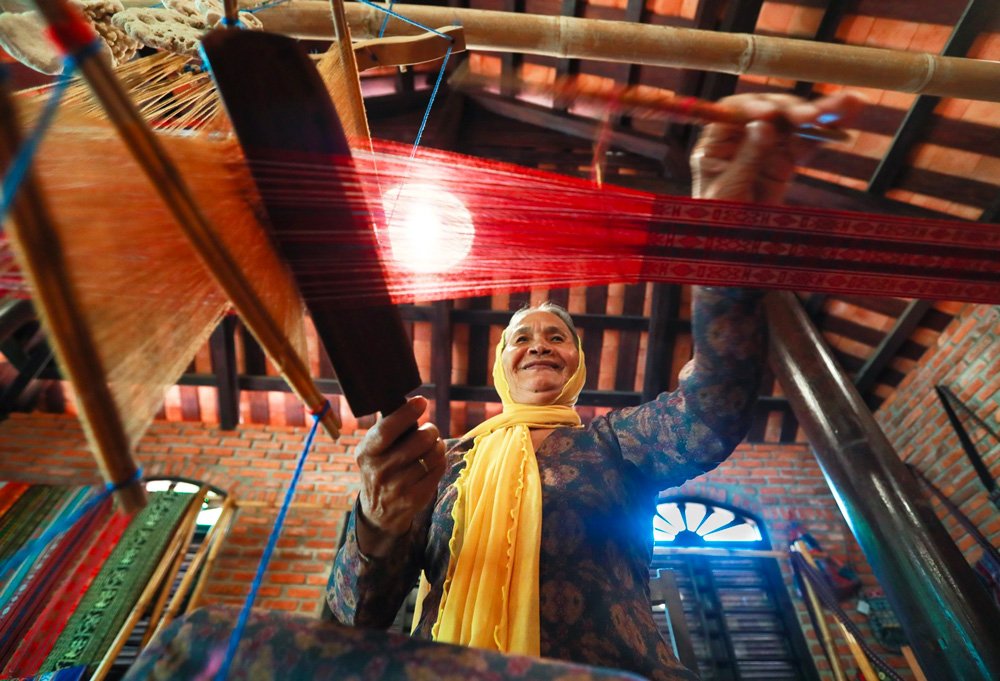
Minority textiles — indigo-dyed hemp, Thái brocade, bought directly from the woman who wove them.
Hoi An made-to-measure — a silk shirt or a jacket, worn for years, for a fraction of the European price.
A word about silk: the burnt-thread test settles it in three seconds. Silk smells of burnt horn and leaves a crumbly ash; polyester melts into a hard bead. Any honest seller will let you take a thread.
The price table
Orders of magnitude for a properly negotiated purchase, excluding airport shops.
Item
Reasonable price
Where to buy
Weight
Phu Quoc pepper, 100 g
5 – 15 €
Plantation, north of the island
Light
Da Lat arabica coffee, 1 kg
10 – 25 €
Da Lat roaster
1 kg
Robusta coffee, 1 kg
6 – 12 €
Everywhere
1 kg
Coffee filter phin in stainless steel
2 – 5 €
Markets
Light
Shan tuyet tea, 100 g
8 – 25 €
Ha Giang, Hanoi
Light
Lotus tea, 100 g
25 – 60 €
West Lake, Hanoi
Light
Van Phuc silk scarf
8 – 25 €
Van Phuc village
Light
Old ethnic embroidery
20 – 80 €
Bac Ha and Ha Giang markets
Light
Lacquer, small object
10 – 40 €
Hanoi, workshops
Fragile
Bat Trang ceramics
€3 – 30 per piece
Bat Trang village
Heavy, fragile
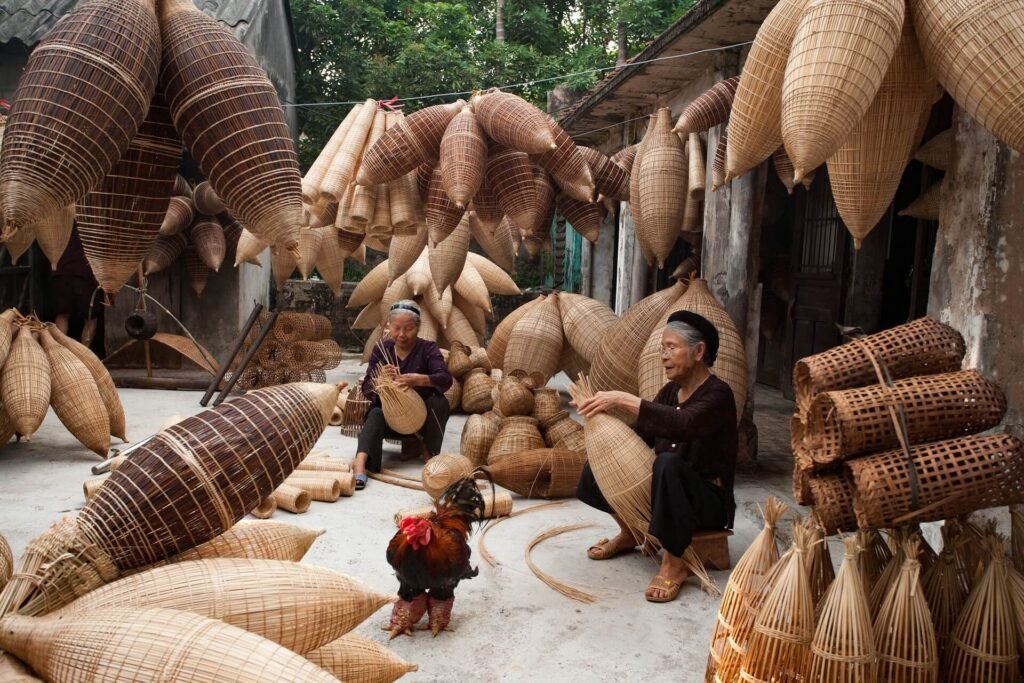
Bamboo basketry
3 – 20 €
Delta villages
Bulky, light
Conical hat
1 – 3 €
Everywhere
Bulky
Made-to-measure garment
15 – 400 €
Hoi An
Variable
Buying from the producer, and why it changes everything
The price difference
A silk scarf bought in Van Phuc, where weaving has gone on for twelve hundred years, costs two to three times less than the same one in a shop in Hanoi’s Old Quarter — and the money stays in the village.
The quality difference
It can be checked, and it is better to know how.
Product
The test
Silk
Burn a thread: real silk smells of burnt horn and crumbles; polyester melts into a hard ball.
Hand-woven brocade
The thread is irregular, the reverse is clean, plant dyes fade rather than change colour.
Fish sauce
The nitrogen degree on the label: 40 for a first press, 10 to 15 for industrial sauce.
Coffee
Very dark, oily coffee is robusta roasted with butter. Speciality arabica is lighter.
Lacquer
Count the layers on the edge: a good piece has ten to twenty, sanded between each.
What not to buy
Banned from import
Any product from protected species falls under the CITES convention and possessing it can lead to customs penalties when you get home: ivory, tortoiseshell, coral, big-cat and snake skins, dried seahorses, and spirits containing a whole animal. Yet these items are openly sold in some markets.
Civet coffee
The original artisanal production, from berries gathered in the wild, has been replaced by farming caged civets that are force-fed. We don’t offer it in any of our programmes.
“Antiques”
Exporting old objects is regulated in Vietnam, and the vast majority of pieces sold as such are artificially aged reproductions. Buy them for what they are, at the price of a reproduction.
Pearls and precious stones
Without expertise, it is impossible to judge. Phu Quoc’s pearl farms sell fairly, but at prices that are no bargain.
Carrying, shipping, declaring
Question
Answer
Liquids in hand luggage
100 ml maximum: fish sauce and spirits go in the hold, well packed
Foodstuffs
Coffee, tea, dry spices and dried fruit: allowed. Fresh fruit and meat: banned
Customs allowance
In the EU, €430 per adult for air travel from outside the EU; check your own country’s allowance
Shipping by post
Possible from the big cities, 3 to 6 weeks, €30 to €80 for 5 kg
Tax refund
VAT refund at the airport above a certain amount, on presentation of invoices
A practical tip for fish sauce, the most regretted souvenir when it hasn’t been packed properly: buy it in a sealed glass bottle, wrap it in two sealed freezer bags, then in clothes, in the middle of the suitcase. A leak in the hold makes the whole bag unusable.
What we bring home ourselves
If we had to keep just four: Phu Quoc pepper, because nothing at home matches it at this price; Cau Dat arabica coffee with a phinfilter, because the ritual can be repeated at home; a piece of old brocade bought at a mountain market, worth any decorative object; and dried rice paper, light, unbreakable, which lets you make fresh rolls again when you get back.Herbs can’t be brought home — but perilla and sawtooth coriander grow in pots in Europe, and that may be the best souvenir of all.
In short
Buy from the producer, pay a fair price, keep the receipts and leave room in your suitcase: the rest is easily sorted.
Coffee beans with a phin filter, tea, Phú Quốc pepper, a piece of authentic lacquer, Bát Tràng ceramics, a minority textile bought from the weaver, and Hoi An made-to-measure. These are the only purchases our travellers really use when they get back.
How do you avoid fake handicrafts?
Buy at the workshop rather than on the shopping street, and ask to see the making: a workshop that refuses probably doesn’t make anything. For silk, the burnt-thread test settles it in three seconds.
Are there things you are not allowed to bring back?
Yes: ivory, tortoiseshell, horn, skins and bones of wild animals, coral, dried seahorses — banned under the Washington Convention, with seizure and prosecution at stake. Real antiques are regulated, and counterfeit brands are penalised on arrival in Europe.
Should you bargain?
At markets yes, with a smile. Never in a craft workshop, a restaurant or a shop with price tags. And don’t ask a price without intending to buy, especially as the first customer of the day.
Can you have your purchases shipped?
Yes, serious workshops routinely do it by sea freight for bulky pieces. Allow six to ten weeks. We check the packaging and keep a record of the order.
What do customs rules say?
Allowances apply to travellers returning from outside the European Union, on the total value brought back, alcohol and tobacco included. Keep your invoices. As the rules change, check the amounts in force in your own country before you return.
What should you bring back from Vietnam?
Phu Quoc pepper, Da Lat arabica coffee with a phin filter, a piece of old brocade bought at a mountain market, and dried rice paper. Light, legal, and impossible to find at home at this price.
Can you bring fish sauce home by plane?
Yes, in the hold only — it is a liquid. Buy it in a sealed glass bottle and wrap it in two freezer bags and then clothes: a leak makes the whole bag unusable.
What is it forbidden to bring back?
Any product from protected species: ivory, tortoiseshell, coral, snakeskin, dried seahorses, spirits containing an animal. They are openly sold in some markets but fall under the CITES convention.
Putting it into practice
The tours where you experience what this article is about
Audience measurement. We would like to know which pages are useful to you, using Google Analytics. Nothing is stored without your consent, and you can change your mind at any time. Learn more

 Sea and islandsThe South and Phu Quoc — 10 daysSaigon — Cai Be — Can Tho — Chau Doc — Phu Quoc — Saigon10 days / 9 nightsfrom €1,590