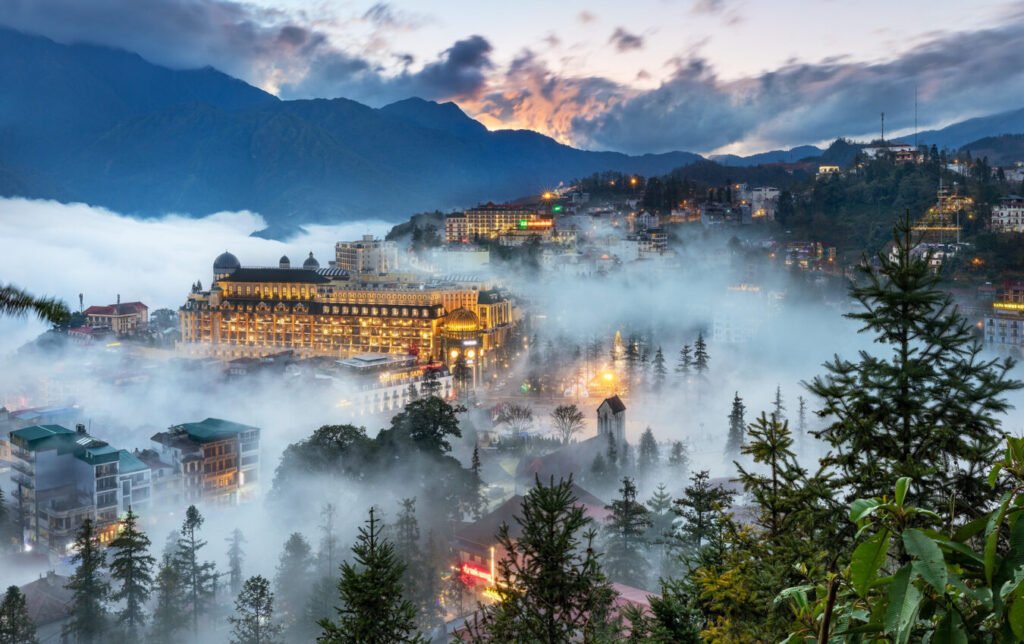
Sa Pa is the only stop in the North that we do not recommend by default. The town has been concreted over and the nearest villages are saturated. Yet, an hour’s walk away, the Muong Hoa valley remains one of the most beautiful landscapes in the country.
In brief
Best time
September–October for the golden rice fields, March–May for the flowers; mist from December to February
Getting there
Night train from Hanoi to Lao Cai then 1 h by road, or 5 h 30 by motorway
How long
Two nights, one of them in a village rather than in town
Combine with
Bac Ha and its Sunday market 2 h 30 away, Ha Giang, Mu Cang Chai over the pass
What Sa Pa has become
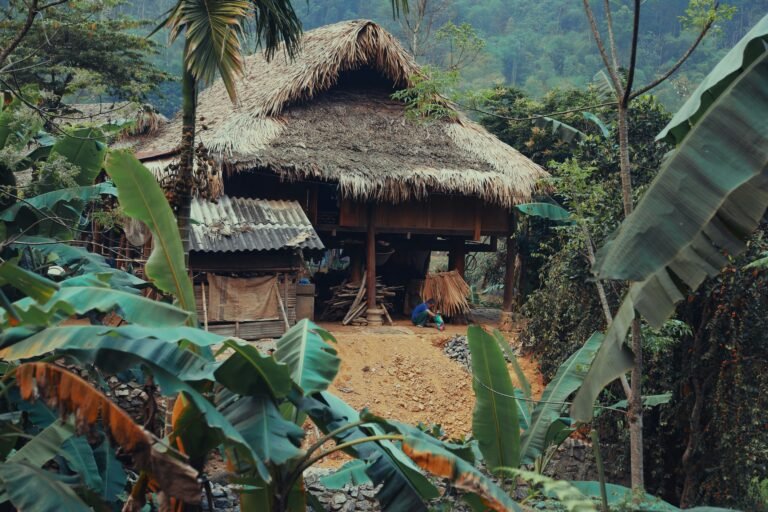
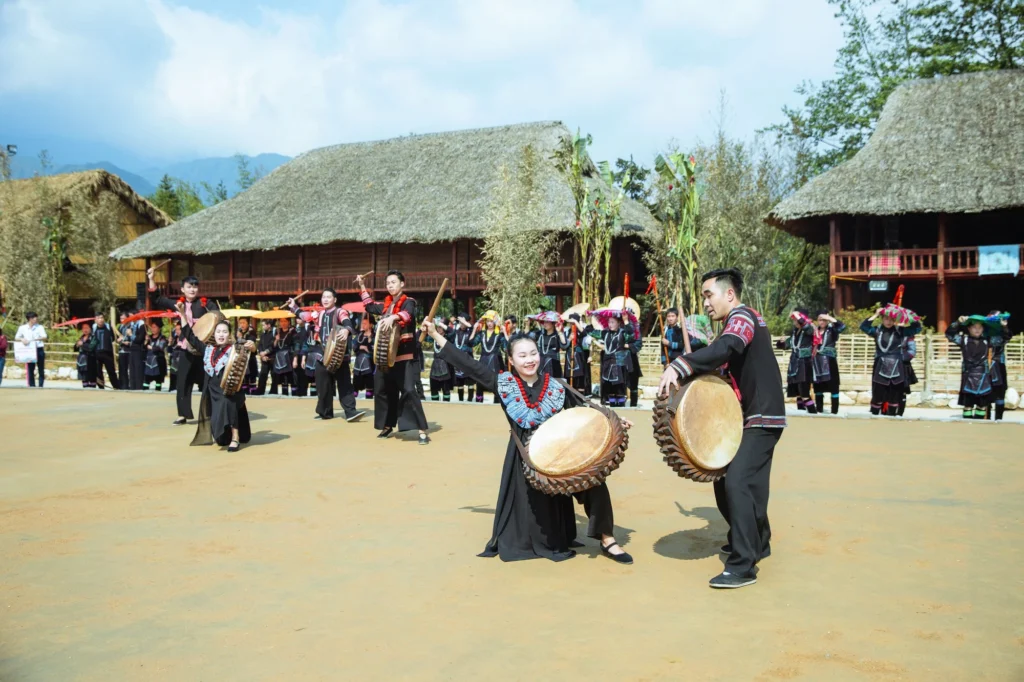
It needs saying from the start, because it is travellers’ first surprise: the town of Sa Pa is no longer the mountain resort of the 1990s. Since the motorway opened in 2014, it has filled with ten-storey hotels, karaoke bars and building sites. The centre is noisy and of no interest.What is worth the trip is next door: the valleys of Muong Hoa, Ta Van and Ban Ho, home to Black Hmong, Red Dao, Tay and Giay, with their terraces descending over a thousand metres. Our rule is simple: you don’t sleep in town, you sleep in a village.
You don’t sleep in the town of Sa Pa. You sleep in a village in the valley.
What is still worth the trip
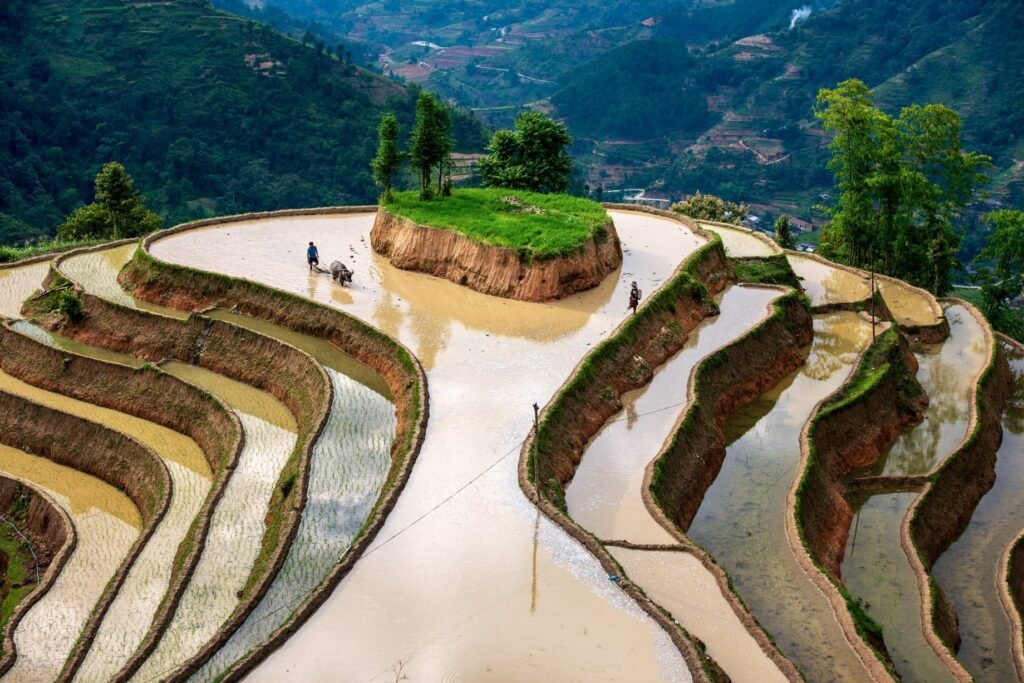
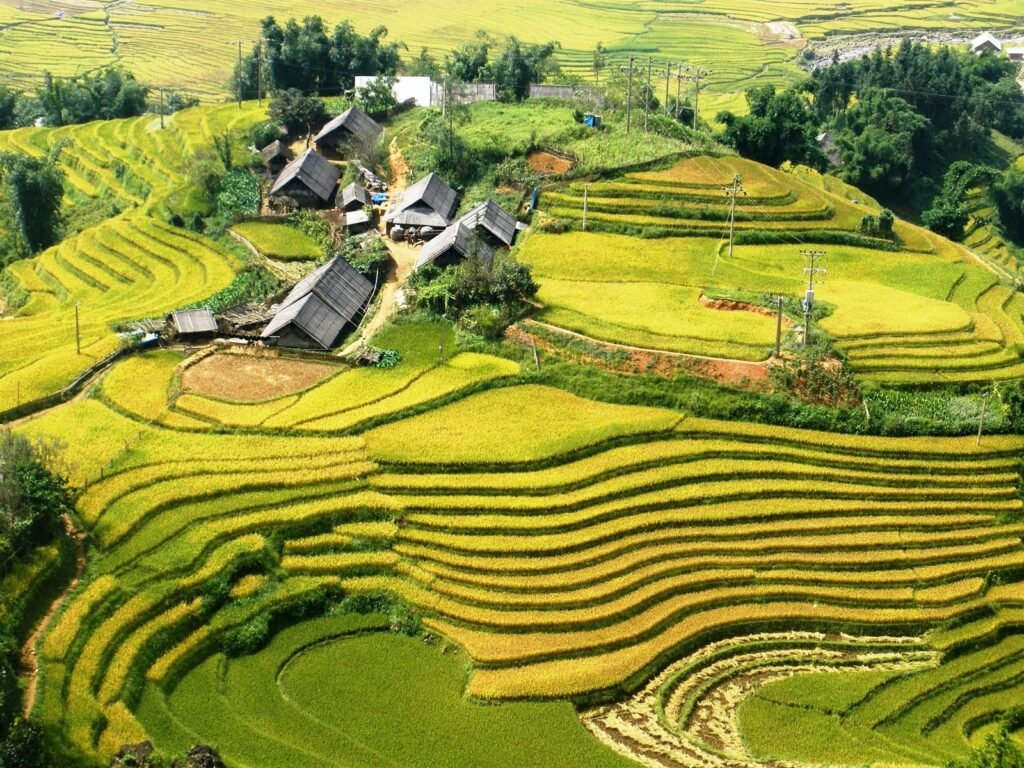
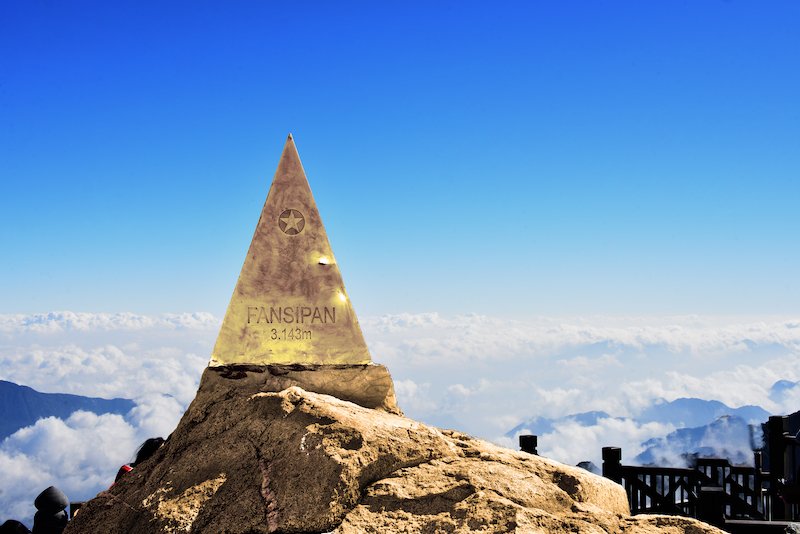
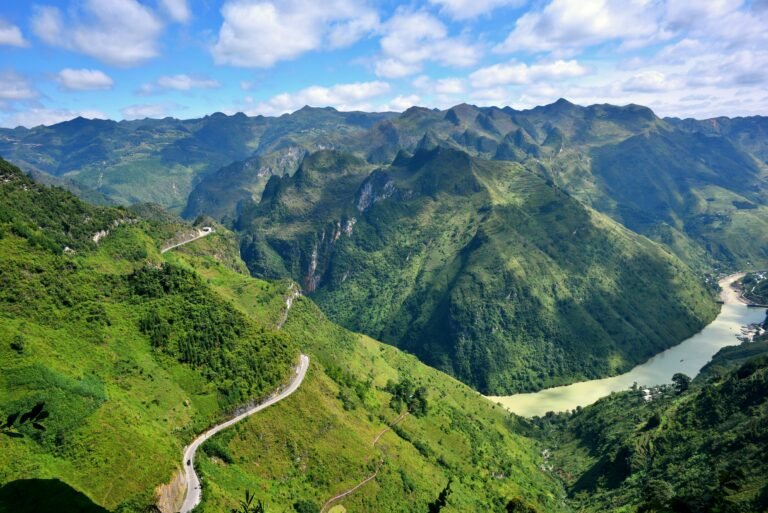
The Muong Hoa valley, over some twenty kilometres, offers one of the most beautiful farming landscapes in Asia: terraces stepped on both sides of the river, hamlets clinging to the slopes, buffaloes on the paddy dykes. You explore it on foot from one village to the next, in three to six hours depending on the route.The Muong Hoa rock carvings, more than two hundred boulders carved a thousand years ago with still-mysterious geometric patterns, can be seen by the path. And Fansipan, 3,143 metres, the highest peak in Indochina, is reached by cable car in twenty minutes — or on foot in two days, which is a real mountain climb.
Walking, and with whom
The classic hikes link Lao Chai, Ta Van, Giang Ta Chai and Ban Ho, along dirt paths between the rice fields. The elevation gain is real and mud is everywhere as soon as it has rained: closed shoes are essential.One thing matters more than the route: the guide. We work with Hmong and Dao guides from the villages you pass through, not with escorts from Hanoi. It makes all the difference — you go into people’s homes, you understand what grows, you know why one house has an altar and another doesn’t. It is also the only way to keep the money in the valley.
The vendors who follow the groups
As soon as you get out of the car, you will be approached by Hmong women in costume who will sometimes walk with you for hours before offering their embroidery. It is neither harassment nor a scam: it has become a real job for families whose land is no longer enough.The most honest way to handle it is to decide in advance: either you buy something from one person at the start of the walk — allow five to fifteen euros for a hand-finished piece — or you say no clearly and kindly from the outset. The attitude that annoys everyone is the “maybe later” repeated for three hours.
Sa Pa or Pu Luong?
If you want the highest terraces, the sheer power of the landscape and Fansipan, it is Sa Pa — sleeping in the valley. If you want the same thing but calmer, without the town or the vendors, four and a half hours from Hanoi instead of six, it is Pu Luong.Many of our travellers end up doing Pu Luong instead of Sa Pa, and practically none regret it. Sa Pa keeps the edge on one thing: ethnic diversity, which is genuinely greater.
When to come and how to get there
September and October for the golden rice fields, March to May for the flowers and the flooded terraces. From December to February, it is between zero and ten degrees, mist often drowns the valley and it sometimes snows on Fansipan. July–August are green but very rainy, with landslides.The night train to Lao Cai and then an hour by road remains our choice: you sleep as you travel and arrive in the early morning. The motorway takes five and a half hours from Hanoi.
The mistakes we see most often
Sleeping in town. It is the main cause of disappointment in Sa Pa.
Coming in January hoping for the landscapes: on some days the mist doesn’t lift.
Hiking in city trainers after rain.
Giving it only one night after the train: you leave without having walked.
The rice-field calendar, month by month
The question that decides everything in Sa Pa is not where to go but when. The terraces give only one harvest a year, and the landscape changes completely depending on the week you arrive.
Period
State of the terraces
Our view
May – June
Flooding, mirrors
The terraces reflect the sky, step after step. Less well known than the golden season, just as beautiful.
July – mid-August
Intense green
Spectacular but very rainy, with a risk of landslides.
Late August – mid-September
Golden, harvest
The window everyone is looking for. Three weeks, no more.
October – November
Fields harvested
Dry air, clear skies, excellent light for walking. No more golden rice.
December – February
Bare earth
0 to 10 °C, stubborn mist, snow possible on Fansipan. Avoid for the landscape.
March – April
Ploughing, blossom
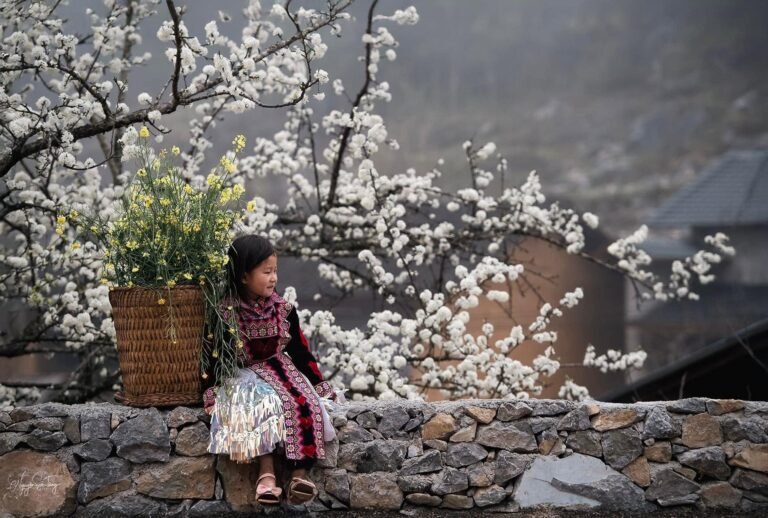
Plum and pear trees in blossom, mild temperatures. Our favourite time for hiking.
A useful comparison: in Mu Cang Chai, a hundred kilometres away, the harvest falls from mid-September to early October — two to three weeks later than in Sa Pa. If your dates are fixed for late September, Mu Cang Chai is where you should go.
Choosing your valley
Muong Hoa, the most spectacular
Twenty kilometres of terraces stepped on both sides of the river, with the villages of Lao Chai, Ta Van and Giang Ta Chai. It is the landscape you have seen in photos. It is also the busiest: set off early, or walk in the opposite direction to the groups.
Ta Phin, the calmest
Twelve kilometres to the north, a Red Dao valley with a ruined French monastery, built in 1942 and abandoned five years later. Fewer terraces, more tranquillity, and the Dao herbal baths — a wooden tub filled with a decoction of twenty to a hundred and twenty plants, heated to forty degrees.
Ban Ho, the lowest
Only six hundred metres above sea level, by a river where you can swim, among the Tay. It is the valley where we send those who come in winter: it is ten degrees warmer than Sa Pa and the mist rarely comes down.
Y Ty, for the initiated
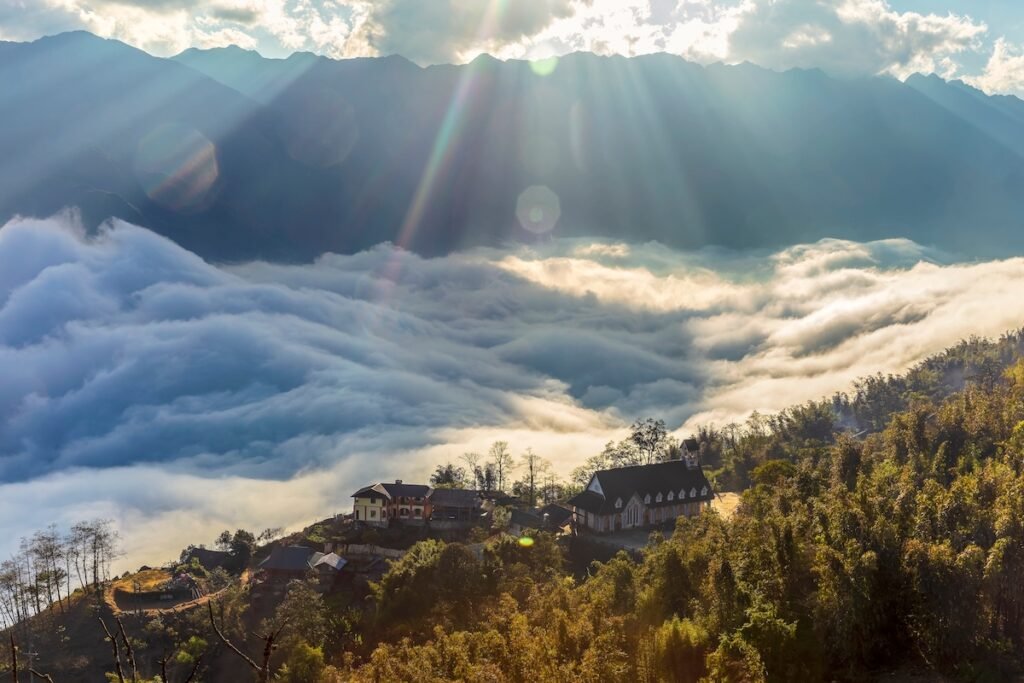
Seventy kilometres away, on the Chinese border, a very little-visited Ha Nhi region, known for its “seas of clouds” between September and April. The road is long and the accommodation basic; it is a choice for experienced travellers.
What a stay in Sa Pa costs
Per person per day, excluding transport from Hanoi.
Item
Simple
Comfortable
Night in a homestay
10 – 25 €
—
Night in an eco-lodge or hotel
—
60 – 200 €
Meal
3 – 6 €
12 – 25 €
Local guide for the day
20 – 35 €
—
Fansipan cable car
~ 30 €
—
Night train Hanoi – Lao Cai
25 – 60 €
—
The item that really counts is the guide. A Hmong or Dao guide from the village you pass through costs twenty to thirty-five euros a day, and that is what separates a walk through a landscape from a visit to people: you go into their homes, understand what grows, know why one family has an altar and another doesn’t. It is also the only way to keep the money in the valley.
Yes, provided you sleep in the valley and walk. If your programme includes only the town and a village accessible by car, we will steer you towards Pu Luong instead.
How many nights should you plan?
Two nights at least, three if you want to add an ethnic market or the climb up Fansipan. The road from Hanoi takes half a day each way.
Do you need to be sporty to hike?
No. Days cover five to twelve kilometres with moderate elevation gain, and we adapt the distance. Paths get slippery after rain: closed shoes are essential.
Can you stay with a local family?
Yes, in the hamlets of Muong Hoa. A simple room or family dormitory, shared bathroom, meals taken with the family. It is what we offer first.
When can you see the golden rice fields in Sa Pa?
From late August to mid-September, a three-week window. In Mu Cang Chai, a hundred kilometres away, the harvest falls two to three weeks later: if your dates are in late September, go there instead.
How much does a local guide cost in Sa Pa?
Twenty to thirty-five euros a day for a Hmong or Dao guide from the village you pass through. It is the item that most changes the quality of the stay, and the one that keeps the money local.
Is Sa Pa still worth the trip?
The town, no: it has filled with ten-storey hotels since 2014. The valleys, yes, without reservation. The rule is simple: you don’t sleep in town, you sleep in a village.
Audience measurement. We would like to know which pages are useful to you, using Google Analytics. Nothing is stored without your consent, and you can change your mind at any time. Learn more
 Off the beaten trackTrekking in the North-West — 11 daysHanoi — Mai Châu — Pu Luong — Nghia Lo — Mu Cang Chai — Thac Ba Lake — Hanoi11 days / 10 nightsfrom €1,650