Traditional Vietnamese medicine: herbs and cupping
Those red marks on people’s backs are neither injuries nor signs of violence. The hot-and-cool system, the herbal baths of the Red Dao, what can be brought home and what absolutely can’t.
In brief
Two systems
Modern and traditional medicine coexist without competing
The red marks
Cạo gió: coin rubbing, very common
In pharmacies
Dried plants, roots and decoctions prepared in front of you
Hot and cold
The logic behind most of the advice you will be given
Two medicines side by side
Vietnam practises two medicines in parallel, not in opposition. Thuốc tây, “Western medicine”, reigns in hospitals. Thuốc nam, “medicine of the South”, refers to the local pharmacopoeia, distinct from Chinese medicine, from which it drew without merging with it.The difference isn’t only geographical: Thuốc nam favours plants that grow locally, often fresh, and is passed down in families as much as in schools. Classical Chinese medicine, more learned and more codified, coexists with it in the big cities.One figure dominates this tradition: Tuệ Tĩnh, a 14th-century monk and physician who argued that the Vietnamese should treat themselves with Vietnamese plants. His maxim has become proverbial and you will see it quoted in traditional pharmacies.Today, the two systems cross paths without conflict: a public hospital may have a traditional medicine department, and a patient may take an antibiotic in the morning and a decoction in the evening.
What is cạo gió, those red marks on people’s backs?
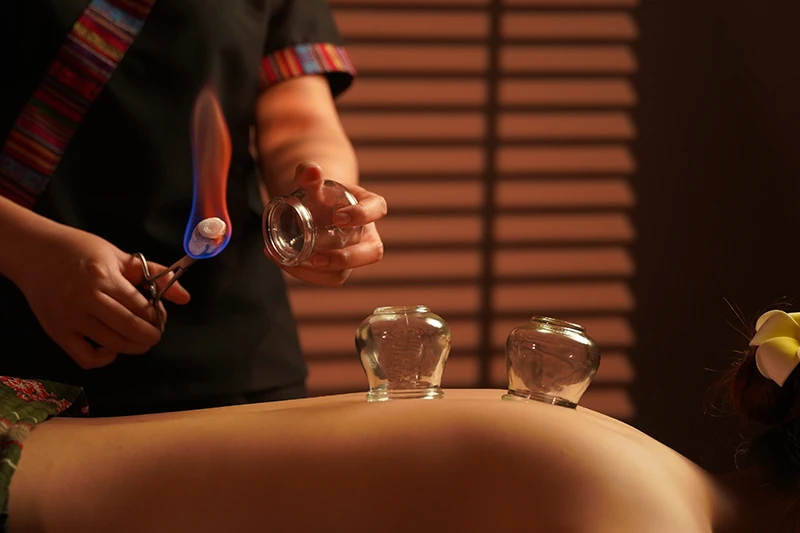
It is what intrigues travellers most: parallel red streaks on someone’s back or neck, sometimes very pronounced. They are neither injuries nor signs of violence. Cạo gió, literally “scraping the wind”, involves rubbing oiled skin with the edge of a coin or a spoon until these marks appear. The underlying idea is that of wind — a pathogen that enters the body and has to be drawn out. It is used against colds, mild fever, fatigue and motion sickness. Giác hơi, cupping, leaves regular purplish circles and follows the same logic. Both practices are extremely widespread, across all social classes, and perfectly ordinary for those who bear them.If you are offered one, know that it is a gesture of care. You can accept or decline with a smile; the marks take several days to fade.
What do you find in a traditional pharmacy?
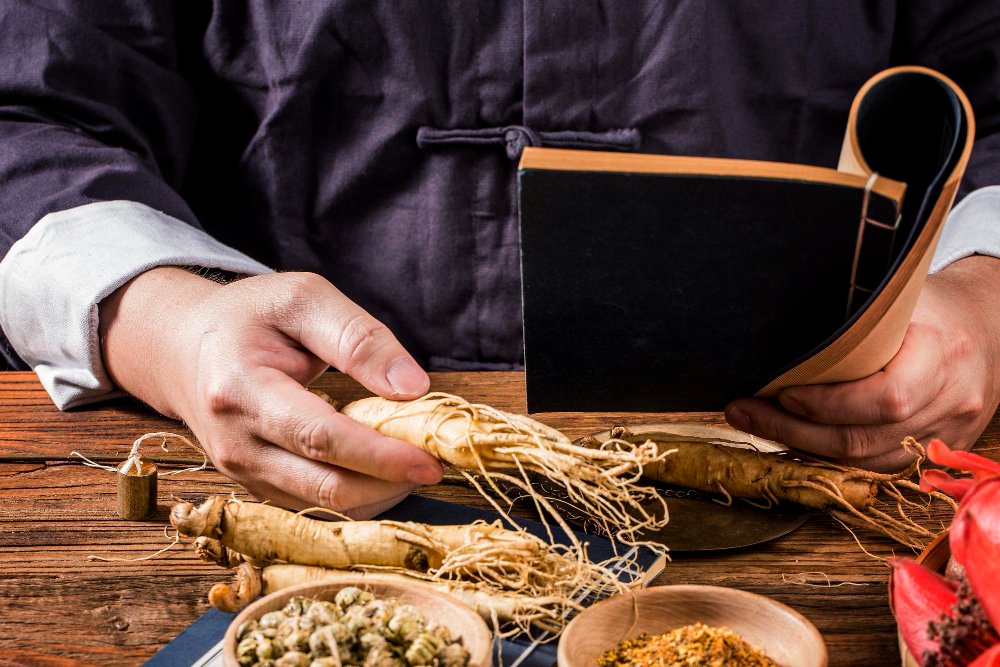
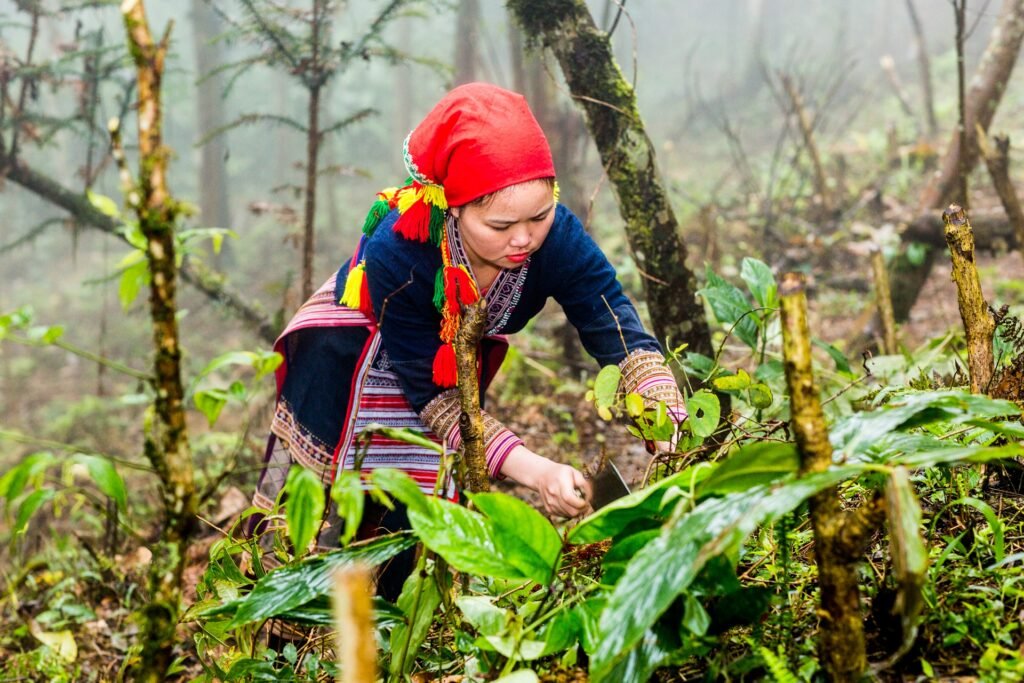
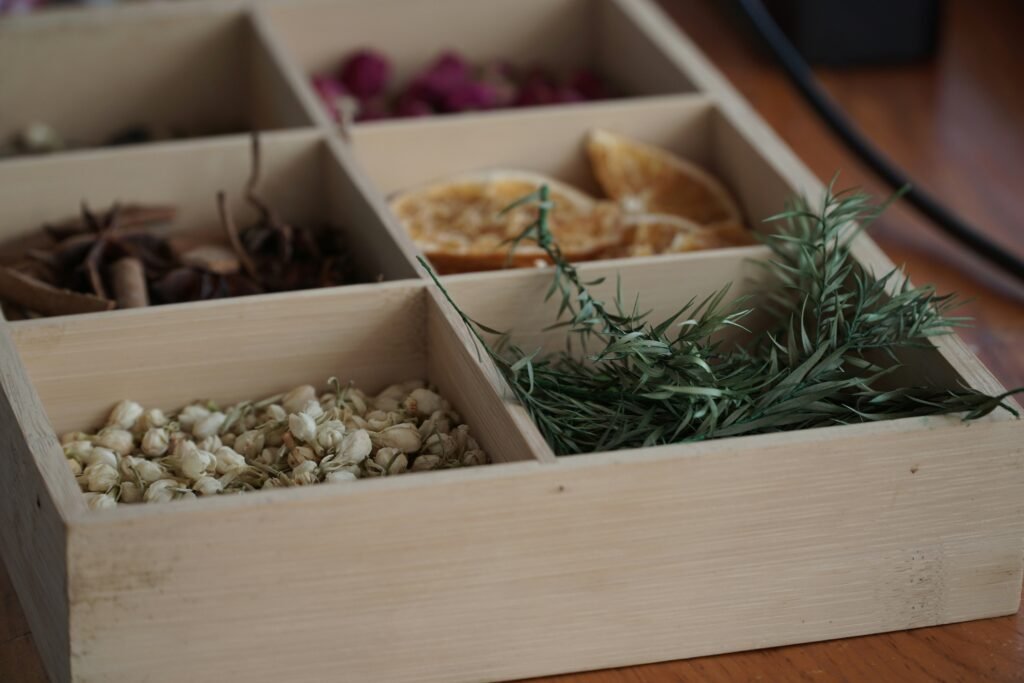
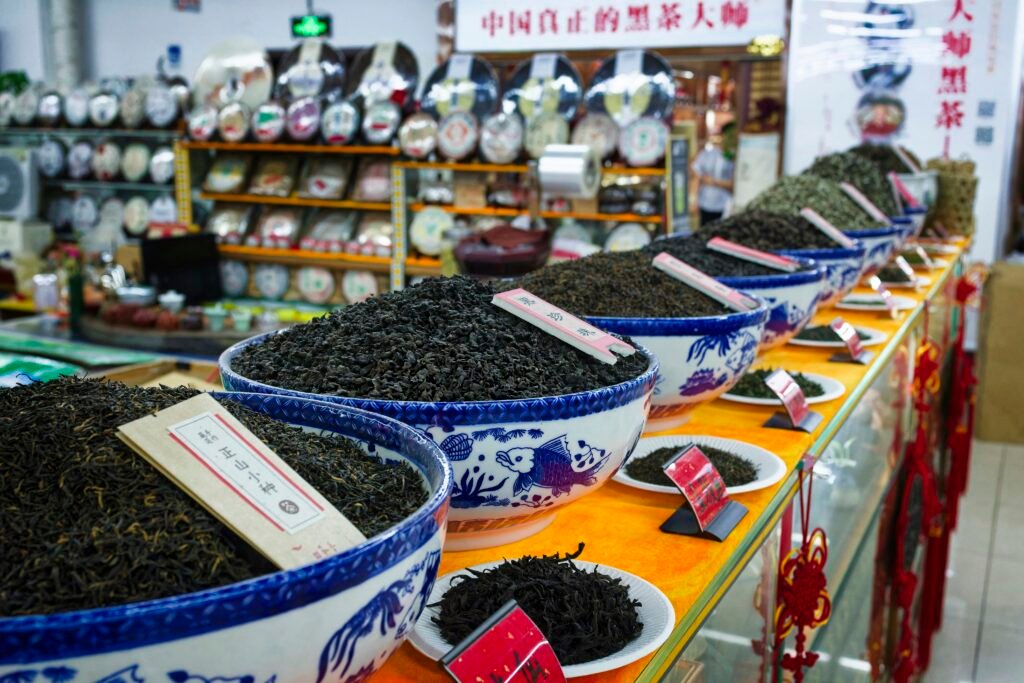
Herbalist streets are among the most photogenic places in the country: walls of wooden drawers labelled in Chinese characters, precision scales, sacks of roots and bark, a powerful smell. Hanoi and Saigon each have a whole quarter of them.You find cinnamon andstar anise — which also flavour phở —, liquorice, ginger, ginseng,Đà Lạt artichoke, and the famous Tiger Balm, an invention of the region and the local cure-all for headaches, insect bites and aching muscles. The herbal baths of the Red Dao deserve a special mention: a hundred or so species boiled together in a scalding wooden tub, which you sink into after a day’s walking in the mountains. It is one of the experiences our travellers enjoy most in Sa Pa and Hà Giang, and one of the cheapest.Two honest warnings. Snake wines and products made from wild animals fall under the trade in protected species: don’t buy them, and know that importing them is banned in Europe. And a traditional preparation does not replace medical treatment: talk to your doctor, especially if you are already on medication.
Those red marks on the back aren’t injuries. It is the wind being drawn out of the body.
Hot, cold, and why you will be told not to drink iced drinks
The key to the whole system lies in a pair: nóng and mát, hot and cool. These are not temperatures but properties attributed to foods and to states of the body.Durian, lychee, mango and beef are “hot”: eating too much causes spots and sore throats. Cucumber, watermelon, pomelo and duck are “cool”. A balanced meal is one in which the two offset each other, and it is a logic that really shapes family menus.Hence some disconcerting advice: you will be told not to drink anything ice-cold when you are hot, not to go out with wet hair, or not to sit right in front of a fan after exertion. These are rules of local common sense, not superstitions — and there is no harm in following them.You will often hear this grid applied to you: “you are too hot, eat some pomelo”. It is a form of care, and an excellent way into a conversation with your host.
Balms and green oils
Almost every Vietnamese family keeps a bottle of green oil, dầu gió, and a small tin of golden star balm. They are rubbed on the temples for a headache, on the stomach for stomach aches or under the nose for travel sickness. Their menthol and eucalyptus scent is one of the country’s familiar smells, even on buses and boats.
Food as medicine
Traditional medicine also goes through the plate. Ginger warms you up and treats colds, cháo rice porridge is given to the sick and convalescent, and some cooking herbs, such as mint or perilla, are known for their benefits. When you are tired or have a cold, your guide will probably suggest one of these grandmother’s remedies.
Acupuncture and massage
Acupuncture is practised in traditional medicine hospitals as well as private practices, often alongside modern medicine. Traditional massages, with oils or hot stones, are offered everywhere; choose a reputable establishment, recommended by your hotel or your guide.
Caution with remedies
Herbal teas and balms are harmless, but avoid preparations whose composition you do not know, and never replace a prescribed treatment with a traditional remedy. If you have a real health problem, see a doctor.
Bringing products home
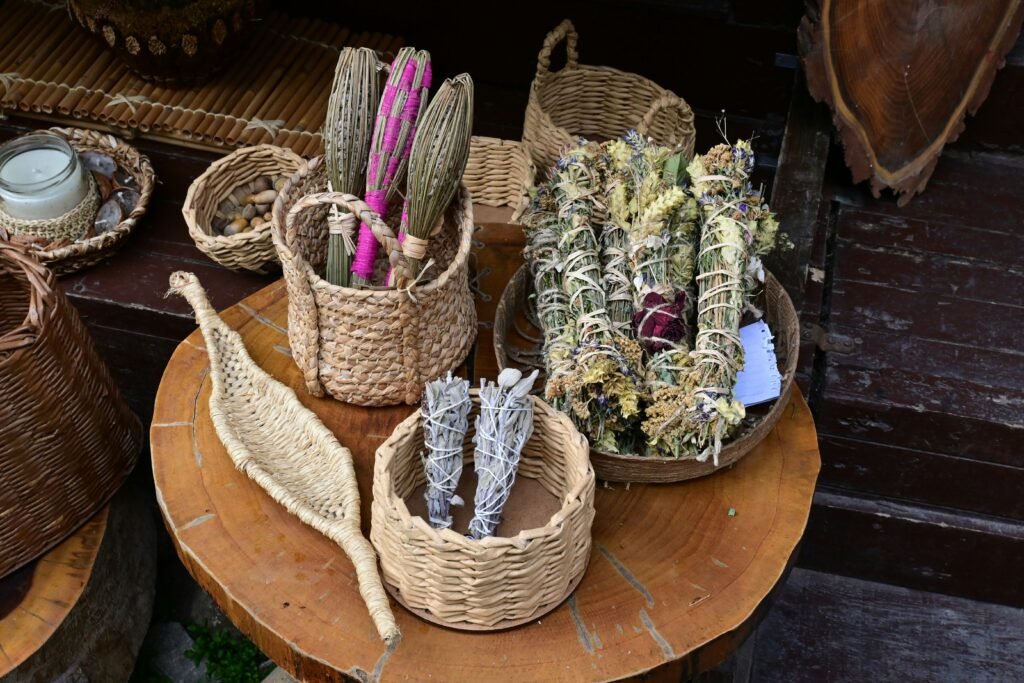
Packaged balms, oils and herbal teas can be brought home without difficulty. On the other hand, avoid animal products and loose dried plants: they may be banned on entry into Europe, and some come from protected species.
In short
Look, smell, taste a herbal tea, try a massage: traditional medicine is a fine gateway into everyday Vietnamese life, to be approached with curiosity and common sense.
Where to explore it while travelling
A herbalist street in Hanoi or Saigon, with your guide to translate the labels. An hour, free.
A Dao herbal bath in Sa Pa, Hà Giang or the northern valleys, after a day’s walking.
A mountain market, where medicinal plants often take up a whole aisle, sold by the women who picked them.
A traditional massage, firmer than a Thai one, often with warmed oils.
We are happy to add one of these experiences to an itinerary, especially the herbal bath after a hiking stage. Tell us when building the programme: it is arranged the day before, not on the day.
What are those red marks on Vietnamese people’s backs?
It is Cạo gió, “scraping the wind”: oiled skin is rubbed with the edge of a coin to draw out the “wind” held responsible for colds or fatigue. Cupping leaves purplish circles. They are neither injuries nor signs of violence.
Is traditional Vietnamese medicine the same as Chinese medicine?
No. Thuốc nam favours plants that grow locally, often fresh, and is passed down in families. Chinese medicine, more learned and codified, coexists with it in the big cities.
What is a Dao herbal bath?
A hundred or so species boiled together in a scalding wooden tub, which you sink into after a day’s walking. It is one of the experiences our travellers enjoy most in the North, and one of the cheapest.
Why am I told not to drink iced drinks?
Because of the nóng / mátgrid, hot and cool, which classifies foods and states of the body. Drinking ice-cold drinks when you are hot, going out with wet hair or sitting in front of a fan after exertion are discouraged. It is a form of care.
Can you bring traditional remedies home?
Common plants, spices and balms, yes. But never buy snake wine or products made from wild animals: it falls under the trade in protected species and importing it into Europe is banned.
Is it an alternative to medical treatment?
No, and we say so clearly: a traditional preparation does not replace treatment. Talk to your doctor, especially if you are already on medication, before trying anything on the spot.
Putting it into practice
The tours where you experience what this article is about
Audience measurement. We would like to know which pages are useful to you, using Google Analytics. Nothing is stored without your consent, and you can change your mind at any time. Learn more
 The essentialsVietnam in 15 daysHanoi — Pu Luong — Ninh Binh — Lan Ha Bay — Hue — Hoi An — Saigon — Mekong Delta15 days / 14 nightsfrom €2,070