J’aime le Vietnam

Formalities and health

Street food in Vietnam: ordering, choosing, finding your way

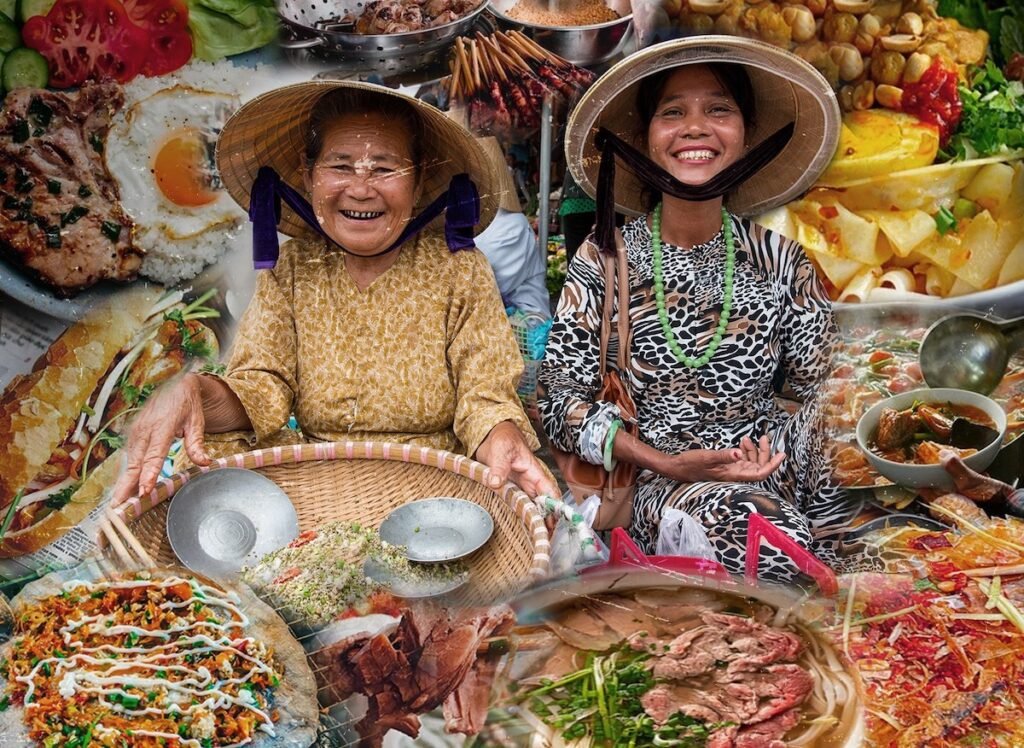
The best food in Vietnam isn’t eaten in restaurants. It is eaten sitting on a thirty-centimetre stool, in front of a stall that has served just one dish for thirty years — provided you know which one to choose and how to order.

In brief

The good sign
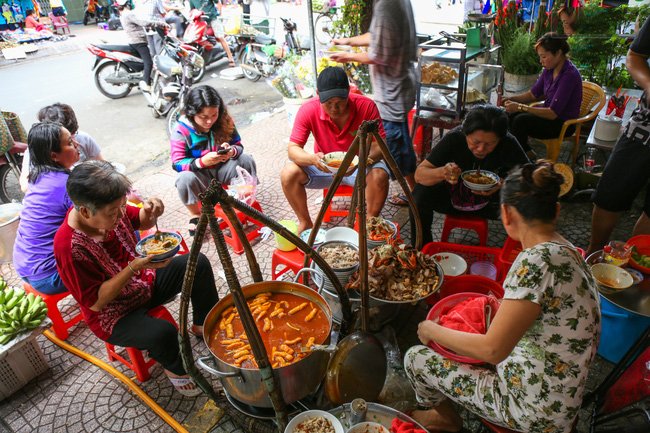
A stall that serves one dish, full of Vietnamese people, where the pot is boiling in front of you
Budget
€1 to €3 a dish, €0.20 a glass of draught beer
Timing matters
Pho for breakfast, never in the evening. Bún chả at lunchtime, never after 2pm
The only real risk
Lukewarm dishes left out in the open, not street food itself
Street food in Vietnam

Choosing your stall: the signs that don’t lie

What you seeWhat it tells you
Just one dish on the menuThe best signal. The owners buy just what they need every morning
Lots of Vietnamese customersFast stock turnover, so freshness
The pot boils in front of youContinuous cooking, no lukewarm food
A queue at lunchtimeThe best sign of all
Cylindrical ice cubes with a holeIndustrial ice, treated water
Long menu in four languagesRun: slow stock, average food, doubled prices
Lukewarm buffet in the open airThe only real health risk
Empty stall at peak timeThere is a reason
A useful reversal: in Vietnam, street food is often safer than the restaurant with tablecloths. The stall that sells two hundred bowls of phở between six and ten in the morning keeps no stock; the restaurant with an eighty-dish menu stores food.

The time makes the dish

It is the least known rule and the most useful. Each dish has its moment, and ordering it outside that window means eating it badly.
FlatWhenWhy
Phở6am – 10amThe broth has simmered overnight. By midday it is gone
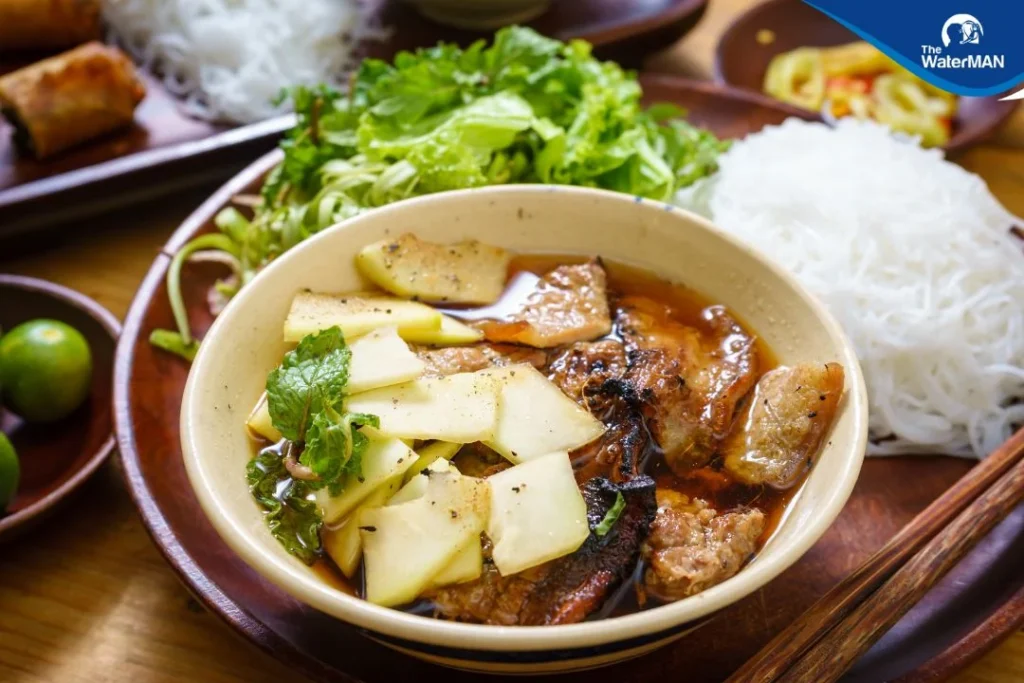
Bún chả11am – 2pmA lunch dish. The braziers go out afterwards
Bánh cuốn6am – 9amSteamed to order, at breakfast
Bánh mìAll dayBest in the morning, when the bread comes out
Cơm tấmMorning and lunchtime (South)Originally a workers’ breakfast
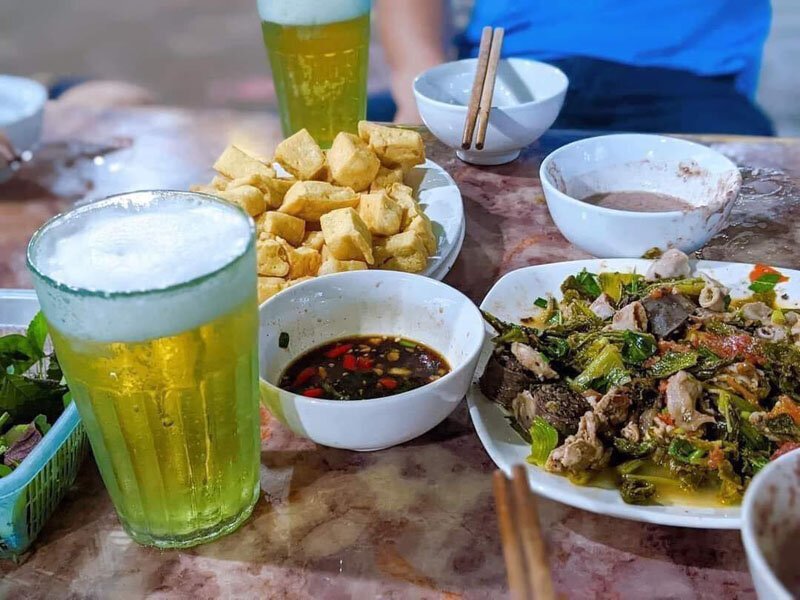
Bia hơi5pm – 9pmBrewed in the morning, unpasteurised, doesn’t keep
SeafoodEveningThe boats come in late afternoon
Night markets6pm – 11pmGrilled food, desserts, chè
Ordering a phở at eight in the evening in a tourist restaurant will get you a reconstituted broth. It is the main reason travellers come home saying the pho was better back home.
Street food — Eating street food in Vietnam

Ordering without speaking the language

The method that works

At a single-dish stall, there is nothing to order: you sit down, raise one or two fingers for the number of bowls, and you are served. It is as simple as that, which is why these places suit the solo traveller perfectly.

The five words that are enough

EnglishVietnamese
No chilliKhông cay
No meatKhông thịt
No iceKhông đá
It’s deliciousNgon quá
The billTính tiền

The dish isn’t finished when it is brought to you

This is what puzzles people most. Alongside, you will be brought a plate of herbs, lime, chilli, sometimes garlic in vinegar. It is up to you to tune the dish : Vietnamese cooking rests on the balance of five flavours, and the cook leaves you the finishing touch.For phở : taste the broth first, add afterwards. For bún chả : herbs first, noodles next, never the other way round.

Table manners

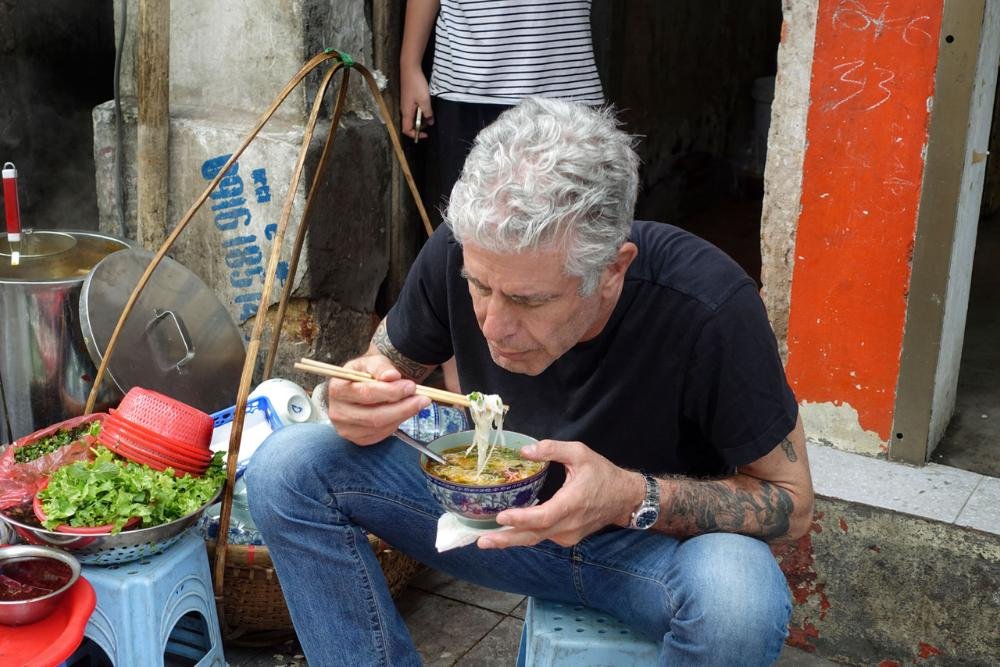
You hold the bowl close to your mouth, slurp the noodles without embarrassment, and rest your chopsticks across the bowl or on the chopstick rest. Never stick chopsticks upright in rice : that is how incense is offered to the dead, and the gesture makes everyone uncomfortable.
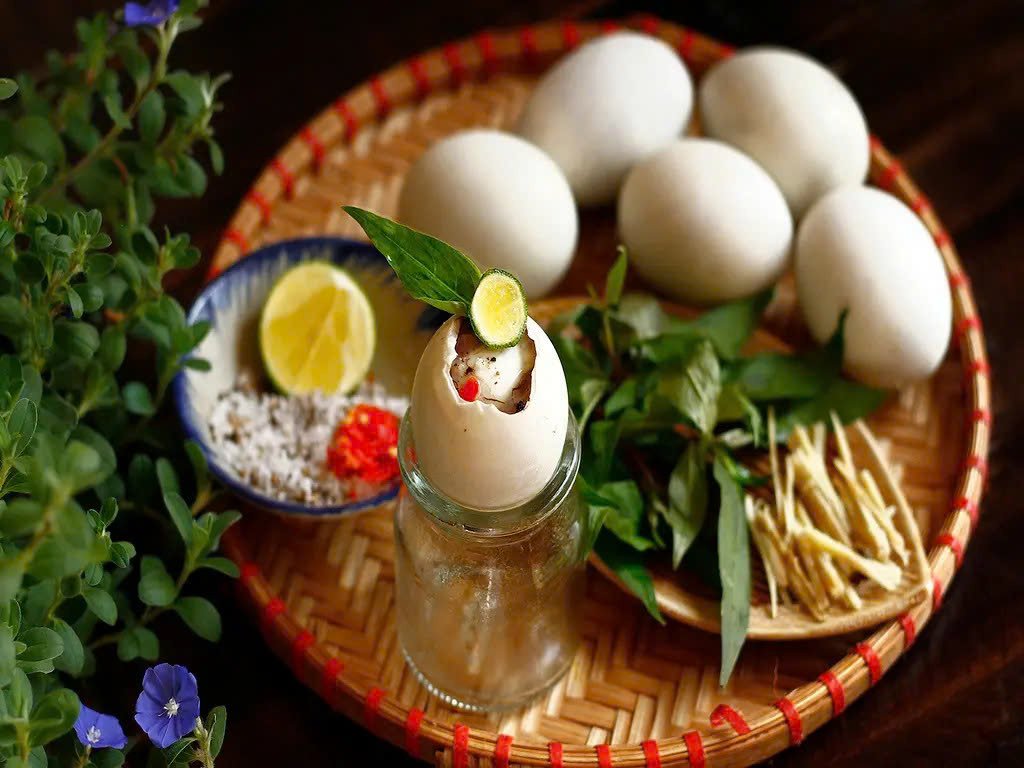
Fertilised duck eggs — Eating street food in Vietnam

Dishes to know, region by region

Vietnam has three cuisines, and ordering a Northern dish in the South often gets you a disappointing version.

In the North

FlatWhat it isPrice
Phở bòRice noodles, beef broth simmered overnight1,50 – 3 €
Bún chảCharcoal-grilled pork in a lukewarm sweet-and-sour broth2 – 3 €
Chả cáFish with turmeric and dill, cooked at the table7 – 12 €
Bánh cuốnSteamed rice rolls, spread with a ladle1,50 – 3 €
Cà phê trứngEgg coffee, invented in Hanoi in 19461 – 2 €

In the Centre

FlatWhat it isPrice
Bún bò HuếBeef soup with lemongrass and shrimp paste1,50 – 3 €
Bánh bèo, nậm, lọcLittle rice cakes in saucers or leaves€3 – €6 for twenty
Cao lầuHoi An’s own noodle, made with water from a Cham well1,50 – 3 €
Mì QuảngYellow turmeric noodles, little broth1,50 – 3 €

In the South

FlatWhat it isPrice
Cơm tấmBroken rice, grilled pork chop, egg1,50 – 3 €
Bánh mìBaguette, pâté, cold cuts, herbs, pickled vegetables0,80 – 2 €
Hủ tiếuSino-Cambodian noodle soup1,50 – 3 €
Bánh xèoTurmeric rice pancake, rolled in a leaf2 – 4 €
A guide to taste: the North is restrained and mildly spiced, the Centre decidedly hot, the South sweet — palm sugar goes into almost everything, including savoury dishes.

The real risk, and what it isn’t

What happens to travellers most often isn’t food poisoning but adjustment : a change of gut flora, chilli, oil, MSG. It lasts twenty-four to forty-eight hours and is treated with rest, water and plain rice.The real points to watch are specific and few.
To avoidWhy
Lukewarm buffets in the open airThe in-between temperature is the only real danger
Raw shellfishFilter feeders, sometimes in polluted water
Fruit already peeled in the sunAsk for it whole
Crushed ice in bags (rural areas)Uncertain origin, unlike cylindrical ice cubes
Salads washed in tap water in rural areasNo risk in the cities
See a doctor if your fever goes above 38.5°C, if symptoms last more than three days, or if there is blood in your stools. Otherwise, an antidiarrhoeal and rehydration salts are enough.
Vietnamese beer — Eating street food in Vietnam

Where to sit, and what it costs

The furniture of Vietnamese street food is a thirty-centimetre plastic stool. It stacks, comes out by the dozen at five in the afternoon, and vanishes before the municipal police come round. It is uncomfortable and it is where you eat best.
ItemPrice
A street dish1 – 3 €
A glass of bia hơi0,20 – 0,40 €
A filter coffee0,60 – 1,50 €
A fresh juice0,80 – 1,50 €
A whole day, three meals included8 – 15 €
Prices are rarely displayed but rarely inflated either: stalls live off their neighbourhood and a reputation is quickly lost. If you want to check, watch what the customers ahead of you pay, or ask bao nhiêu tiền? before you sit down.
Bún chả — Eating street food in Vietnam

The best way in

The first stall is the hardest: you don’t know where to sit, what to say, or whether you are in the way. Two formulas solve this in one evening.The scooter food tour, in the evening, riding pillion behind a guide, with four to six stops in different neighbourhoods. Three to four hours, forty to seventy euros. It is the activity our travellers mention most when they get home, and its real benefit isn’t the list of dishes: it is that afterwards you will walk into anywhere on your own.The cooking class, which starts at the market with choosing the ingredients. Three hours, and you will be able to recognise twenty or so herbs that have no name in English.Do one of the two on the first or second day, not the last. The rest of the trip benefits.

Recommended tour

The trip that goes with this article

A question?

A question about this stop?

Write to us on WhatsApp; you’ll get a reply the same day.

Request a quote →

All our practical guides

All our practical guides

See the practical information →

Frequently asked questions

Is it dangerous to eat street food in Vietnam?

No, and it is often safer than a restaurant with a long menu: a stall that sells two hundred bowls a morning keeps no stock. The only real risk is the lukewarm buffet left out in the open.

How do you choose a good stall?

Just one dish on the menu, lots of Vietnamese people eating, the pot boiling in front of you, and a queue at lunchtime. Avoid long menus in four languages.

What time should you eat pho?

Between six and ten in the morning. The broth has simmered overnight; by midday it has run out and in the evening you will be served a reconstituted version. That is why some travellers find pho better back home.

How much does a street meal cost?

One to three euros a dish, twenty to forty cents a glass of bia hơi. A whole day with three meals comes to between eight and fifteen euros.

Is the ice safe?

Yes for the cylindrical ice cubes with a hole through them, which come from a factory and treated water. Be careful with crushed ice in bags, common in rural areas.

Why am I brought herbs alongside my dish?

Because the dish isn’t finished: Vietnamese cooking rests on the balance of five flavours and the cook leaves you the finishing touch. Taste the broth first, add afterwards.

Are there gestures to avoid at the table?

Never stick chopsticks upright in rice: that is how incense is offered to the dead. Rest them across the bowl.

How do you pluck up the courage to try a stall the first time?

Take a scooter food tour or a cooking class on the first or second day. Afterwards you will walk into anywhere on your own, and the rest of the trip benefits.

Putting it into practice

The tours where you experience what this article is about

Culture & food

Flavours of Vietnam — 10 days

Goes through Hue and Hoi An

Hanoi — Bat Trang — Hue — Hoi An — Saigon — Cai Be

10 daysfrom €1,450

See the programme →

The essentials

Vietnam in 10 days

Goes through Hue and Hoi An

Hanoi — Ninh Binh — Lan Ha Bay — Hue — Hoi An — Saigon

10 daysfrom €1,500

See the programme →

The essentials

Essential Vietnam — 12 days

Goes through Hue and Hoi An

Hanoi — Ninh Binh — Lan Ha Bay — Hue — Hoi An — Saigon — Mekong Delta

12 daysfrom €1,740

See the programme →

See our 14 tours →

A quote costed line by line, free

Tell us your wishes and your dates: a French-speaking adviser based in Hanoi replies within 24 working hours, with no obligation.

Scroll to Top
Search