Safety in Vietnam: the real risks and the scams to know about
Vietnam is one of the safest countries in Asia. The real risks are the roads, bag snatching and a few well-honed scams: here is how to recognise and avoid them.
In brief
Risk level
Low for travellers
The real danger
Traffic
Emergencies
113 police, 114 fire, 115 medical
Essential
Insurance covering medical costs and repatriation
A safe country, with its ordinary pitfalls
Vietnam is one of the safest countries in Asia for travellers. Violent crime against tourists is rare, and you can walk around cities in the evening without worry. The real risks lie elsewhere: traffic first, petty theft next, and a handful of well-honed scams in tourist districts. None of this is hard to avoid once you know about it.
The real danger: the road
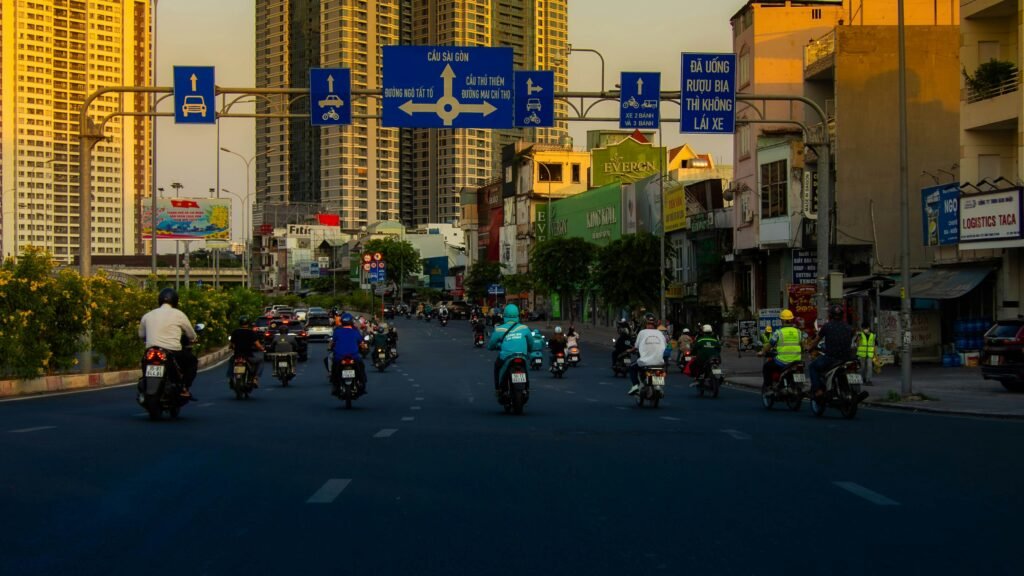
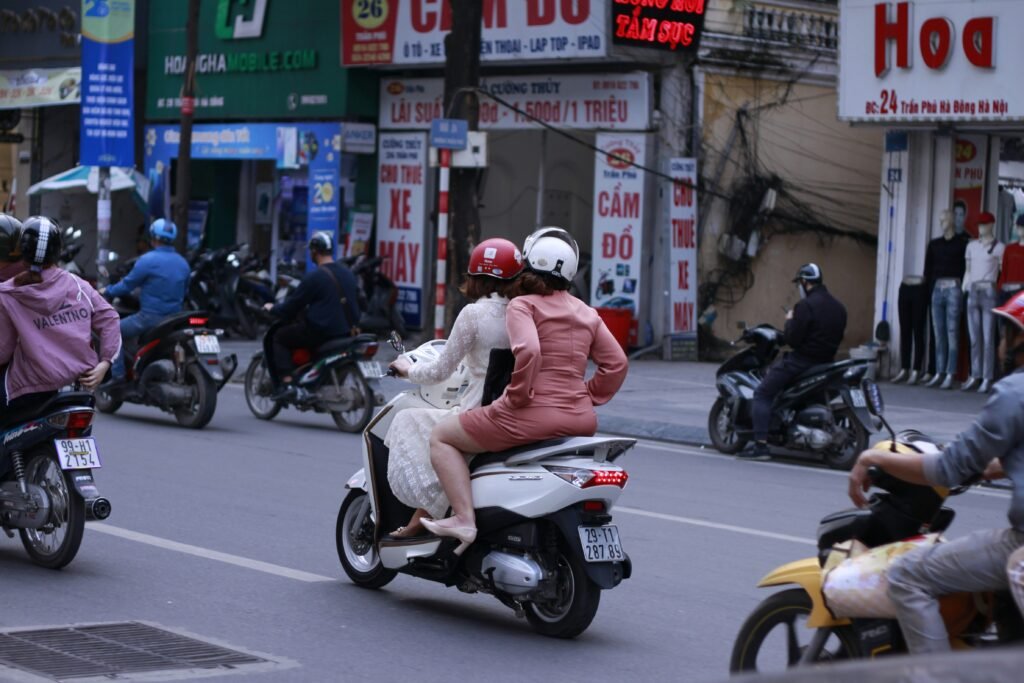
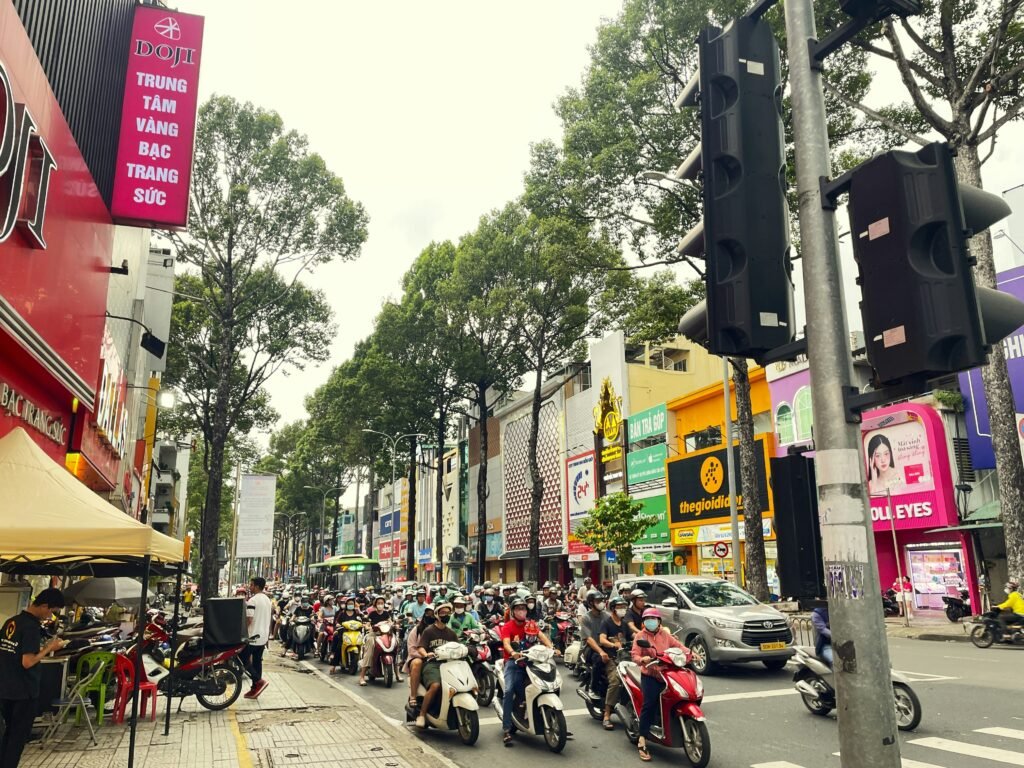
Traffic is the number one risk for a traveller in Vietnam, far ahead of everything else. To cross a street, walk at a steady pace, without running or stepping back suddenly: scooters go round you as long as they can anticipate your path. Look both ways, even in a one-way street.Don’t rent a scooter without a licence valid in Vietnam: in an accident, your insurance wouldn’t cover you. If you ride on the back of a two-wheeler, insist on a helmet.
Bag snatching
In the big cities, especially Saigon, thieves on scooters sometimes snatch a phone or bag as they pass. Hold your phone on the wall side of the pavement, don’t leave it on a pavement café table by the road, and wear your bag across your body, on the side away from the traffic. Keep a copy of your passport and leave the original in the hotel safe when you don’t need it.
The most common scams
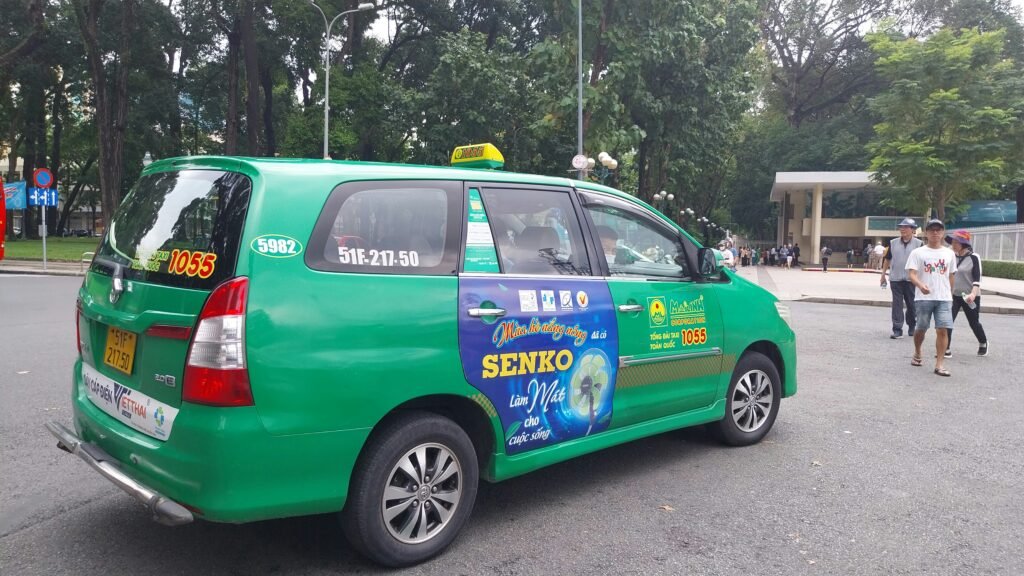
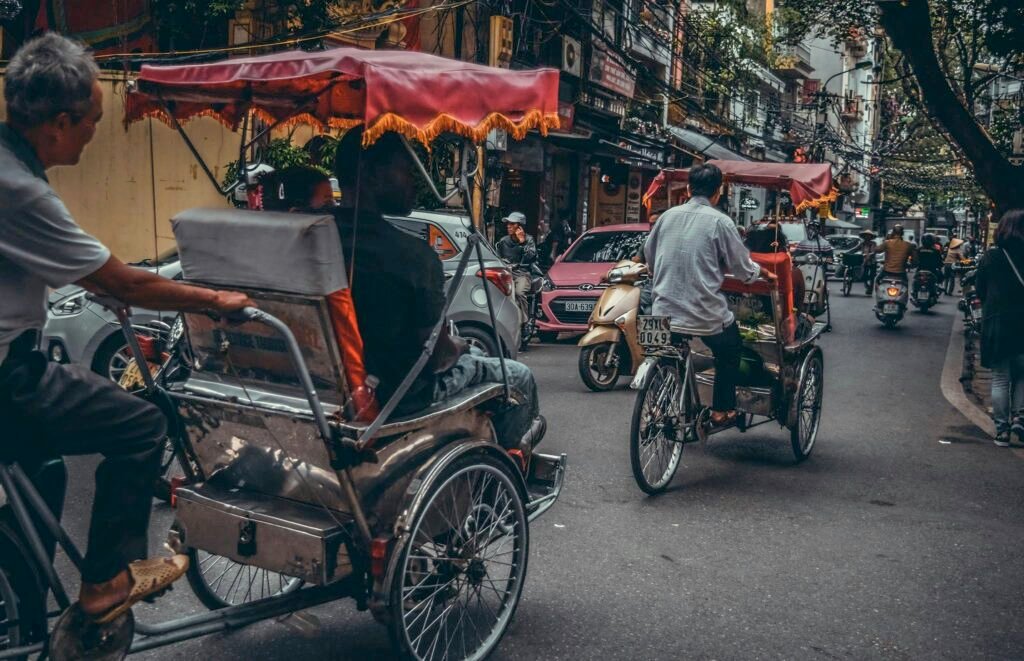
The rigged taxi meter. Use ride-hailing apps, which show the price before the ride, or reputable taxi companies your hotel can call. At the airport, use the official queue or your arranged transfer.The cyclo with no agreed price. A cyclo ride is pleasant; the price is fixed before you get in, for the duration and per person, not on arrival.The shoulder-pole vendor. A vendor offers to let you pose for a photo with her shoulder pole, then asks a high price for the photo or for fruit. If you are tempted, ask the price first.The shoeshiner. He starts polishing or gluing a sole without asking, then demands a sum. A firm, smiling “no” at the start is enough.Change on large notes. The 500,000 dong note and the 20,000 note are similar in colour. Count your notes when paying and receiving change, without letting yourself be rushed.Fake e-visa sites. They copy the official form and charge two to three times the price. The only official portal is evisa.gov.vn.
Fraudulent calls and messages
As elsewhere, scammers pose as the police, a bank or an official service, by phone or message, and ask for a payment or codes. No authority will ask you for money by phone. Hang up, and call your agency or hotel if in doubt.
Women travelling alone
Vietnam is a destination where women travel alone without any particular difficulty. The precautions are those of any big city: avoid deserted streets late at night, watch your drink in bars in nightlife districts, and prefer a traceable ride-hailing car to a taxi hailed in the street after midnight.
Useful numbers and insurance
The Vietnamese emergency numbers are 113 for the police, 114 for the fire brigade and 115 for medical emergencies; operators rarely speak French or English. In practice, call your guide, hotel or agency first, and your insurer’s assistance line for a medical problem: they direct you to the right hospital and advance the costs.Travel insurance covering medical costs and repatriation is essential: the good international hospitals in Hanoi and Saigon are expensive, and home health systems such as the French Sécurité sociale only reimburse a small part of treatment abroad.
Health: the risks that really matter
The most common health problems among travellers are minor: stomach upsets in the first days, heatstroke, mosquito bites. Drink bottled water, not tap water; eat hot food in busy places; protect yourself from mosquitoes in the evening, as dengue is present throughout the country. Bring a small basic kit with your usual medication and prescriptions, and don’t buy medicines on the street: counterfeits exist.
Natural disasters: typhoons and floods
From July to November, typhoons can hit the North and then the Centre. The authorities then suspend sailings and sometimes certain flights, often for a day or two. That isn’t a reason to avoid these months, but a reason to keep a spare day in the programme and follow local instructions. The Centre, around Hue and Hoi An, also floods in October and November; we then adapt the order of the stops.
Taxis and apps
Taxi scams have decreased considerably since the arrival of booking apps, which show the price in advance. If you take a taxi in the street, choose a large company, check that the meter is running and have small notes ready. On our tours, journeys are made with your driver, and the question only arises on free evenings.
Swimming in the sea
On the central coast, from Da Nang to Quy Nhon, beaches facing the South China Sea can have strong currents, especially from October to March when the swell rises. Swim on lifeguarded beaches, respect the flags and avoid swimming alone or after a meal with drinks. If a current carries you out, swim parallel to the beach rather than against it.
Valuables and documents
Keep your passport in the hotel safe and a copy on you. Do not leave your phone on a table at a pavement café, and carry your bag on the side away from the road. These simple precautions are enough to avoid most problems.
Crossing the street
It is the traveller’s first challenge in Hanoi or Saigon. Walk at a steady pace, without running or stopping suddenly, while looking at the drivers: they are the ones who go around you. At first, cross next to a local or your guide.
Staying reachable
A local SIM card or an eSIM, bought on arrival or before departure, lets you call your guide, our team or the emergency services at any time, and use transport apps. Also note our emergency number on paper, in case your phone is stolen or runs out of battery. Finally, share your itinerary with someone close to you in France: it is a simple precaution that reassures everyone.
What changes when you travel with a guide
Most of these situations disappear by themselves when you travel with a guide and a driver: no taxi to negotiate, no price to guess, someone who speaks the language if there is a problem. It isn’t the main reason to travel accompanied, but it is a real comfort, especially in the first days.
No. It is one of the safest countries in Asia for travellers. The main risk is traffic, then bag snatching in the big cities.
What are the most common scams?
The rigged taxi meter, the cyclo with no agreed price, the charged-for shoulder-pole photo, confusion between notes, and fake e-visa sites.
What are the emergency numbers?
113 for the police, 114 for the fire brigade, 115 for medical emergencies. In practice, call your guide, your hotel or your insurer’s assistance line first.
Can a woman travel alone in Vietnam?
Yes, without any particular difficulty, with the usual precautions of a big city at night.
Putting it into practice
The tours where you experience what this article is about
Audience measurement. We would like to know which pages are useful to you, using Google Analytics. Nothing is stored without your consent, and you can change your mind at any time. Learn more

 The essentialsVietnam in 15 daysHanoi — Pu Luong — Ninh Binh — Lan Ha Bay — Hue — Hoi An — Saigon — Mekong Delta15 days / 14 nightsfrom €2,070