J’aime le Vietnam

Getting around

Travelling in Vietnam with reduced mobility: what is possible, what is not

Vietnam isn’t an accessible country, and no honest article can claim otherwise. It is, however, a country where there are always four arms ready to carry you, and where a well-planned trip remains entirely possible — provided you know where the real obstacles are.

In brief

The real obstacle
The pavements, not the sites: cluttered, high, without dropped kerbs, taken over by scooters
What works well
Recent international hotels, private vehicles, airports, Halong Bay
What doesn’t work
Trains, public buses, Sapa, caves, most old pagodas
Budget
Allow 30 to 50% more than a standard tour, mainly for transport
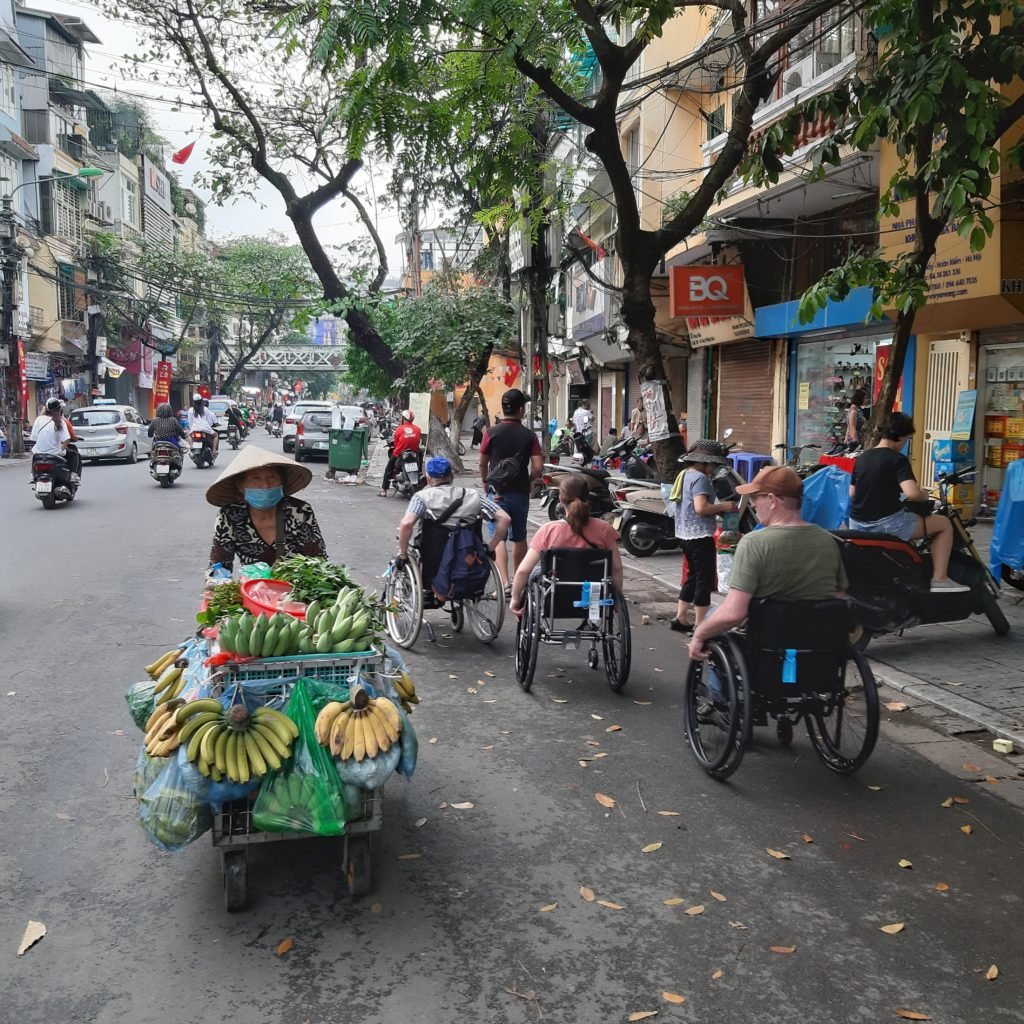
Hanoi — Travelling in Vietnam with reduced mobility

The real obstacle isn’t the one you think

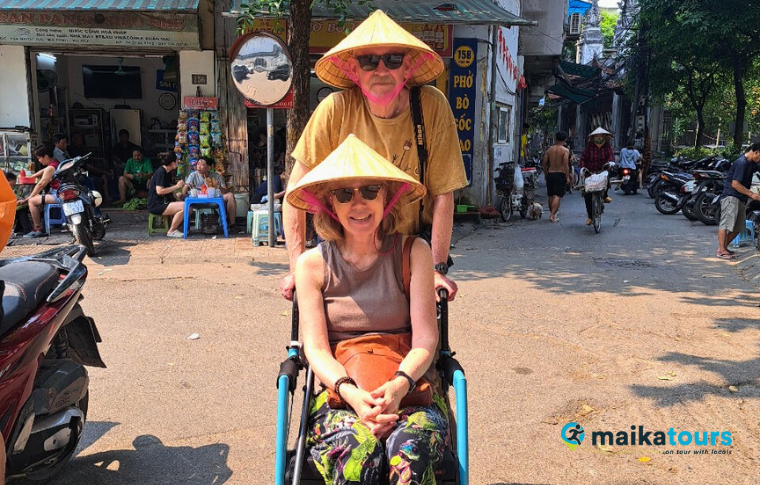
Travellers plan their stay wondering whether a given temple has steps. The right question lies elsewhere: it is the journey between the car and the door that is the problem, not the monument.The Vietnamese pavement isn’t a pedestrian space. It serves as scooter parking, kitchen, living room, workshop. It is often fifteen to twenty-five centimetres high, without dropped kerbs, with an uneven surface, and it stops without warning. A wheelchair user therefore travels on the road, in the traffic.
ObstacleSeverityWorkaround
Cluttered, high pavementsHighPrivate car as close as possible, always with a companion
Crossing the streetHighAlways accompanied, moving at a steady speed
Steps at shop entrancesModerateRamps rare, immediate human help
Accessible toiletsHighAlmost only in hotels and airports
Historic sitesVariableSome yes, many no — see below
A real upside: help is immediate and free of awkwardness. In Vietnam, four people will lift a wheelchair without being asked, and nobody finds it embarrassing. Travellers with reduced mobility who come back delighted almost all mention this.

Transport, one by one

ModeAccessible?Detail
Private car with driverYesThe backbone of the trip. A people carrier allows a seated transfer
Domestic flightsYesAssistance on request 48 hrs ahead, wheelchair carried free in the hold, recent step-free airports
TrainNoSteep steps, 50 cm corridors, triple-tier bunks, inaccessible toilets
Public buses and night busesNoRule out
Boat in Halong BayOften yesLarge recent junks have an accessible main deck; boarding is negotiated
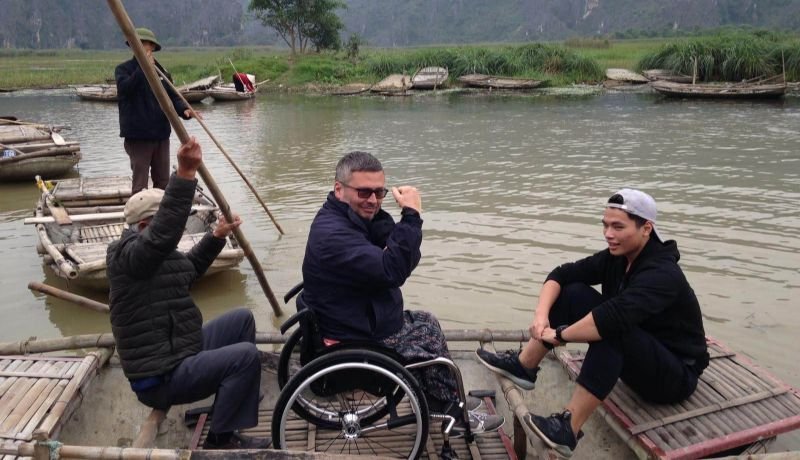
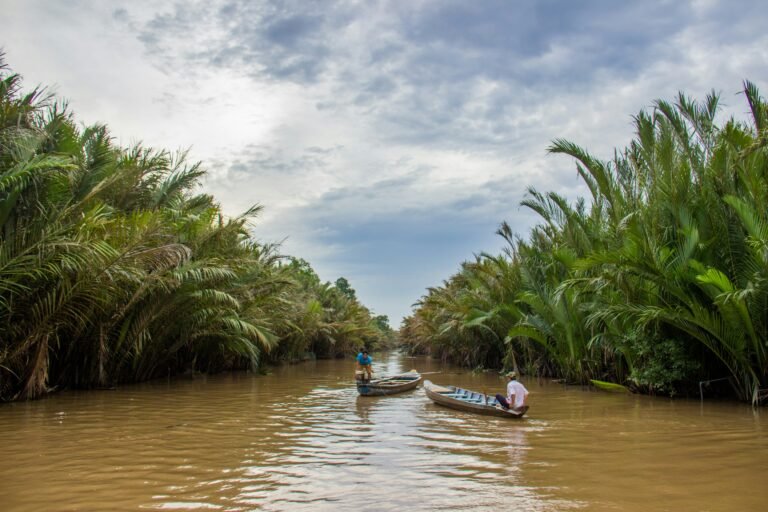
Mekong / Ninh Binh rowing boatWith helpTransfer by carrying. Feasible if the person can be carried
Standard taxiDifficultSmall boots, no adapted vehicles in the fleet
In practice, a successful trip relies on a private vehicle for the whole trip and domestic flights for long distances. That explains the thirty to fifty per cent extra cost: the car replaces everything others do by train or on foot.

Electric wheelchair

Inform the airline at least forty-eight hours ahead, with the battery type. Lithium batteries have strict limits and you need the technical data sheet. Spare parts are impossible to find locally: bring inner tubes, a valve and tools. In this country, a light folding manual wheelchair is still more practical than a heavy electric one.
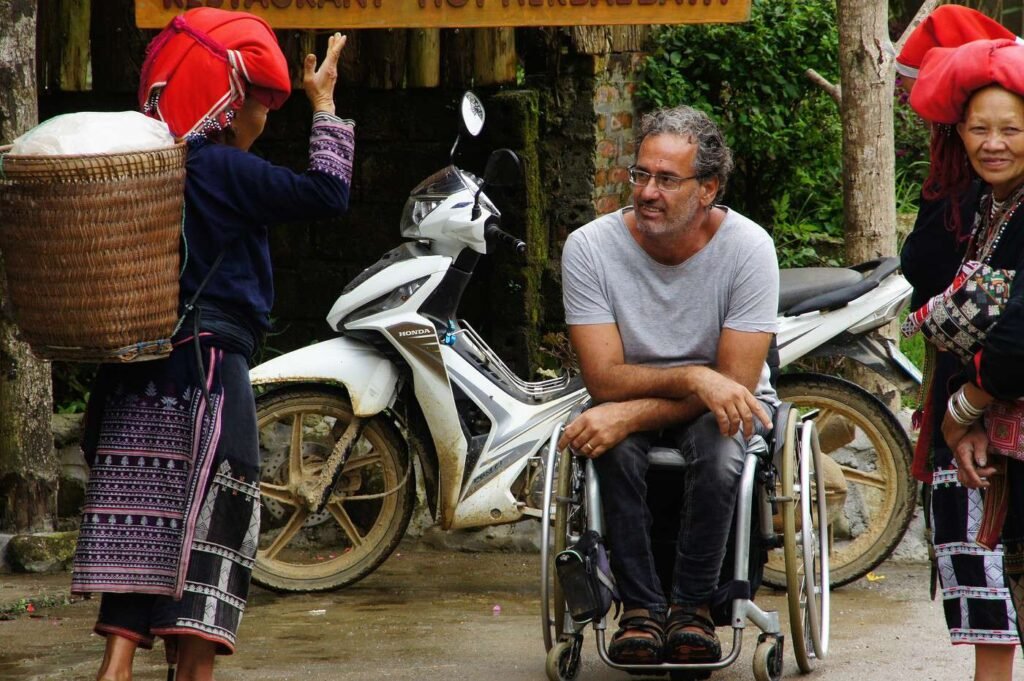
Mai Chau — Travelling in Vietnam with reduced mobility

The sites, one by one

Accessible or nearly so

PlaceSituation
Hanoi, French QuarterThe widest pavements in the country, flat avenues
Temple of LiteratureFlat, wide paths, a few low thresholds that can be crossed
Museum of EthnologyLift, ramps, one of the few sites designed for it
Halong Bay (on board)Main deck of large junks accessible
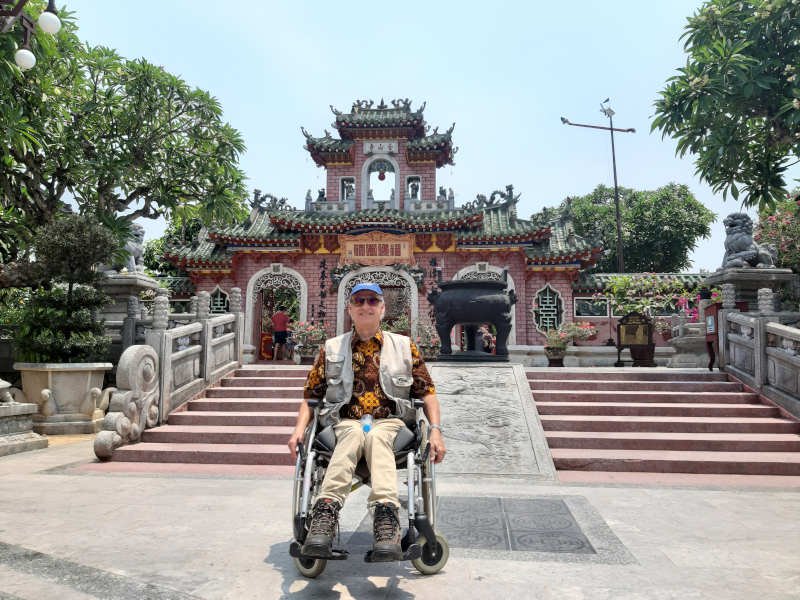
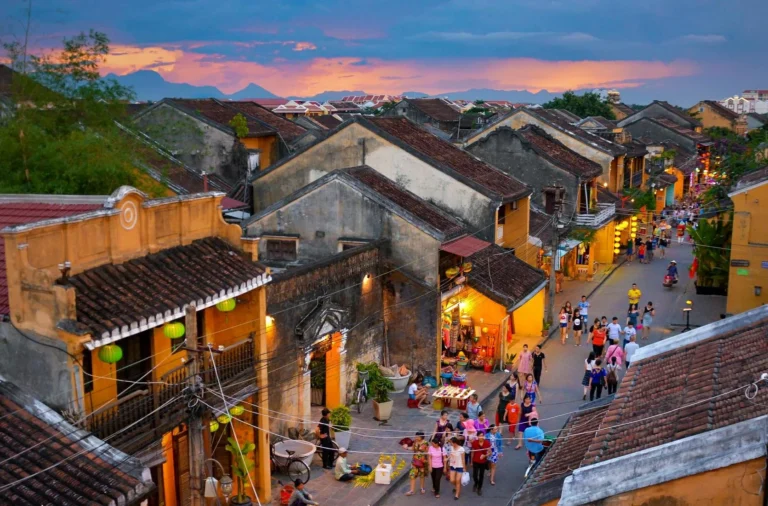
Hoi An, old townFlat and pedestrianised. Uneven surface but manageable
Hue, Imperial CityVast and flat, apart from door thresholds
Khải Định tombNo — monumental staircase. That of Tự Đức partly is
Mekong DeltaFlat. The hard part is boarding the boat
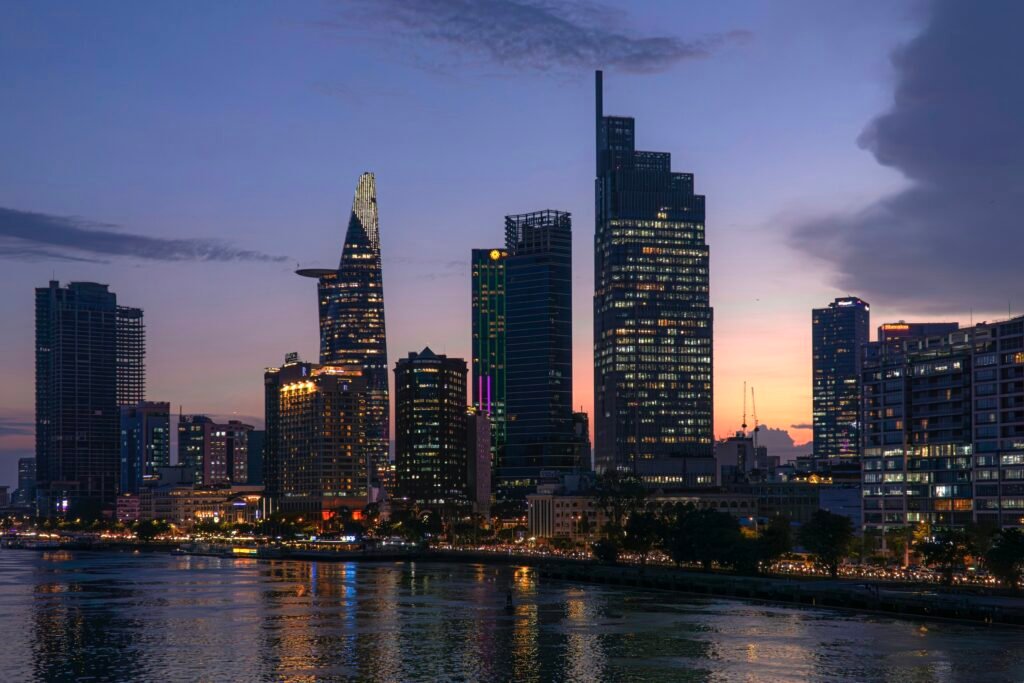
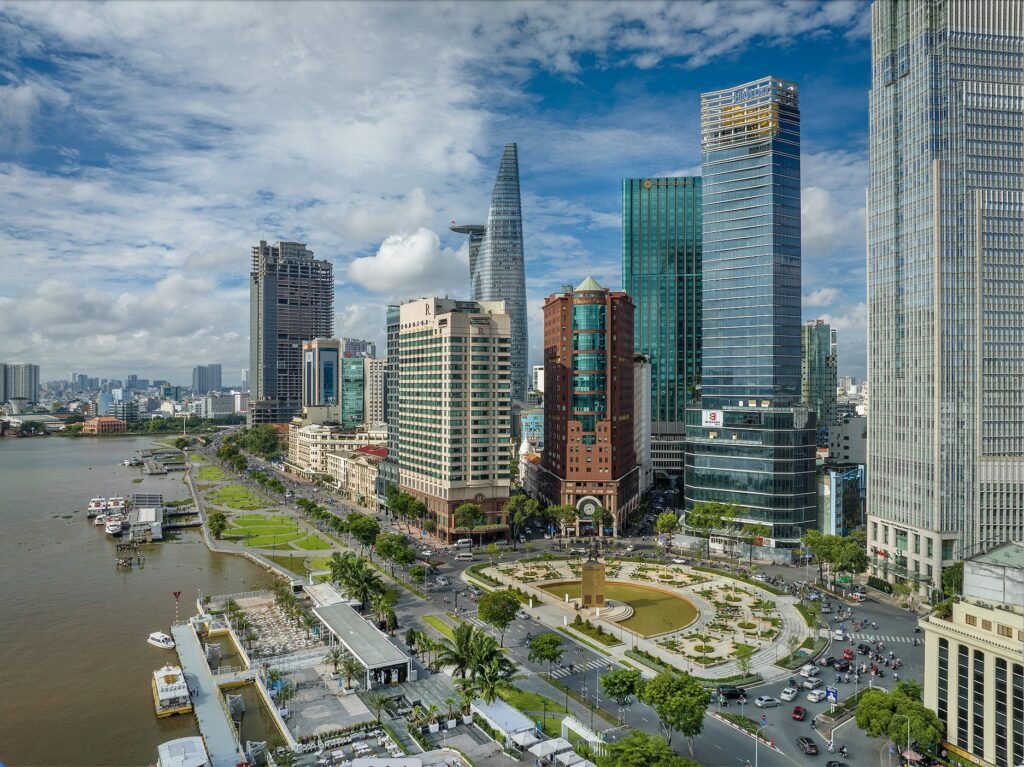
Ho Chi Minh City, centreDecent pavements on the main streets of District 1

Rule out, no false hopes

PlaceWhy
Sapa and valley treksSloping dirt paths, mud, constant ups and downs
Ha GiangGruelling mountain road, no infrastructure
Phong Nha cavesWalkways, stairs, wet ground
Perfume PagodaBoat then stairs, or cable car then steps
Củ Chi tunnelsNarrow underground passages by definition
Marble MountainsLift halfway up, then carved steps
Most old pagodasRaised thresholds of 20 to 40 cm, deliberately
The high wooden threshold at pagoda entrances isn’t a design flaw: it is there to make you lower your head and lift your foot as you enter. It will never be adapted, and rightly so.
Travelling in Vietnam with reduced mobility

Hotels

TypeAccessibility
Recent international chainsProperly adapted rooms: step-free shower, grab rails, door width
Vietnamese 4–5-star hotelsLift and step-free, but bathrooms with a shower tray and a step
Boutique hotels in the old quarterOften three steps at the entrance, narrow stairwells
Homestays and stilt housesNot accessible
The booking-platform trap: the “wheelchair access” box is ticked as soon as there is a lift, which says nothing about the bathroom or the entrance steps. The questions to ask in writing, with a request for a photo:
  • How many steps between the street and reception?
  • Is the shower step-free, or is there a tray to step over?
  • How wide is the bathroom door?
  • Is there a grab rail next to the toilet?
A photo settles in thirty seconds what an email exchange doesn’t settle in three days.

Health, equipment, insurance

PointWhat you need to know
International hospitalsHanoi (French Hospital, Vinmec) and Ho Chi Minh City (FV). Good standard, English- and French-speaking staff available
ElsewhereLimited local facilities. Evacuation to Hanoi, Saigon or Bangkok is the norm
InsuranceCheck that the pre-existing condition is actually covered: the exclusion clause is the default rule
MedicationBring twice what you need, in your hand luggage, with a prescription in English giving the generic name
Wheelchair repairNo network. Scooter mechanics fix a buckled wheel very well
HeatThe most underestimated risk: 35°C and 80% humidity while seated for long periods
On the heat: from May to September, in the South and Centre, plan two short outings rather than one long one, with a return to the hotel between eleven and three. Pressure sores and dehydration come on much faster than in Europe.
Travelling in Vietnam with reduced mobility

An itinerary that works

The principle: few stops, long stays, flat ground. Three places in twelve days rather than six.
DaysStopWhy
1 – 4HanoiFlat French Quarter, adapted hotels, Museum of Ethnology
5 – 6Halong or Lan Ha BayOne night on board a large recent junk
7 – 9Hue (flight from Hanoi)Vast, flat Imperial City, boat on the Perfume River
10 – 12Hoi AnFlat pedestrian old town, beach accessible by car
13Departure via Da NangRecent, step-free airport
Add three days in the Mekong Delta if the person can be carried into a boat: it is the only place in the South where the experience doesn’t depend on walking.
Hoi An — Travelling in Vietnam with reduced mobility

What we do, and what we say

When a traveller writes to us about a trip with reduced mobility, we start with a precise question: can the person take ten steps and climb three stairs with support? The answer changes the whole programme. A possible transfer opens up Halong Bay, the boats and half the sites; a strict wheelchair user closes those doors but still leaves enough for a wonderful trip.We then assign one driver for the whole trip rather than one per stage: they learn the routines, know where to park, and that continuity is worth more than any equipment. We check hotels by photo, not by the box ticked on the listing. And we cut the programme by about a third compared with a standard tour.What we also say, because it is better to hear it beforehand: Vietnam will demand more effort than a trip in Europe, there will be moments of discomfort, and some places will remain closed. In return, it is a country where nobody looks away and where help arrives before you ask.

Recommended tour

The trip that goes with this article

A question?

A question about this stop?

Write to us on WhatsApp; you’ll get a reply the same day.

Request a quote →

All our practical guides

All our practical guides

See the practical information →

Frequently asked questions

Is Vietnam wheelchair accessible?

Not in the European sense: high and cluttered pavements, unsuitable public transport, few accessible toilets. A trip remains entirely possible with a private vehicle, carefully chosen hotels and a programme lightened by a third.

What is the main obstacle?

The pavement, not the monument. It serves as a car park and a kitchen, is fifteen to twenty-five centimetres high without dropped kerbs and stops without warning, which forces you to travel on the road.

Can you take the train in Vietnam in a wheelchair?

No. Steep steps, fifty-centimetre corridors, triple-tier bunks and inaccessible toilets. Choose domestic flights and a private car instead.

Can you do Halong Bay?

Yes in most cases: large recent junks have an accessible main deck. Only boarding needs help, and it always arrives.

Which sites should be ruled out?

Sapa, Ha Giang, the Phong Nha caves, the Perfume Pagoda, the Củ Chi tunnels and most old pagodas, whose raised thresholds are intentional and will never be adapted.

How can you check a hotel is really adapted?

Ask for a photo of the bathroom and the entrance. The platforms’ “wheelchair access” box is ticked as soon as there is a lift, which says nothing about steps or the shower tray.

Can you bring an electric wheelchair?

Yes, by informing the airline forty-eight hours ahead with the battery’s technical data sheet. But no parts are available locally: a light folding manual wheelchair is more practical.

What extra cost should you expect?

Thirty to fifty per cent more than a standard tour, mainly for transport, since the private car replaces everything others do by train or on foot.

What is the question that determines the programme?

Whether the person can take ten steps and climb three stairs with support. A possible transfer opens up Halong Bay, the boats and half the sites.

Putting it into practice

The tours where you experience what this article is about

The essentials

Vietnam in 3 weeks

Goes through Ha Giang, Hue and Hoi An

Hanoi — Hà Giang — Đồng Văn — Pu Luong — Ninh Binh — Lan Ha Bay — Hue — Hoi An — Saigon — Mekong Delta

21 daysfrom €2,690

See the programme →

The essentials

Essential Vietnam — 12 days

Goes through Hue, Hoi An and the Mekong Delta

Hanoi — Ninh Binh — Lan Ha Bay — Hue — Hoi An — Saigon — Mekong Delta

12 daysfrom €1,740

See the programme →

The essentials

From the North to the Mekong, on to Cambodia

Goes through Hue, Hoi An and the Mekong Delta

Hanoi — Ninh Binh — Lan Ha Bay — Hue — Hoi An — Saigon — Mekong Delta — Chau Doc

14 daysfrom €1,990

See the programme →

See our 14 tours →

A quote costed line by line, free

Tell us your wishes and your dates: a French-speaking adviser based in Hanoi replies within 24 working hours, with no obligation.

Scroll to Top
Search