Trekking in Sa Pa: what fitness level, what season, what route
Among the Hmong and Dao terraces, trekking in Sa Pa ranges from a downhill stroll to climbing Fansipan. What you need to know to choose the right level and the right season.
In brief
Altitude
About 1,600 m; Fansipan 3,143 m
Level
From easy to sporty depending on the route
Best time
Mid-September to November, March to May
Watch out
Slippery paths after rain, cold winter
Sa Pa, and why you walk there
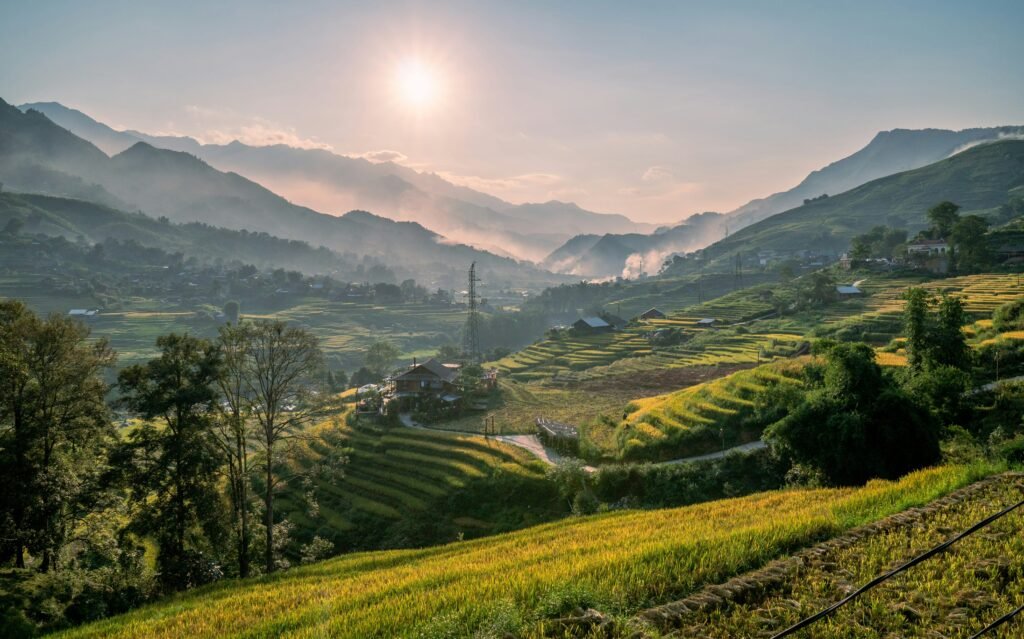
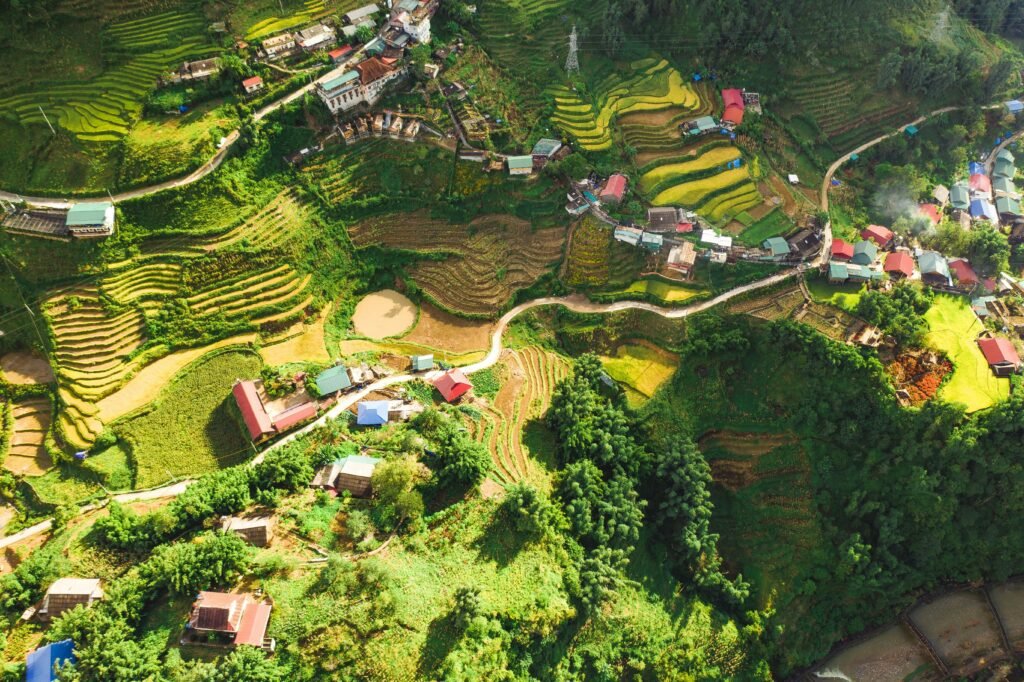
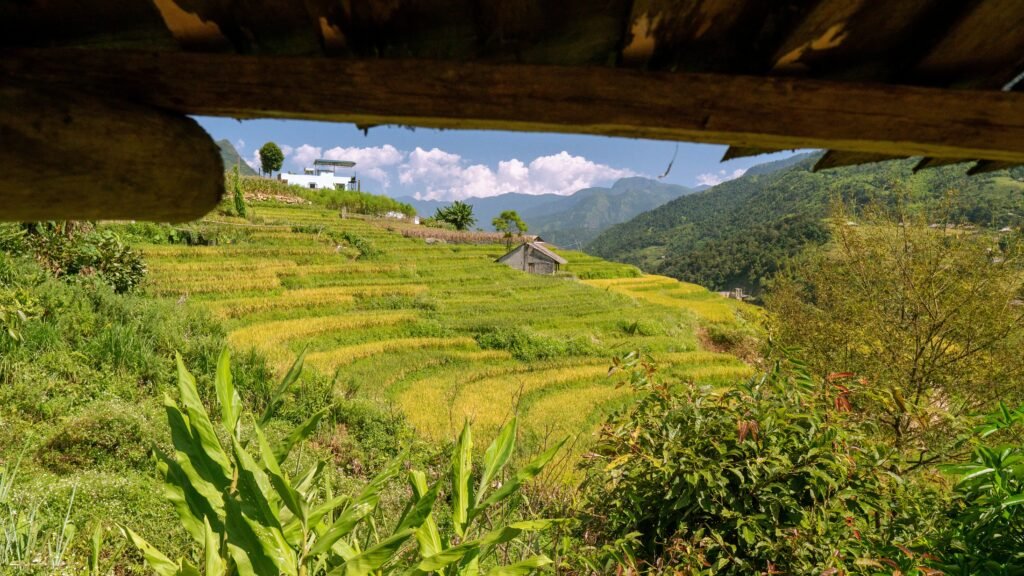
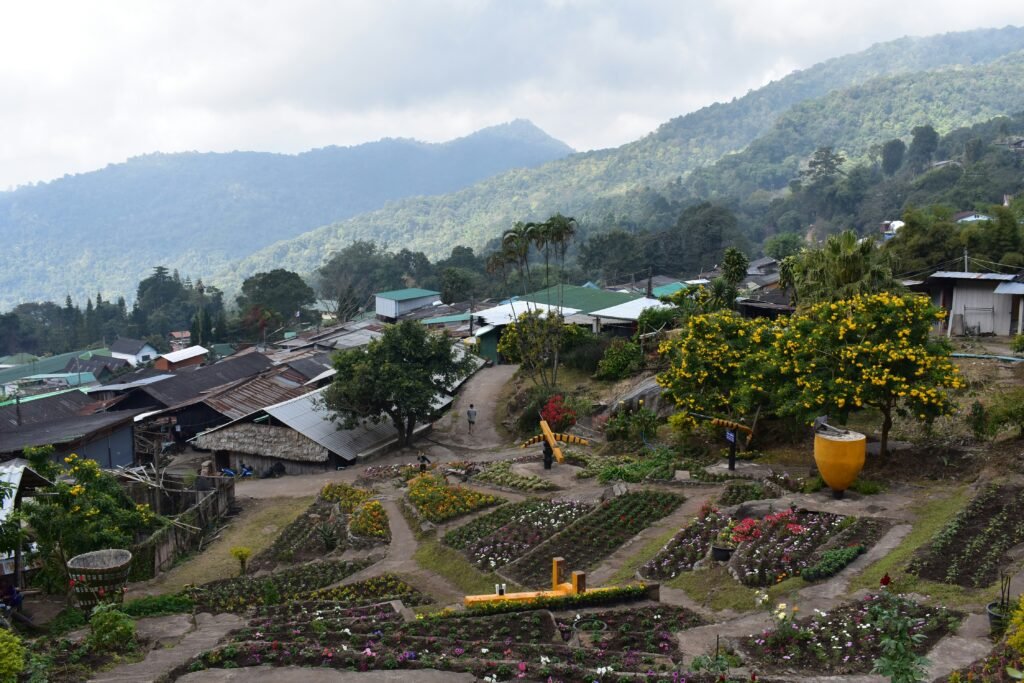
Sa Pa is a former colonial-era hill station, at about 1,600 metres, at the foot of the Hoang Lien Son range. The town itself has grown a lot and has little of a village left about it. What draws travellers is all around: valleys of terraced rice fields, farmed by the Hmong, Dao and Giay, which you discover on foot, from village to village.Trekking in Sa Pa isn’t high mountaineering. It is hiking between the terraces, on earth paths, with climbs and descents that are sometimes steep and slippery after rain. The level depends entirely on the route chosen.
Three walking levels
Level
What it is
For whom
Easy
Two to four hours a day, downhill in the Muong Hoa valley, return by car
Everyone, including children from seven or eight
Average
Five to six hours, with climbs, a homestay night in a village
Regular walkers, good shoes essential
Sporty
More remote routes, several days, or climbing Fansipan on foot
Trained hikers, with a specialist guide
The vast majority of our travellers choose the medium level over two days, with a homestay night: it is the best balance between effort, landscapes and encounters.
The Muong Hoa valley and beyond
The Muong Hoa valley, south of the town, is the best-known route: the villages of Lao Chai and Ta Van, the terraces descending to the river. It is beautiful, accessible and very busy in high season. For more calm, you need to go further: lesser-known valleys require an extra hour by car, and offer paths where you mostly meet farmers.That is the main value of a local guide: knowing, depending on the season and the day, which path will be passable and which will be empty.
Fansipan
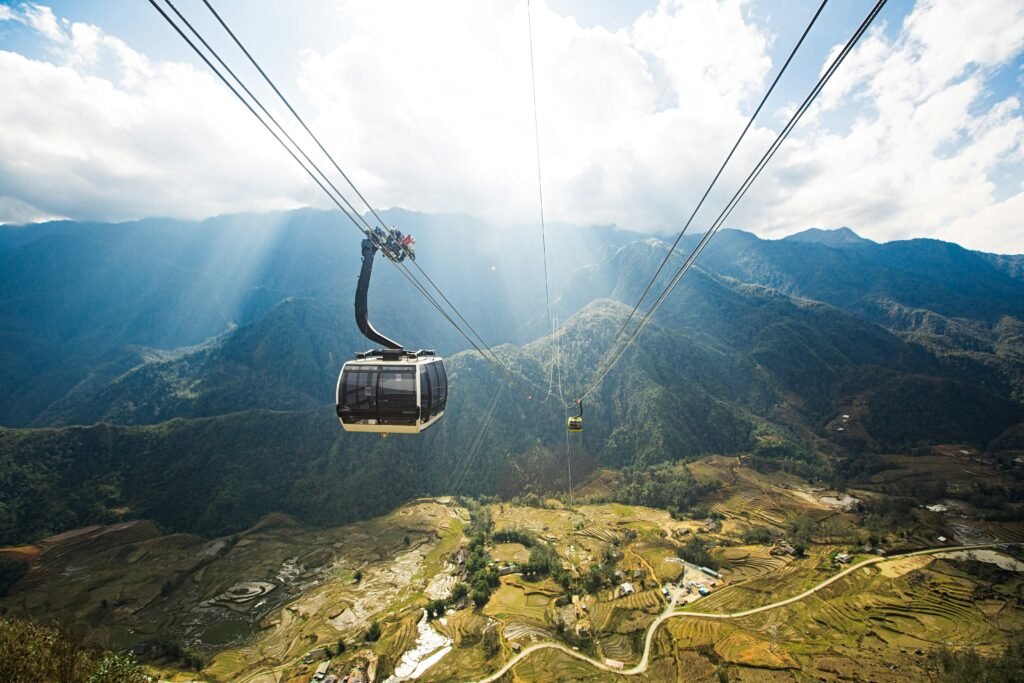
Fansipan, 3,143 metres, is the highest point in Vietnam and in all of Indochina. There are two ways up. The cable car, opened in 2016, takes you near the summit in about twenty minutes, with a complex of temples and shops at the top: the view is spectacular in clear weather and invisible in cloud, which is frequent. The climb on foot, in one or two days, is a real mountain hike, steep and muddy, for trained walkers only.
When to walk in Sa Pa
From mid-September to early October, the terraces are golden before the harvest: it is the most beautiful and most sought-after period. October and November offer dry, clear weather. From March to May, the terraces are flooded then planted, with magnificent reflections in May.From December to February, it is cold, sometimes near freezing, with a lot of mist; houses aren’t heated. From June to August, it rains a lot and the paths become slippery, but the landscape is an intense green.
Staying in a homestay
The homestay night is often the strongest memory of the trek. Comfort is simple: a mattress in a shared room or a separate room depending on the house, usually a hot shower, meals eaten with the family. Standards have improved a lot in recent years, but it isn’t a hotel, and that is precisely the point.
What to bring
Hiking boots that support the ankle and have a lugged sole: mud is the number one enemy. A light rain jacket, a fleece, a head torch, sun cream and a small daypack. Your main luggage stays at the hotel or follows by car.On the paths, village women often accompany walkers, then offer their handicrafts at the end. You are under no obligation to buy; if you do, it is direct income for the family.
The peoples of the valley
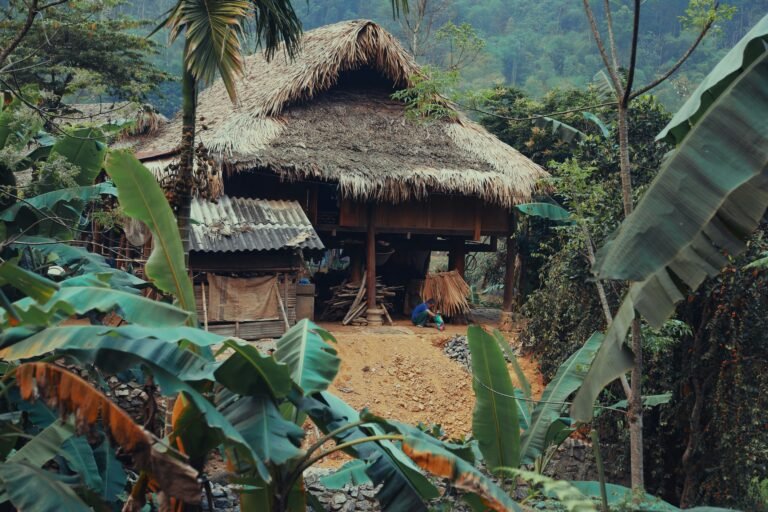
The villages around Sa Pa are mainly home to Black Hmong, recognisable by their indigo-dyed clothes, and Red Dao, whose women wear a red turban and shave their eyebrows. The Giay, fewer in number, live on the valley floors, around Ta Van. Each of these peoples has its own language, crafts and rituals.The encounter goes better if you prepare for it. Always ask before photographing someone, and accept a refusal. Don’t give sweets or money to children, who leave school to sell to tourists; if you want to help, buy an item from a craftswoman or go through a school or cooperative. Your guide, often from these communities themselves, makes the connection and translates.
Sa Pa, Pu Luong or Ha Giang?
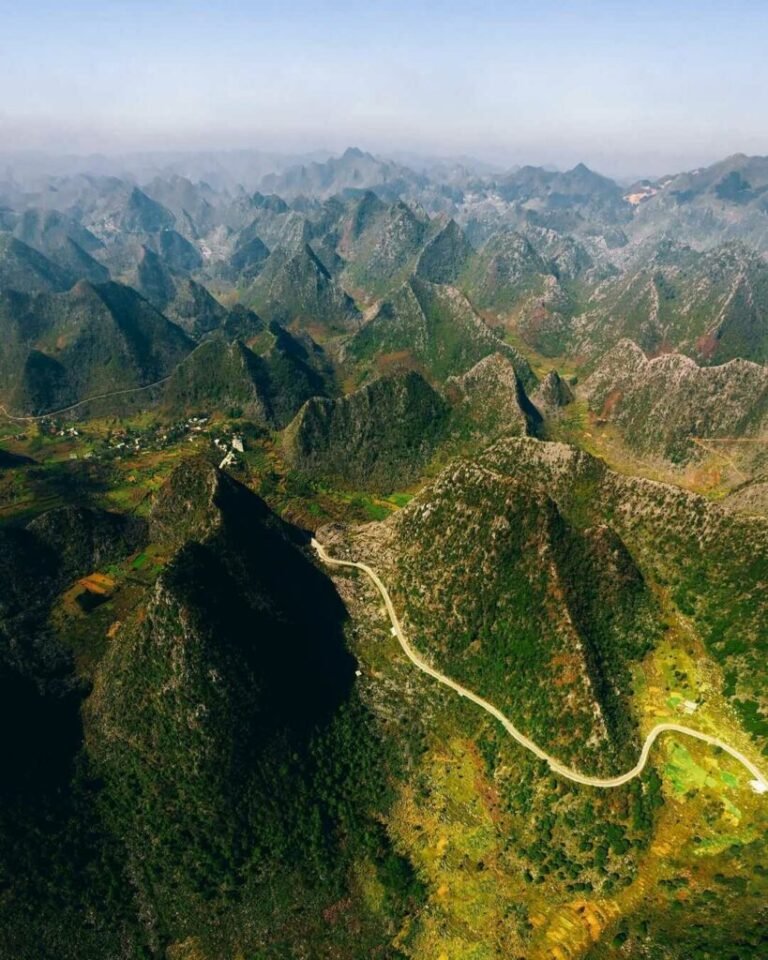
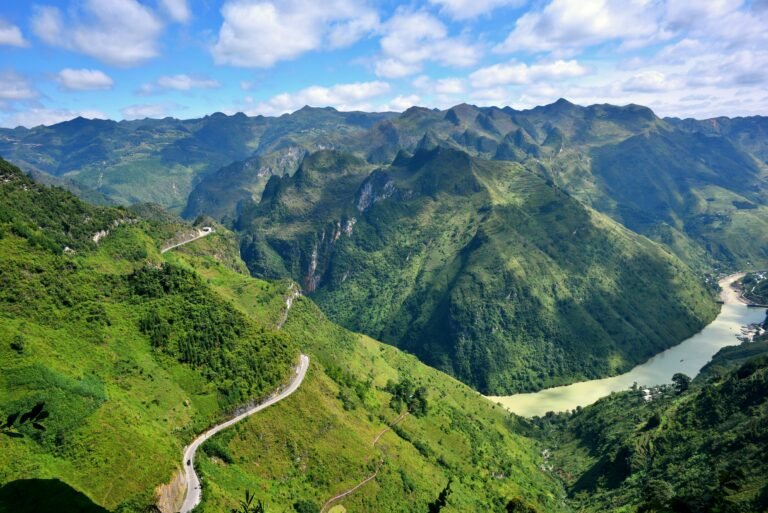
Sa Pa is the most accessible and best equipped of the mountain regions, but also the busiest. Pu Luong, four hours from Hanoi, offers equally beautiful terraces with far fewer people, and suits families well. Ha Giang, further towards the Chinese border, is the most spectacular, with its mountain roads and karst plateaus, but needs at least four or five days. The right choice depends on how much time you have and whether you would rather walk or drive.
Walking with a local guide
In the Muong Hoa valley and beyond, we walk with local guides, often H’mong or Dao women who grew up in these villages. They know the trails, the families and the mountain weather, and explain daily life better than anyone. It is also a way for the villages to benefit directly from trekking income, alongside your French-speaking guide.
Walking with children
Children from seven or eight years old who are used to walking really enjoy rambles through the rice fields, as long as you choose stages of two to three hours with breaks in the villages. A car can pick the family up halfway if tiredness sets in. The homestay night, around the fire and the family meal, is often children’s best memory.
Mountain weather
In Sa Pa, the weather changes quickly. Fog can cover the valley within minutes, and earth paths become slippery after rain. Mornings are often clearer: set off early, bring a waterproof jacket and good shoes with gripping soles, and accept that the programme adapts to the sky.
One last piece of advice
Avoid weekends and Vietnamese public holidays, when Sa Pa is very busy with visitors from Hanoi. On weekdays, and by moving a few kilometres away from the town, you will find almost deserted trails.
Sa Pa on a tour
Sa Pa is reached from Hanoi in five to six hours by expressway, or by night train to Lao Cai followed by an hour’s drive. Allow three nights there for a two-day trek without rushing. If you want the same thing with fewer people, Pu Luong or Mu Cang Chai are excellent alternatives.
Audience measurement. We would like to know which pages are useful to you, using Google Analytics. Nothing is stored without your consent, and you can change your mind at any time. Learn more

 Off the beaten trackTrekking in the North-West — 11 daysHanoi — Mai Châu — Pu Luong — Nghia Lo — Mu Cang Chai — Thac Ba Lake — Hanoi11 days / 10 nightsfrom €1,650