Temples, tea and leopards on one side; karst, street food and ancient cities on the other: Sri Lanka and Vietnam compared, seasons included.
In brief
Vietnam
Karst landscapes, cities, street food, direct flight
Sri Lanka
Ancient temples, tea plantations, safaris
Seasons
Two monsoons in Sri Lanka, three climates in Vietnam
For a first trip
Advantage Vietnam
Two countries less alike than you might think
Sri Lanka and Vietnam attract the same travellers: those who want a tour in Asia combining heritage, nature, plantations and beaches, without the crowds of Thailand. Both work very well in two or three weeks, with a driver and a guide. But the experience differs: Sri Lanka is a compact island, centred on Theravada Buddhism, safaris and tea plantations; Vietnam is a long country of rice fields, limestone peaks, ancient cities and street food.
In Sri Lanka you come for the temples, the tea and the leopards; in Vietnam, for the karst landscapes, the food and city life.
The comparison
Criterion
Vietnam
Sri Lanka
Size and pace
1,650 km from north to south, usually two domestic flights
A compact island, everything is done by road, slow roads
Flight from Paris
Direct flights, about 12 h
Usually with a stopover
Formalities for French citizens
Visa-free for up to 45 days (until 14 March 2028)
Electronic authorisation to apply for online, conditions to check
Heritage
The imperial city of Huế, Hoi An, Cham temples, French heritage
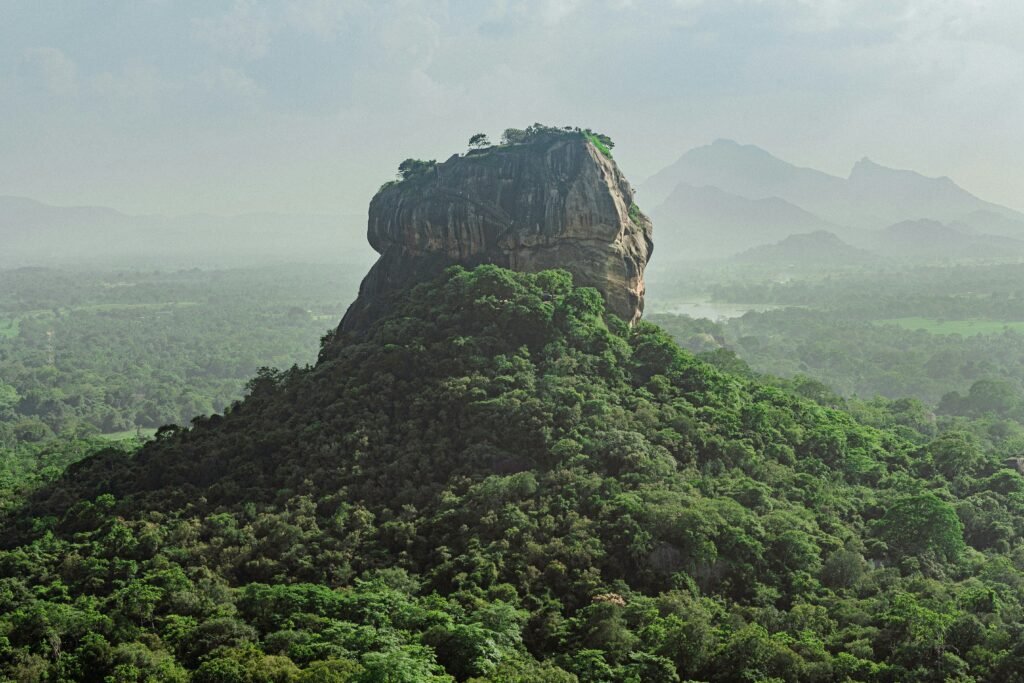
The Cultural Triangle: Sigiriya, Dambulla, Polonnaruwa, Kandy
Nature
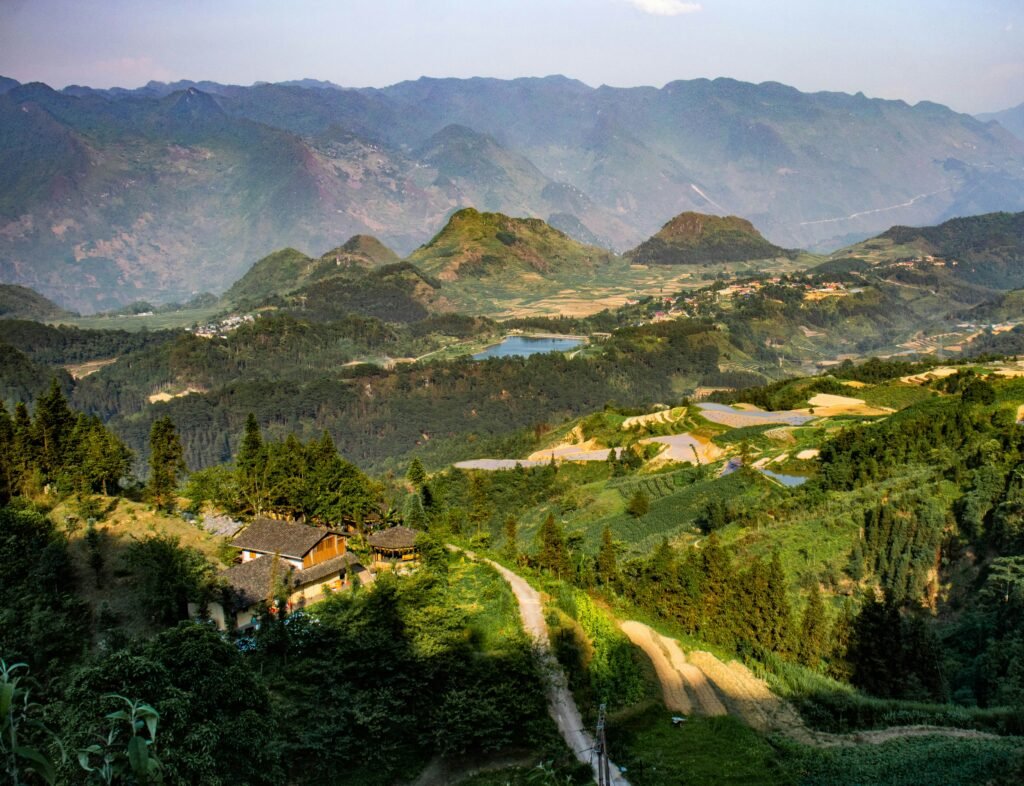
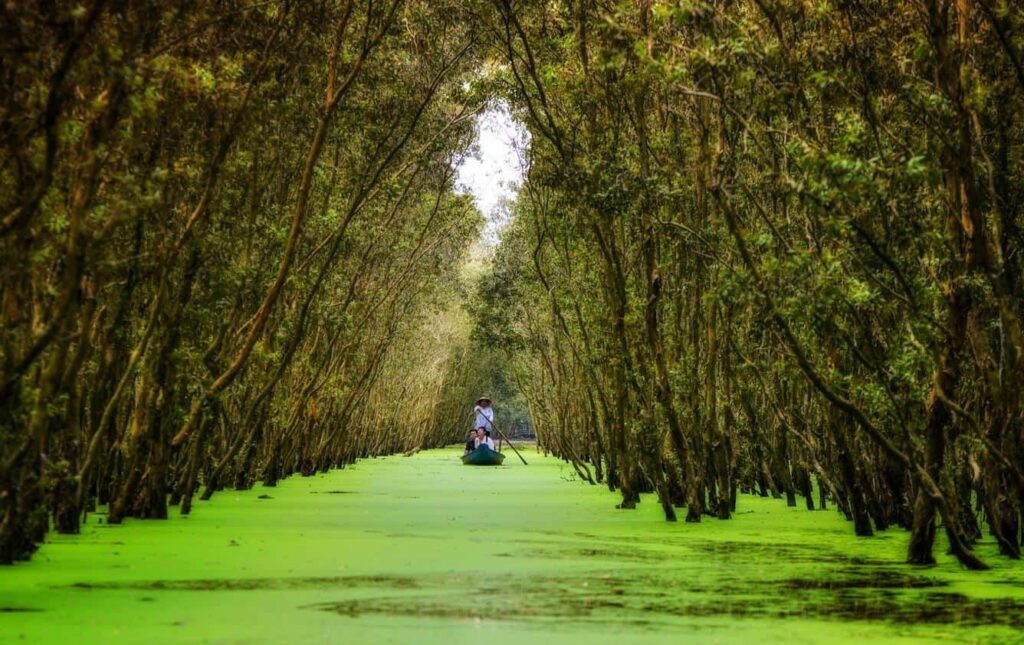
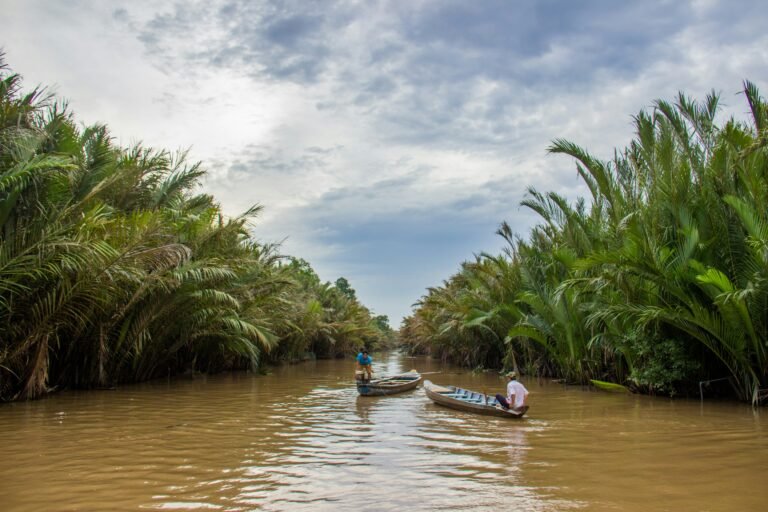
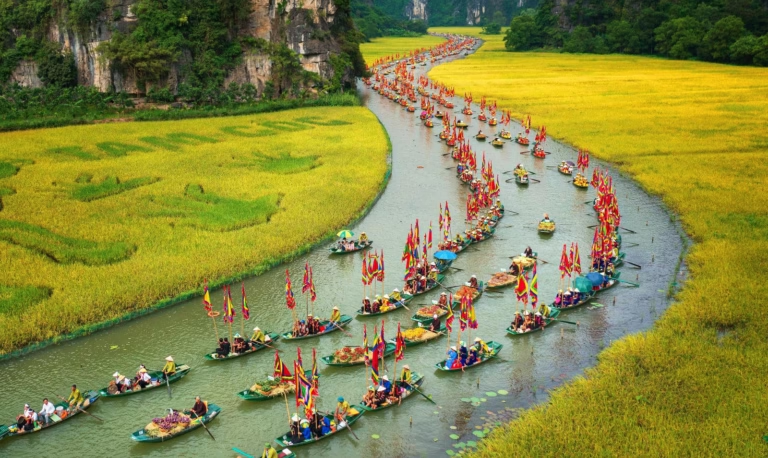
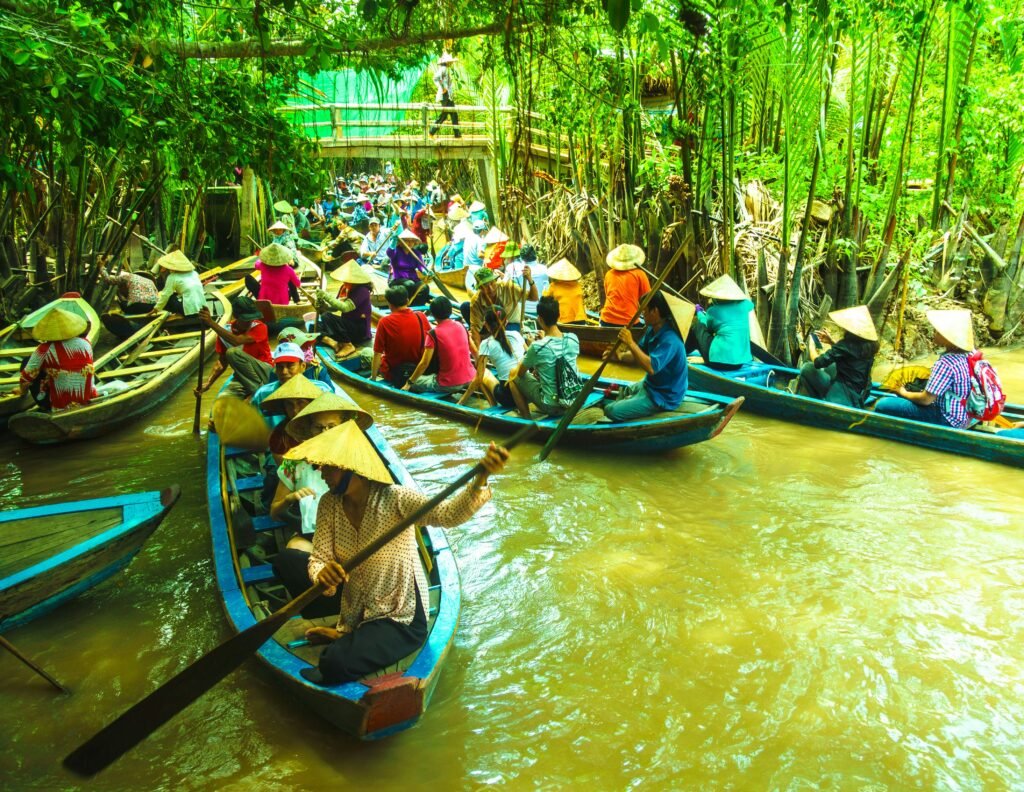
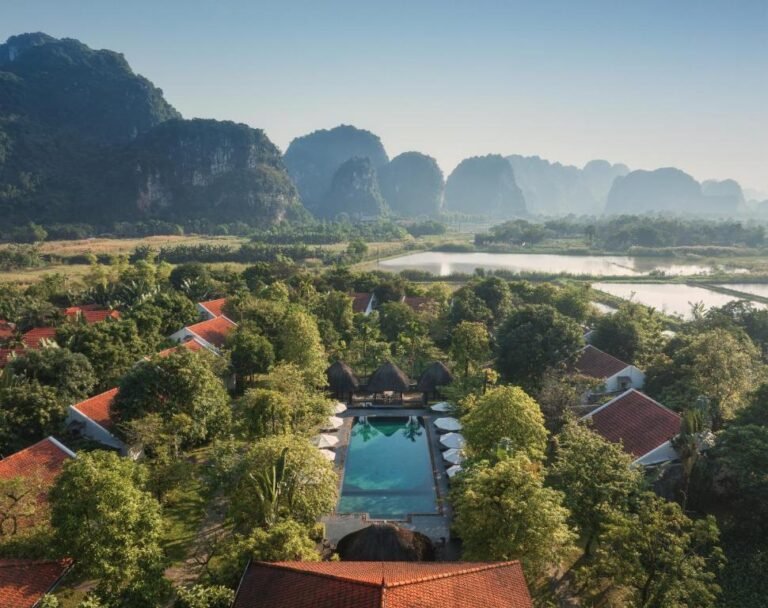
Halong Bay, Ninh Binh, the rice fields of the North, the Mekong Delta
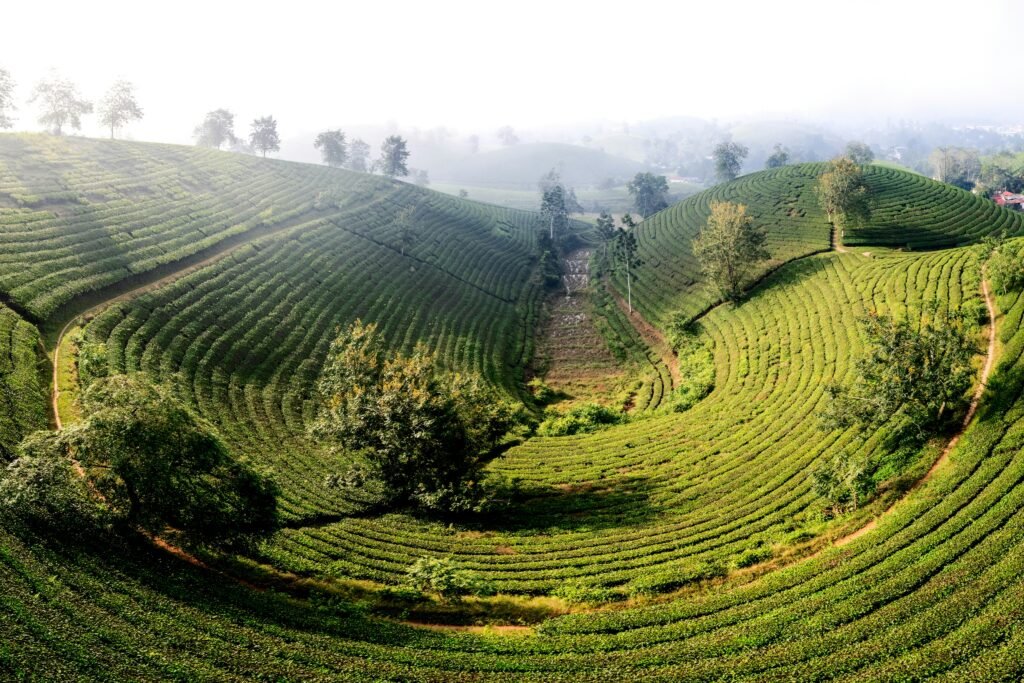
Tea plantations, safaris in Yala and Udawalawe
Beaches
Phu Quoc, Con Dao, the central coast
The south and east coasts, depending on the monsoon
Food
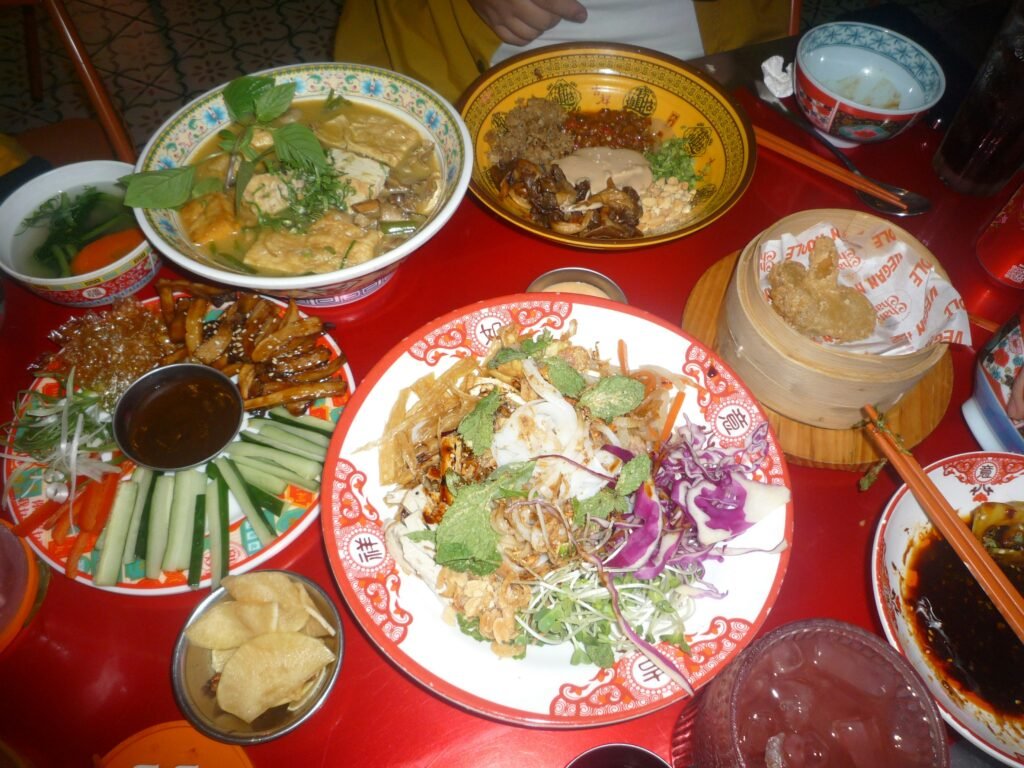
Soups, fresh herbs, street food everywhere
Rice and curry, spicier, less street food
The seasons, the deciding factor
Sri Lanka has two monsoons that affect different coasts. From May to September, the south-west monsoon brings rain to the west coast and the south; the east coast is then at its best. From October to January, it is the other way round. The centre of the island can be visited almost all year.Vietnam also works by region: the South is dry from December to April, the Centre from February to August, and the North is most pleasant in spring and autumn. March-April and October-November let you cross the whole country. In both cases, a local agency builds the itinerary around the month.
Choose Vietnam if…
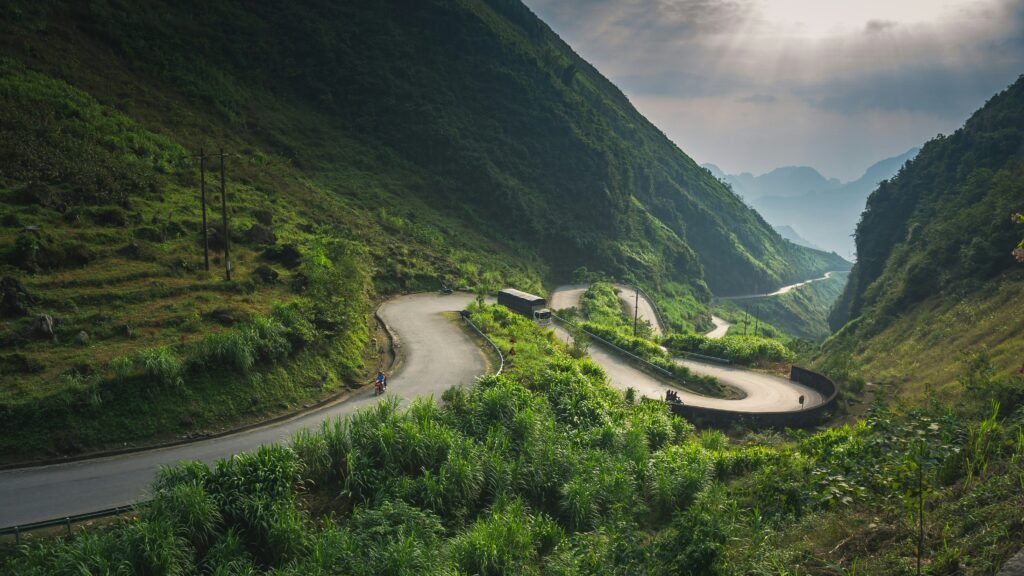
You love spectacular landscapes (the peaks of Halong Bay and Ninh Binh have no equivalent in Sri Lanka), food and street life, lively cities like Hanoi and Saigon, and a tour that tells a story from north to south. The direct flight and the absence of a visa also make departure simpler.
Choose Sri Lanka if…
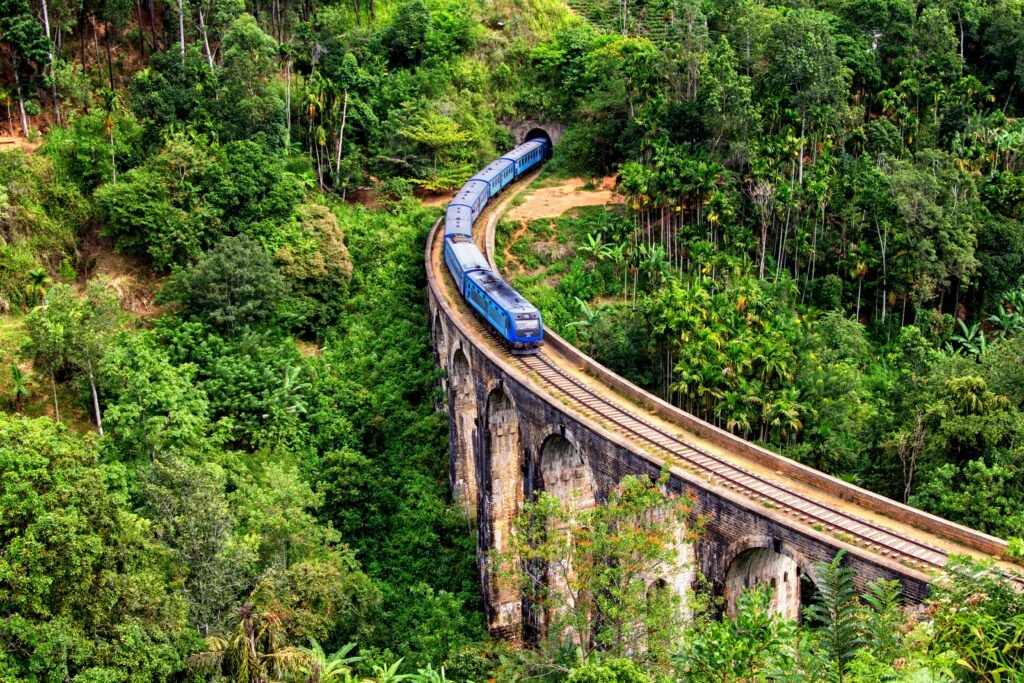
Safaris appeal to you (leopards in Yala, elephants in Udawalawe), as do the great ancient Buddhist sites and the famous tea plantation train. Distances are short on the map, but the roads are slow: you also spend a lot of time in the car there.
Budget and comfort
Both countries offer excellent value for money for a private tour with a driver. In Sri Lanka, jeep safaris, entrance fees to the great Cultural Triangle sites and boutique hotels in the plantations weigh on the budget. In Vietnam, the main items are the night on a junk in the bay, domestic flights and boutique hotels in Hoi An or Ninh Binh. For a comparable level of comfort, budgets are similar; the difference mainly comes down to the length of the trip and the number of flights.
The pace on the road
In Sri Lanka, everything is done by road, and distances are deceptive: it often takes four to five hours to cover 150 kilometres in the hills. In Vietnam, long distances are covered by air, and car journeys rarely exceed three or four hours between two stops. In both cases, a good itinerary limits days on the road and alternates visits with free time.
With children
Sri Lanka's safaris are a very strong argument for families, as are the elephants and the beaches of the south coast. Vietnam wins children over with the variety of activities, such as a night on a junk, cycling, kayaking, water puppets and cooking classes, and with short stages linked by quick flights. In both countries the food can be spicy: in Vietnam, chilli is served on the side, which makes things easier.
Culture and religion day to day
In Sri Lanka, Theravada Buddhism leaves its mark everywhere: white stupas, monks in saffron robes, flower offerings and great pilgrimages. Temples require covering clothes, and you often take off your shoes well before the entrance. In Vietnam, religion is more discreet and more mixed: ancestor worship in every home, Buddhist pagodas, Confucian temples and local spirits coexist without clear boundaries. You see it less at first glance, but a guide makes it very much alive, from the family altar to village festivals.
Beaches, season by season
Both countries have beautiful beaches, but not at the same time or in the same place. In Sri Lanka, the south and west coast are at their best from December to March, the east coast from May to September. In Vietnam, Phu Quoc and Con Dao are perfect from November to April, and the central coast, from Hoi An to Quy Nhon, from March to August. In both cases, a local agency chooses the beach according to the month, not the other way round.
And why not both?
Combining the two countries in one trip is possible, but there is generally no direct flight between them: you have to go via Bangkok, Singapore or Kuala Lumpur, which costs a day. Over three weeks, we would rather advise choosing one country and seeing it in depth, and keeping the other for a future trip.
For a honeymoon
Both countries appeal to newlyweds. Sri Lanka offers plantation hotels among the tea hills, seaside villas and safaris for two. Vietnam offers a night on a junk in Lan Ha Bay, the lanterns of Hoi An, boutique hotels in the rice fields of Ninh Binh and an end to the trip on a beach in Phu Quoc or Con Dao. The choice often comes down to the season: in December-January both work; in summer, Sri Lanka’s east coast and Vietnam’s central coast are the best options. Either way, ask your agency to plan a few days with nothing scheduled: a honeymoon is best savoured slowly.
Our agency’s view
For a first two-week trip to Asia, Vietnam offers more variety and simpler logistics from France. For a traveller who already knows Southeast Asia and is looking for wildlife, Sri Lanka is an excellent choice. We only organise Vietnam; if you are hesitating, write to us with your dates and what you are looking for, and we will tell you frankly whether Vietnam fits.
Both work. Vietnam offers more variety of landscapes and cities; Sri Lanka, safaris and ancient Buddhist sites in a smaller area.
What is the best season for Sri Lanka and for Vietnam?
In Sri Lanka, the south and west coasts from December to March, the east coast from May to September. In Vietnam, March-April and October-November for the whole country.
Are there direct flights?
Yes for Vietnam, to Hanoi and Saigon. For Sri Lanka, you usually need a stopover.
Do you need a visa?
Not for Vietnam, for up to 45 days (until 14 March 2028). For Sri Lanka, an electronic authorisation, to be checked before departure.
Which country has the better food?
It is a matter of taste: Vietnamese food is fresher and very present on the street; Sri Lankan food is built on curries and spices.
Putting it into practice
The tours where you experience what this article is about
Audience measurement. We would like to know which pages are useful to you, using Google Analytics. Nothing is stored without your consent, and you can change your mind at any time. Learn more
 HoneymoonHoneymoon — 12 daysHanoi — Ninh Binh — Lan Ha Bay — Hoi An — Con Dao — Saigon12 days / 11 nightsdès 2 250 €