Both valleys offer terraced rice fields and homestay nights. One takes six hours by road and receives whole coachloads, the other four hours and stays family-scale. Here is how to decide.
In brief
Our advice
Pu Luong for a first two-week trip
Sa Pa wins if
An ethnic market or Fansipan appeals to you
Drive from Hanoi
4 hrs for Pu Luong, 5 to 6 hrs for Sa Pa
Golden rice fields
Two windows at Pu Luong, only one at Sa Pa
The decision table
The two valleys look alike in photos. They don’t look alike at all on the ground.
Criterion
Sa Pa
Pu Luong
Drive from Hanoi
5 to 6 hrs by motorway, 370 km
4 hrs, 180 km
Altitude
1,500 m, a real winter
200 to 800 m, mild all year
Crowds
High, concreted town
Low, family-scale tourism
Golden rice fields
Mid-September to early October
Twice: late May and late September
Accommodation
From guesthouse to 5-star
Homestays and stilt-house lodges
Plus
Fansipan, the ethnic markets of Bac Ha and Can Cau
Quiet, flat, family-friendly
Minus
The town has lost its soul
No major site to “tick off”
What Sa Pa still has going for it
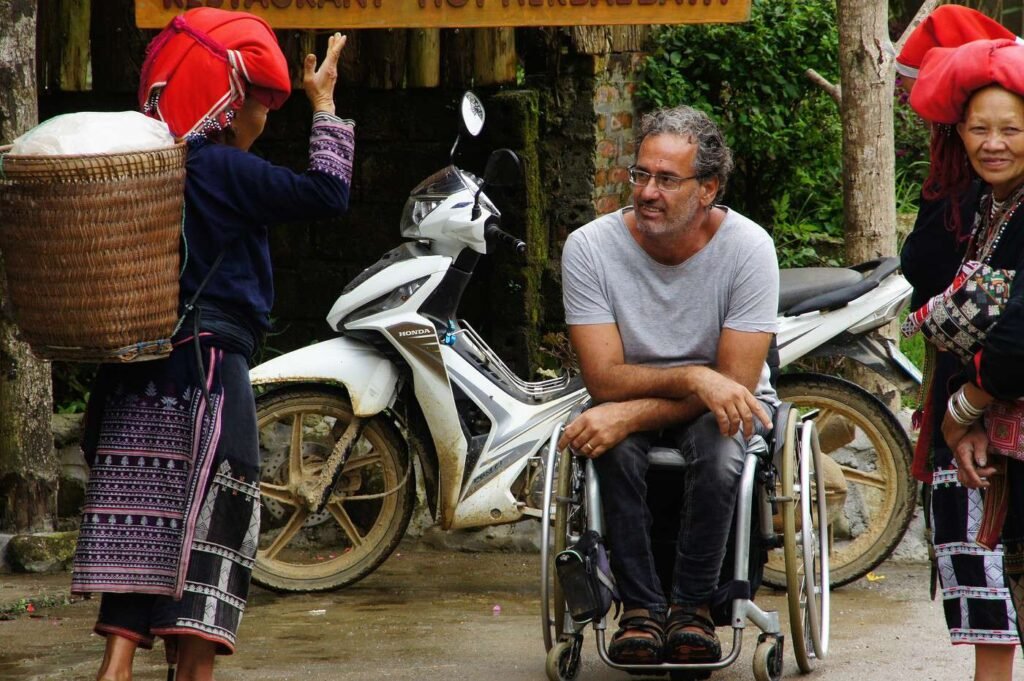
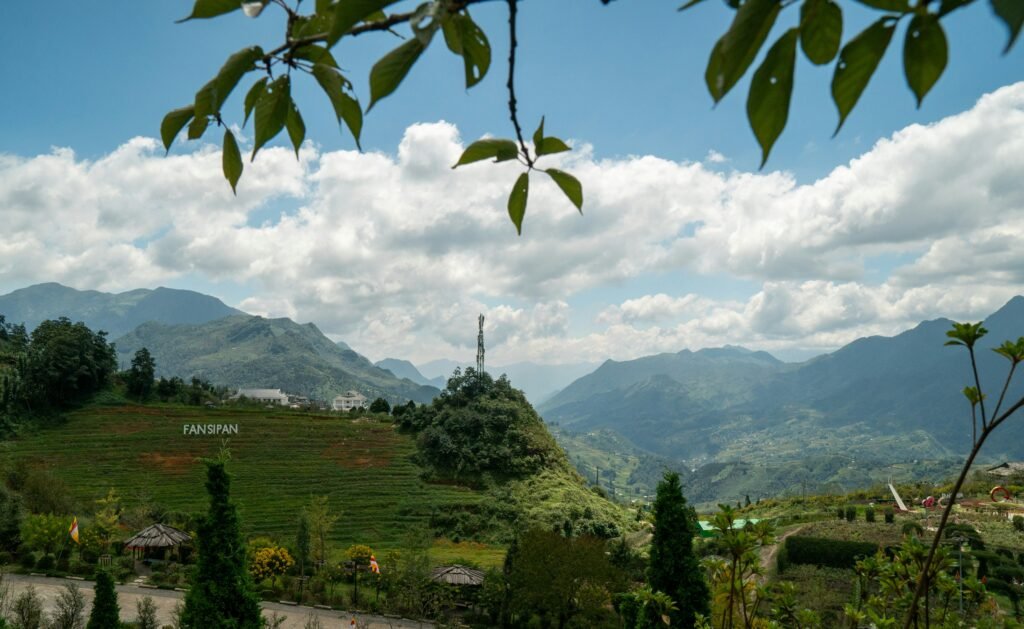
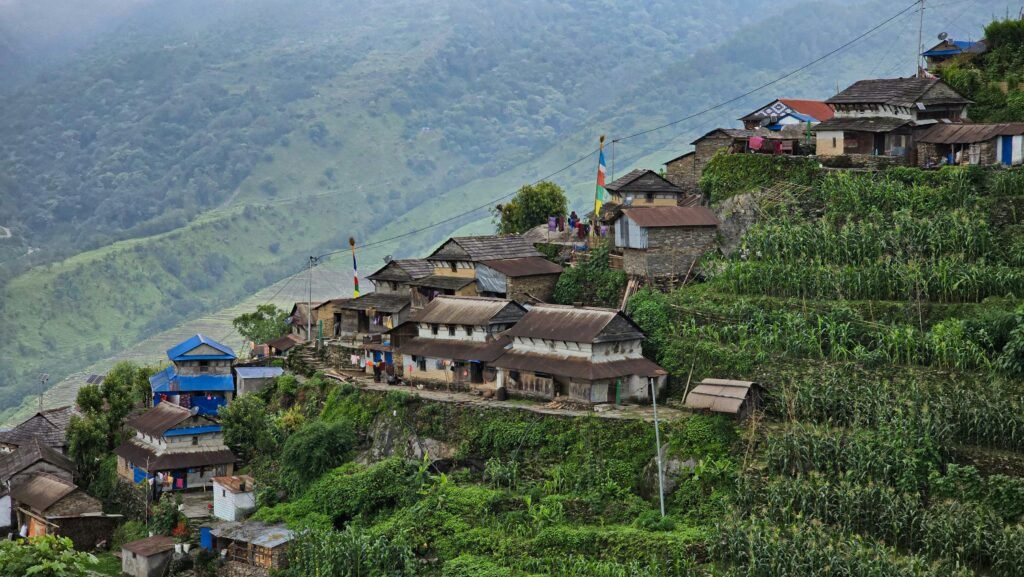
Two things, and they are real. The ethnic markets of the North-West — Bac Ha on Sunday, Can Cau on Saturday — have no equivalent elsewhere in Vietnam: people trade buffaloes there, not keyrings. And Fansipan, 3,143 metres, the roof of Indochina, which you climb in two days on foot or twenty minutes by cable car.The Muong Hoa valley, if you walk instead of staying in town, remains one of the most beautiful landscapes in the country: fifteen kilometres of terraces stepping down to the river, with Black Hmong and Red Dao hamlets.
What Pu Luong does better
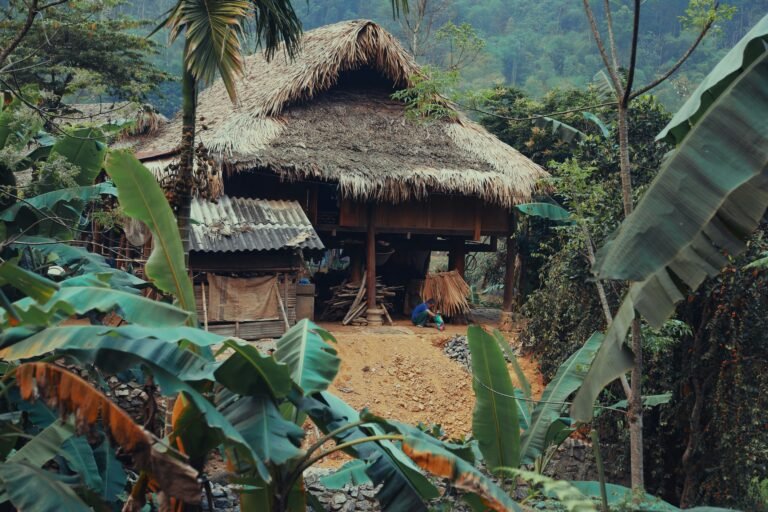
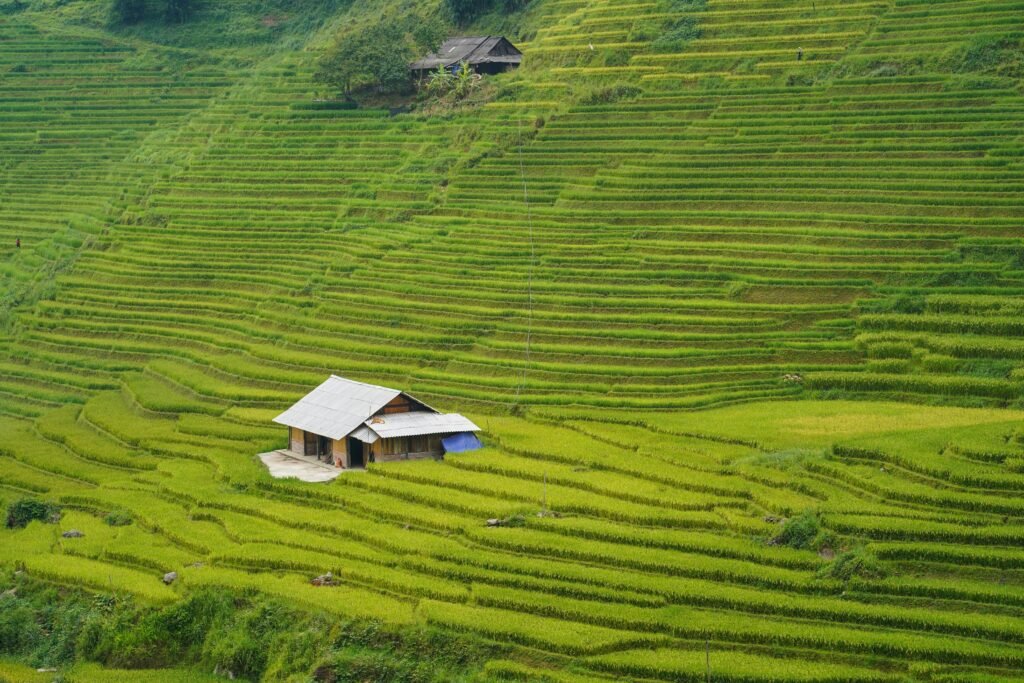
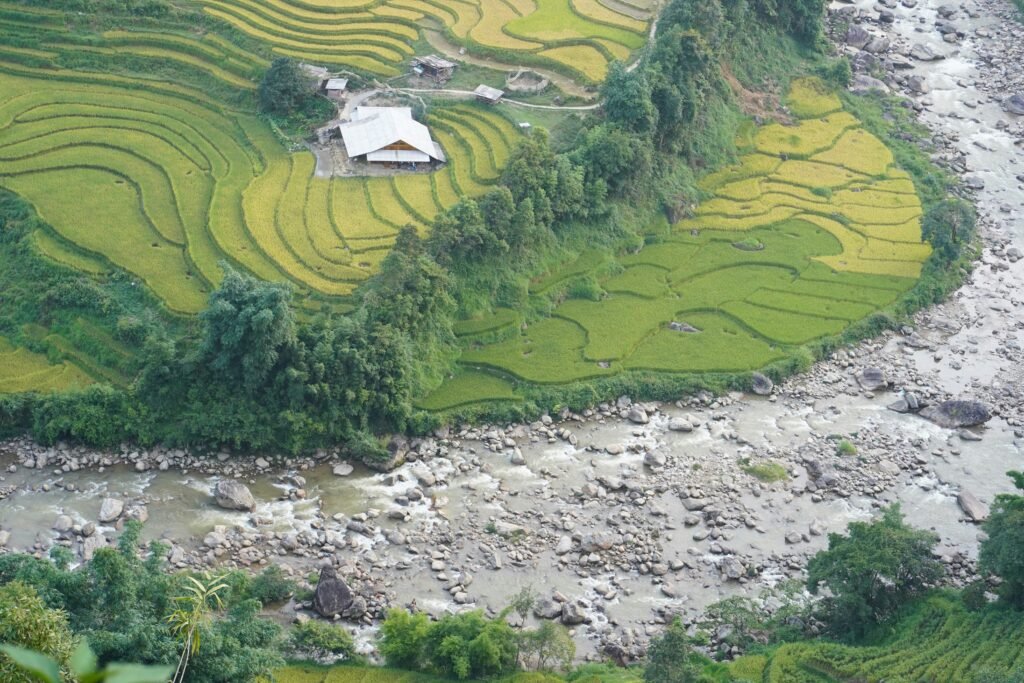
The valley is flat. That is rare in northern Vietnam, and it changes everything: you cycle for two hours between the rice fields without a single steep bit. With children or tired knees, the difference is decisive.Two harvests a year. Pu Luong produces two crops: the terraces turn golden in late May, then again in late September. Sa Pa offers only one window, of three weeks.The evenings. At Pu Luong, the lodge looks out on a valley with no artificial light and the only sound is the water mills. At Sa Pa, you hear the town.
The same terraces, two hours less on the road, and nobody has regretted it yet.
The budget, like for like
Item
Sa Pa
Pu Luong
Transfer from Hanoi
Longer, so more expensive by private vehicle
Shorter
Homestay night
Equivalent
Equivalent
Boutique lodge
Wide choice, from simple to very high-end
Limited choice but good standard
Hiking guide
Rates pushed up by demand
More stable
Total for two nights
Slightly higher
Slightly lower
The price gap between the two valleys is small. What really costs is time: two extra hours on the road each way to Sa Pa, i.e. half a day of travel lost on a fifteen-day tour.
Which season, for each one
The two destinations don’t follow the same curve through the year, and sometimes it is the season that decides more than anything else.Sa Pa is at its most spectacular twice a year: in May–June, when the terraces fill with water and become mirrors, and in September, when they turn gold before the harvest. In winter, from December to February, the mist sets in and it can freeze; the valley is beautiful but often invisible.Pu Luong follows a more even rhythm. Its rice fields give two harvests, with green from spring and yellow in June then again in September–October. The lower altitude spares it Sa Pa’s persistent mist, and it is pleasant all year except at the height of summer, hot and humid.In short: if your trip falls in winter, Pu Luong is the safest choice. If you go in September, Sa Pa and the North-West offer a landscape unmatched anywhere else in Vietnam.
Our recommendation
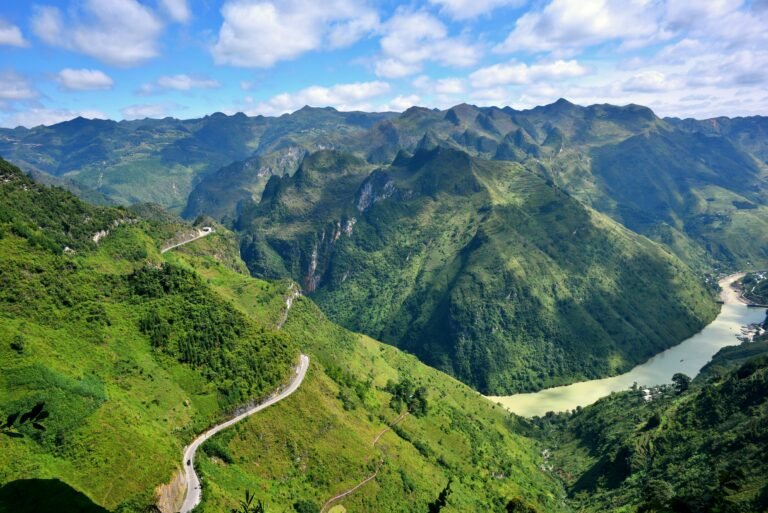
For a first two-week trip, we recommend Pu Luong without hesitation: two hours on the road saved each way, equivalent landscapes, and tourism still on a human scale.Sa Pa regains the advantage in three cases: if an ethnic market appeals to you, if Fansipan is part of the plan, or if you have three weeks and can afford both.There is a third option we often suggest: replace both with Ha Giang, more spectacular than either, at the cost of less comfort and a longer drive.
Two days there: what it looks like
In Sa Pa. The first day is usually spent walking down to the villages of the Muong Hoa valley — Lao Chai, Ta Van — on paths between the terraces, three to five hours of walking depending on pace, with lunch in a local home. The second day goes higher, to less visited hamlets, or takes the Fansipan cable car for those who want the summit without the ten hours of walking.In Pu Luong. The days alternate short walks and quiet time: a loop between Thai hamlets and their stilt houses in the morning, a bamboo raft trip down the Cham river in the afternoon, or simply a lodge’s infinity pool facing the valley. The pace is slower, deliberately.The difference fits in one sentence: in Sa Pa, you come to see ; in Pu Luong, you come to stay.
Three common mistakes
Sleeping in Sa Pa town. It is the mistake that ruins the stop. The town is concreted and noisy; the Muong Hoa valley, twenty minutes away, is another world.Coming for the rice fields out of season. In Sa Pa, they are only golden from mid-September to early October, and flooded from mid-May to early June. The rest of the year, the terraces are bare or green.Planning just one night. With five to six hours’ drive each way for Sa Pa, one night means a day and a half in the car for half a day there.
How many nights to plan
Two nights minimum in both cases, three if you want a real day of walking not counting transfers. Any less, and the road takes more time than the valley.For Sa Pa, the night is spent in the Muong Hoa valley, not in town: that is the condition for the stop to make sense.
With children
Pu Luong is easier with a family: a shorter journey from Hanoi, gentle walks, lodges with pools and rice fields all around. Sa Pa suits older children used to walking, who will be thrilled by the mountains, the markets and the Fansipan cable car. In both cases, a homestay night often remains their best memory.
And Mu Cang Chai or Ha Giang?
Mu Cang Chai offers the most spectacular terraces in the country, especially at the end of September, but requires a long drive. Ha Giang is the choice for grand mountain landscapes and dizzying roads, over three or four days at least. If you have the time and a taste for adventure, these two regions complement or replace Sa Pa; for a shorter first trip, Pu Luong remains the best compromise.
Our answer in one sentence
Pu Luong for gentleness, proximity and families; Sa Pa for high mountains, the H’mong and Dao peoples and real hiking. And if you have the time, the two combine very well in a week.
Audience measurement. We would like to know which pages are useful to you, using Google Analytics. Nothing is stored without your consent, and you can change your mind at any time. Learn more


 Off the beaten trackTrekking in the North-West — 11 daysHanoi — Mai Châu — Pu Luong — Nghia Lo — Mu Cang Chai — Thac Ba Lake — Hanoi11 days / 10 nightsfrom €1,650