What to do in Hoi An: old town, countryside and surroundings
A merchant town asleep for a century, lanterns, tailors and a lot of people. How to enjoy Hoi An at the right times, and what is worth the detour around it.
In brief
Ideal length
Three nights
Best times
Early morning and full-moon evenings
Around
Countryside by bike, An Bang beach, My Son sanctuary
Watch out
Flooding possible in October–November
Hoi An in a few words
From the 16th to the 19th century, Hoi An was one of the great merchant ports of South-East Asia, where Japanese, Chinese and European traders came to wait for the monsoon. When the Thu Bon river silted up and trade moved to Da Nang, the town fell asleep — and it is that sleep that preserved it almost intact. The old town is a UNESCO World Heritage Site.It is also the busiest stop in the Centre. The whole art of Hoi An lies in visiting at the right times, and getting out of it.
How long to stay
Three nights is the right format. One day for the old town, one day for the surroundings — countryside, beach or the My Son sanctuary — and a free half-day for a tailor, a cooking class or nothing at all. Two nights are enough if time is short; any less and you only see the crowds.
The old town, at the right times
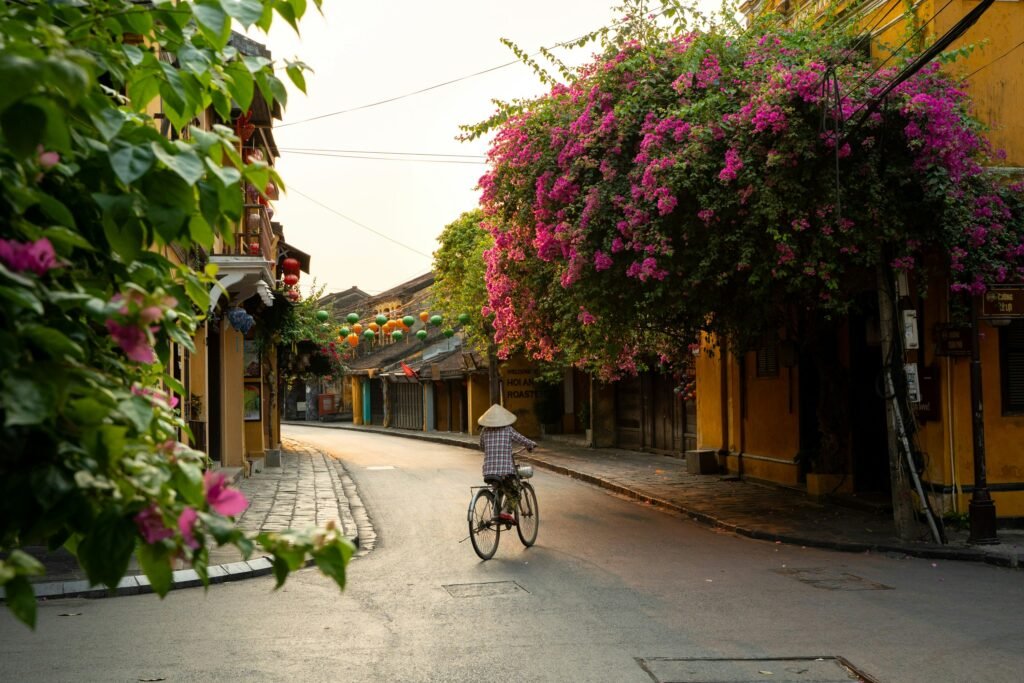
Early in the morning, before eight, the alleys belong to the residents: the riverside market, cafés opening, low light on the yellow façades. In the late afternoon and evening, the lanterns light up and the town becomes very busy. The middle of the day, hot and crowded, is better spent in the shade.Entry to the old town is with a ticket giving access to a selection of old houses, Chinese community assembly halls, temples and small museums. The price for foreigners is around 120,000 dong, about four to five euros, and the money goes towards maintaining the site. The Japanese covered bridge, emblem of the town, is among the monuments included.Don’t try to see everything: three or four houses, an assembly hall such as the Cantonese or Fujian one, and the covered market are enough to understand the town.
The lanterns and the full-moon night
Every month, on the evening of the fourteenth day of the lunar calendar, the old town switches off part of its electric lighting and lives by lantern light. Floating candles are set on the river. It is beautiful and very busy; if your stay falls on that evening, sleep in the old town or close by, so you can stay late without depending on a transfer.
Around Hoi An
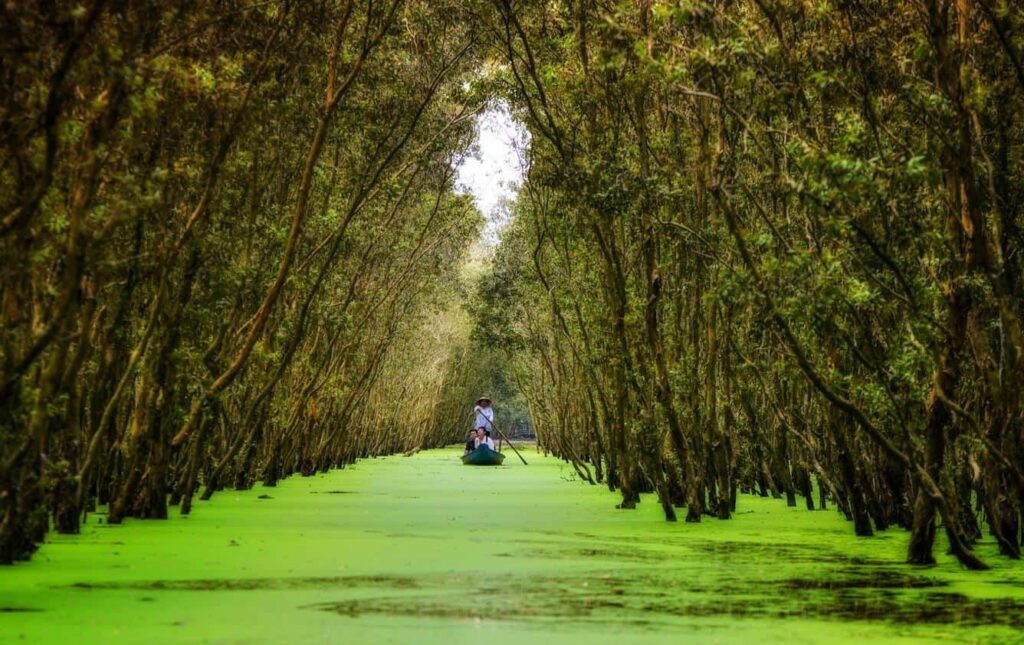
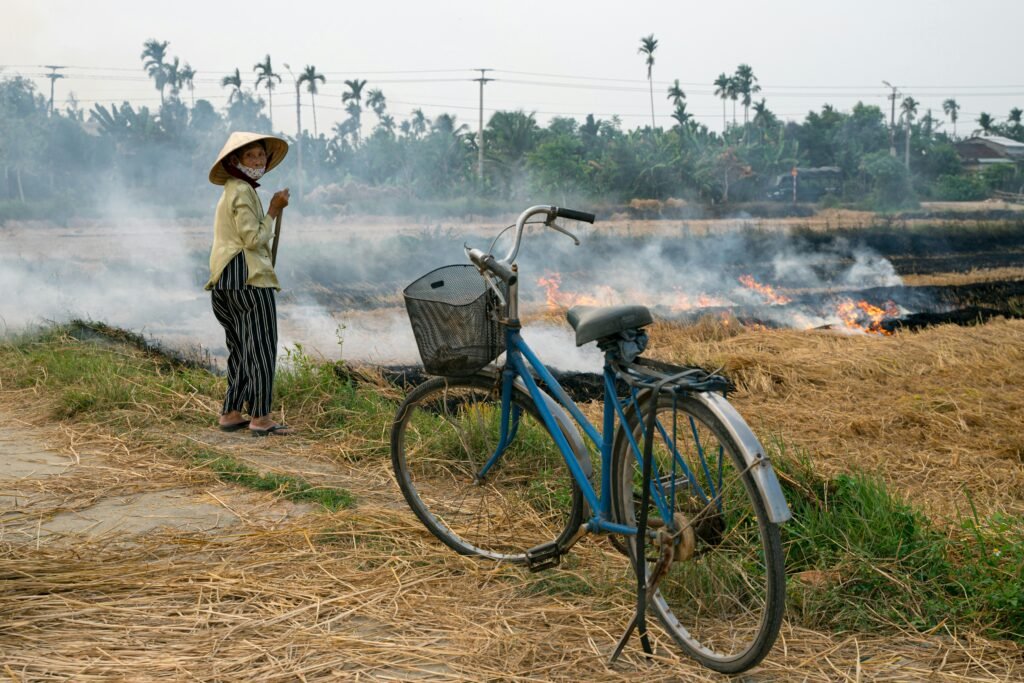
The countryside by bike. Rice fields, market-garden villages such as Tra Que, riverbanks: ten minutes from the old town, the landscape changes completely. It is often the morning our travellers like best.The Cam Thanh coconut forest. You explore it by basket boat among the water palms. The place has become very touristy; going early in the morning, with a boatman who doesn’t put on a show, changes everything.The beach. An Bang and Cua Dai are a few kilometres away. Swimming is pleasant from March to August; from October to December, the sea is rough.My Son. The Cham sanctuary, an hour’s drive away, brings together brick temples from the 4th to the 13th century in a jungle valley. Go at opening time, before the heat and the groups.
Tailors, food and shopping
Hoi An is famous for its tailors, able to make a suit or a dress in twenty-four to forty-eight hours. Quality varies enormously from one shop to another. Order on the first day to leave time for two fittings, bring a garment you like as a model if possible, and check the fabric by touch rather than by the label.The local food alone is worth the trip: cao lầu, thick noodles unique to the town, bánh mì, “white rose” dumplings. A cooking class with a market visit is a good way to spend a morning.
Hoi An’s two faces: the town and the countryside
The old town is only a small part of Hoi An. Around it stretches a countryside of rice fields, market gardens and river channels, where life still follows the rhythm of the seasons. The village of Tra Que has grown the aromatic herbs that flavour the local cooking for generations, fertilised with river algae. Families there offer to work for an hour in the vegetable garden and then cook what you have picked.Further on, Cam Kim island, across the river, is home to villages of carpenters and boatbuilders. A ferry links it to the old town in a few minutes, and you rarely meet another traveller there. That is often where we take our travellers by bike on the second morning, when the old town starts to fill up.
Hoi An with children
Hoi An is one of the best stops in the country for children: short distances, pedestrian streets in the historic heart, a beach fifteen minutes away, pools at many hotels. The basket boat, cycling in the countryside and making a lantern in a workshop are activities that work at any age. Just plan to visit the old town early in the morning and keep the pool for the hot hours.
An Bang and Cua Dai beaches
A few kilometres from the old town, An Bang beach is the most pleasant: pale sand, small fish restaurants and a relaxed atmosphere, reachable by bike through the rice fields. Cua Dai beach, further south, has suffered greatly from erosion in recent years. The sea is calmest from March to August; in autumn and winter, waves and currents make swimming tricky.
The Cham Islands
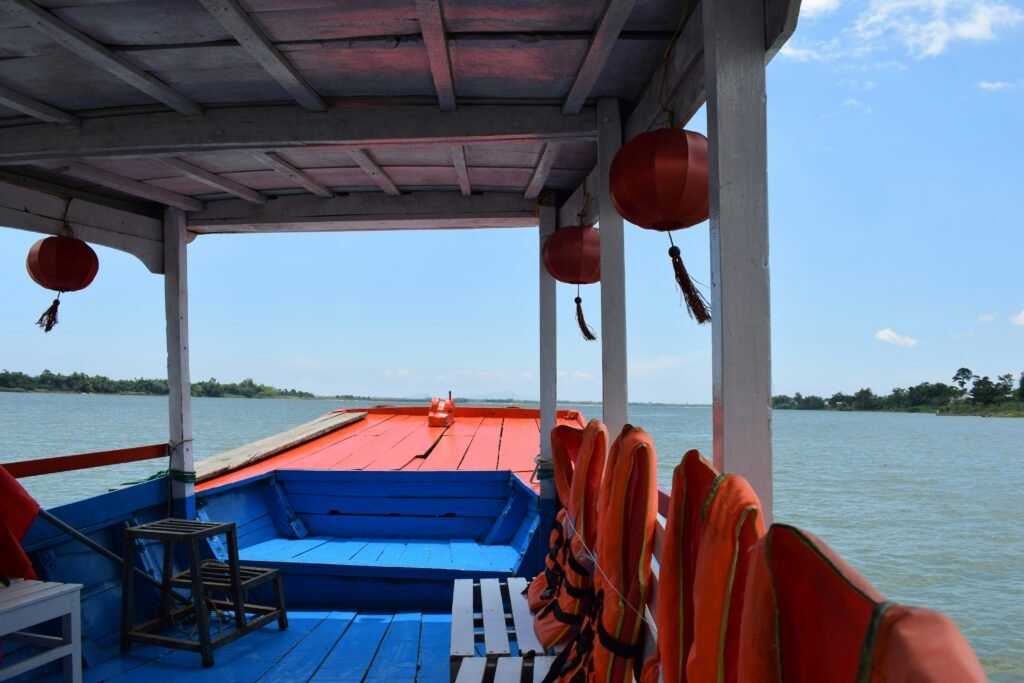
About forty minutes by boat, the Cham Islands form a protected marine reserve, with beaches, a small fishing village and waters where you can snorkel. The trip is done as a day excursion, from March to September, when the sea is calm. Choose an operator that respects the reserve’s rules and avoids large groups.
Tra Que and Thanh Ha
Two villages complement the old town very well. Tra Que grows the aromatic herbs that flavour all of Hoi An’s cooking: you stroll between plots of mint and basil, and can take a cooking class there. Thanh Ha, by the river, is a potters’ village where clay is still shaped by hand. Both can be reached by bike in a morning.
When to go to Hoi An
From February to August, the weather is dry and hot, with very hot months in June and July. From September to December, the Centre gets most of its rain, and the old town can flood for a few days, especially in October and November. You can go in this season, shortening the stop and keeping a margin in the programme.For sleeping, the old town and its immediate surroundings are the most practical for a first visit; guesthouses between rice fields and beach offer more calm, ten minutes away by bike.To choose where to stay and how many days, see also our practical guide to Hoi An.
Audience measurement. We would like to know which pages are useful to you, using Google Analytics. Nothing is stored without your consent, and you can change your mind at any time. Learn more




 The essentialsVietnam in 15 daysHanoi — Pu Luong — Ninh Binh — Lan Ha Bay — Hue — Hoi An — Saigon — Mekong Delta15 days / 14 nightsfrom €2,070