Too many stops, the wrong region in the wrong month, the cheapest junk, a scooter without a licence. The ten mistakes we see every season, and how to avoid them.
In brief
The most common mistake
Too many stops for too few days
Our rule
One stop every two days on average
Check
Passport valid for six months, Tết dates
To avoid
A scooter without a valid licence
The mistakes we see every season
We build trips to Vietnam all year round, and the same mistakes come back from one season to the next. None is serious in itself. Put together, they turn a beautiful trip into an exhausting race. Here are the ten most common, and how to avoid them.
1. Wanting to see everything in ten days
Vietnam stretches more than 1,600 kilometres from north to south. Ten days for the North, the Centre, the South, the mountains and a beach means one night per stop and every other day on the road. Better three regions seen well than six skimmed: our rule is never to change hotel more than once every two days on average.
2. Thinking it is hot everywhere, all the time
In January, it is fifteen degrees in Hanoi, almost zero at night in the mountains, and thirty-two in Saigon. In October, the North is splendid while the Centre gets its heaviest rain. The country has three climates: the right question isn’t “when to go to Vietnam”, but “in what order to visit the regions on my dates”.
3. Neglecting the formalities
French citizens are exempt from a visa for a 45-day tourist stay, but the passport must be valid for at least six months after the date of entry. Beyond 45 days, or for other nationalities, you need an e-visa, applied for only on the official portal: intermediary sites charge two to three times more for the same form.
4. Arriving in the morning and heading for the bay the next day
Flights from Europe often arrive early in the morning, after a very short night. Following up the very next day with three hours on the road and a night on a junk means paying a lot for a stop you won’t enjoy. Keep at least two nights in Hanoi or Saigon at the start.
5. Choosing the cheapest junk
For the same bay, the price of a night on board can double. The difference is paid in crowding, noise, an overcrowded route and mediocre food. It is the only item of the trip where we advise against looking for the lowest price.
6. Renting a scooter without a licence
A French driving licence isn’t valid in Vietnam for riding a two-wheeler, nor are most other foreign licences, and travel insurance generally doesn’t cover an accident without a valid licence. It is the leading cause of hospitalisation among foreign travellers. If you want the experience, get someone to drive you: local motorbike drivers are available everywhere.
7. Changing all your money at the airport
The rate is worse at the airport than in town, and there is no reason to arrive with wads of cash. Withdraw a first amount from an ATM on arrival, choosing to pay in dong rather than in your home currency when the machine offers a conversion. Watch the zeros: a 500,000 note and a 50,000 note look alike.
8. Forgetting Tết
The lunar new year falls between late January and mid-February. For several days, many businesses close, transport is full and prices rise. That isn’t a reason to avoid it — the atmosphere is unique — but you need to know when booking, and not discover on arrival that half the programme is closed.
9. Eating only in tourist restaurants
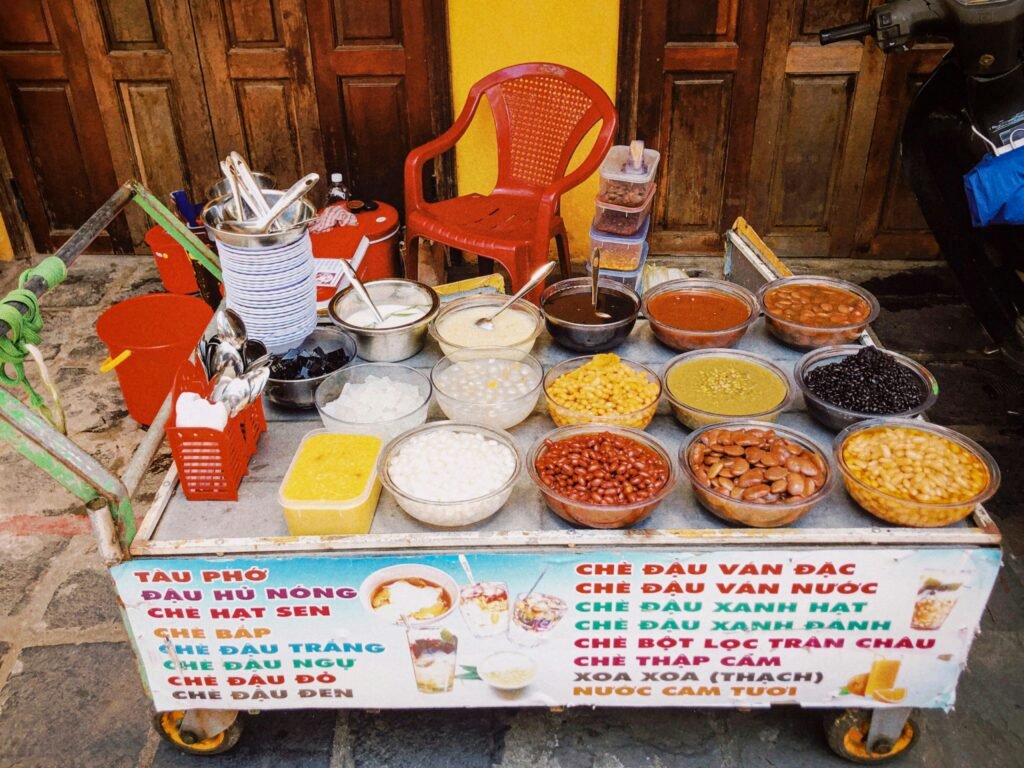
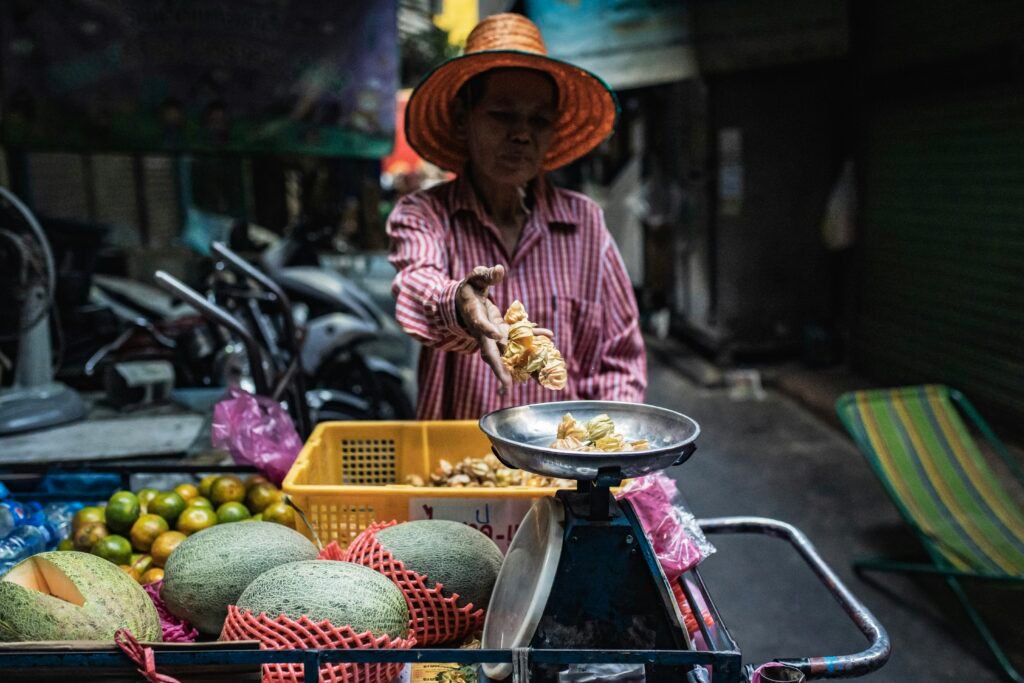
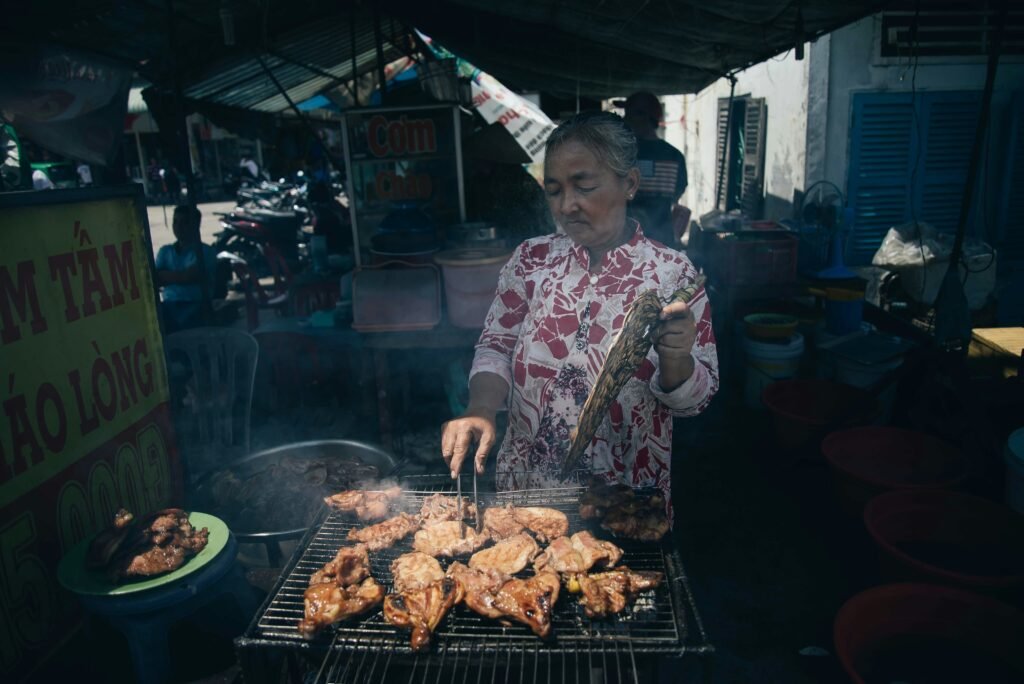
Street food is the best in the country, and rarely the riskiest: a stall serving piping-hot phở to a hundred customers a morning is safer than a lukewarm hotel buffet. Follow the places full of Vietnamese people, avoid dubious ice and tap water.
10. Leaving no free day
A programme packed from the first day to the last leaves no room for what often makes the best memory: a market discovered by chance, a café where you stay two hours, an unexpected invitation. Keep at least a free half-day every three or four days. It isn’t wasted time, it is travel time.
Bonus: three good habits
Install two apps before you leave: a ride-hailing app, which shows the price before the ride and avoids any haggling, and a translation app with Vietnamese downloaded for offline use. A local eSIM, bought before or on arrival, does the rest.Learn five words: hello, thank you, how much, delicious, goodbye. Nobody expects you to speak Vietnamese; the few words you dare to use will change the welcome, especially at markets and in villages.Dress for the place: shoulders and knees covered in pagodas, temples and at the Ho Chi Minh Mausoleum; shoes off before entering someone’s home. A thin scarf in your backpack solves the question in two seconds.
Money mistakes
The Vietnamese dong has a lot of zeros, and some notes look alike in colour, such as the 20,000 and 500,000 dong notes: always check before paying. Also keep cash in small denominations for markets, the countryside and tips, even though card and QR code payments are common in the cities. Finally, withdraw money from the ATMs of major banks, choosing to be charged in dong rather than euros.
Pacing mistakes
Following a night on a junk with an early flight the next morning. Keeping no margin before the international flight, when a drive from the bay or Ninh Binh can take longer than expected. Placing the longest visits in the hottest hours. These are quiet mistakes, but they are very tiring over two weeks.
Clothing mistakes
Arriving at the Hô Chi Minh Mausoleum or a pagoda in shorts and a vest top, and having to stay outside. Forgetting that it can be cold in Hanoi in December or in Sa Pa in the evening all year round. Setting off without a hat or sun cream in the South. An outfit that covers shoulders and knees, a warm layer and a hat solve the problem.
Communication mistakes
Raising your voice when something goes wrong: in Vietnam, losing your temper means losing face, and the problem is solved much better with a smile. Taking a yes as firm agreement, when it sometimes only means I heard you. Your guide is there to bridge the gap: do not hesitate to go through them.
In short
Fewer stops, more margin, suitable clothing and plenty of patience: with these four rules, most of the mistakes on this list disappear on their own.
What a local agency changes
Most of these mistakes come from a programme built at a distance, from maps and lists of sites. An agency based on the ground knows the real journey times, each region’s weather on your dates, the junks that are worth their price and the stops that aren’t worth an extra flight. That is what we do for every trip: start from your dates and wishes, then remove whatever would turn your trip into a race.
How many days do you need for a first trip to Vietnam?
Twelve to fifteen days to cross the country without rushing. In ten days, it is better to focus on two regions.
Do you need a visa for a first trip?
Not if you are French, for a tourist stay of up to 45 days, with a passport valid for six months after entry. Beyond that, an e-visa on the official portal. Other nationalities should check the rules for their passport.
Can you rent a scooter with a foreign driving licence?
No: a French licence, like most foreign licences, isn’t valid for riding a two-wheeler in Vietnam, and travel insurance generally doesn’t cover an accident without a valid licence.
Is street food dangerous?
Rarely, if you choose very busy stalls and dishes served piping hot, and avoid tap water.
Putting it into practice
The tours where you experience what this article is about
Audience measurement. We would like to know which pages are useful to you, using Google Analytics. Nothing is stored without your consent, and you can change your mind at any time. Learn more




 The essentialsVietnam in 15 daysHanoi — Pu Luong — Ninh Binh — Lan Ha Bay — Hue — Hoi An — Saigon — Mekong Delta15 days / 14 nightsfrom €2,070