J’aime le Vietnam

Where to stay

Homestays in Vietnam: what the word really covers

The word homestay refers in Vietnam to three very different things: a real room in a family home, the stilt-house dormitory for groups, and the small boutique hotel that has kept the word for its evocative power. Knowing which one you are booking changes everything.

In brief

Budget
€8 to €20 a night with meals in a family home, €25 to €60 for a boutique homestay
Where it works best
Mai Châu, Pu Luong, Ha Giang, Ninh Binh, the Mekong Delta
How many nights
One or two in a row, no more: it is intense
The real criterion
Does the family eat with you, or serve you separately?
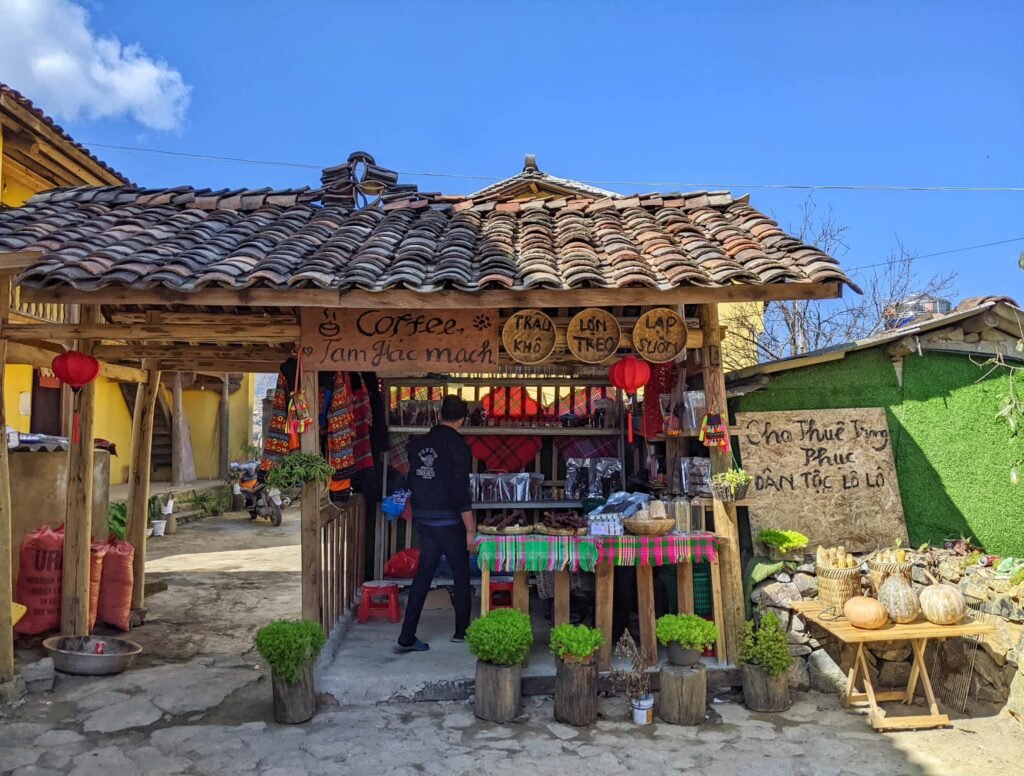
Vietnam homestay — Homestays in Vietnam

Three things share the same name

What you findWhat it really isPrice/night
Room in a family homeOne family, two to four rooms, meals eaten together8 – 20 €
Communal stilt houseA shared floor, mattresses in a row, mosquito nets, ten to thirty people5 – 10 €
Boutique homestaySmall family hotel: private rooms, bathroom, often a pool25 – 60 €
Eco-lodgeCharacterful hotel in a rural setting, with no family connection60 – 200 €
The first three categories appear under the same word on booking platforms, and it is the main source of disappointment. A traveller who books a “homestay” imagining the family table and gets a decent room with breakfast served alone hasn’t been misled: they booked the third category.

The deciding question

A single question tells you which one you are booking: does the family eat with you? If yes, it is a real homestay. If meals are served at a separate table, it is a small guesthouse — which can be very nice, but it isn’t the same experience.

Where the formula works best

RegionWhat you find thereWhat you experience there
Mai ChâuWhite Thai stilt housesThe oldest hosting tradition in the country, sometimes very organised
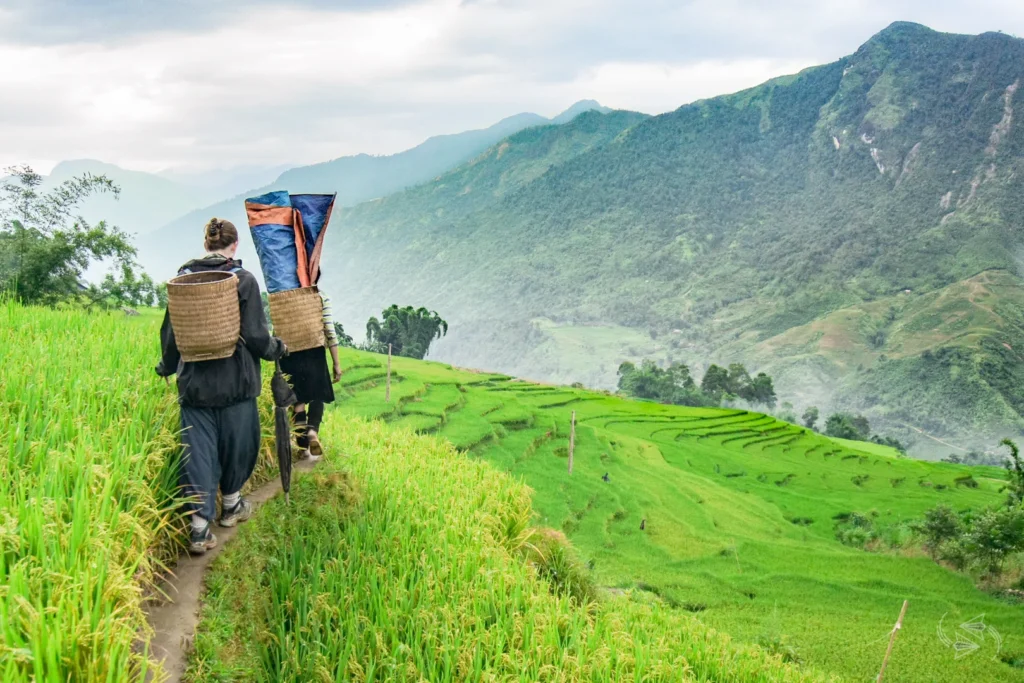
Pu LuongValley houses and bamboo lodgesTerraced rice fields, water wheels, few people
Ha GiangHmong and Tay rammed-earth housesThe roughest and the most powerful. Cold in winter
Ninh BinhVillage houses among the karst peaksDecent comfort, cycling straight from the door
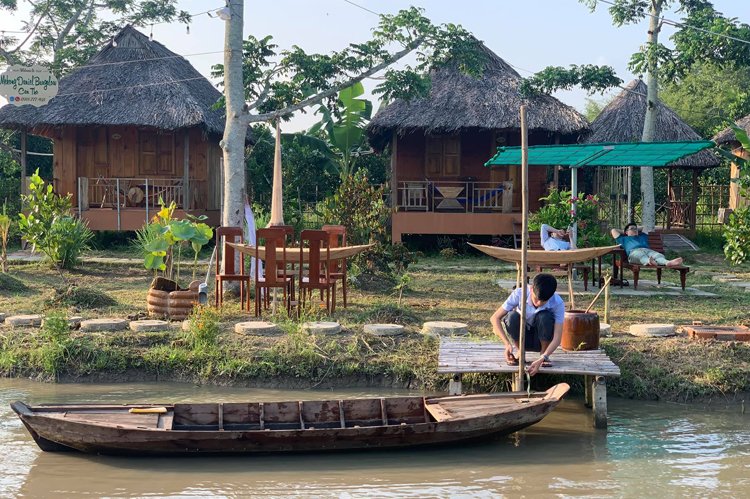
Mekong DeltaOrchard houses on the creeksA boat at dawn, Southern cooking, humid heat
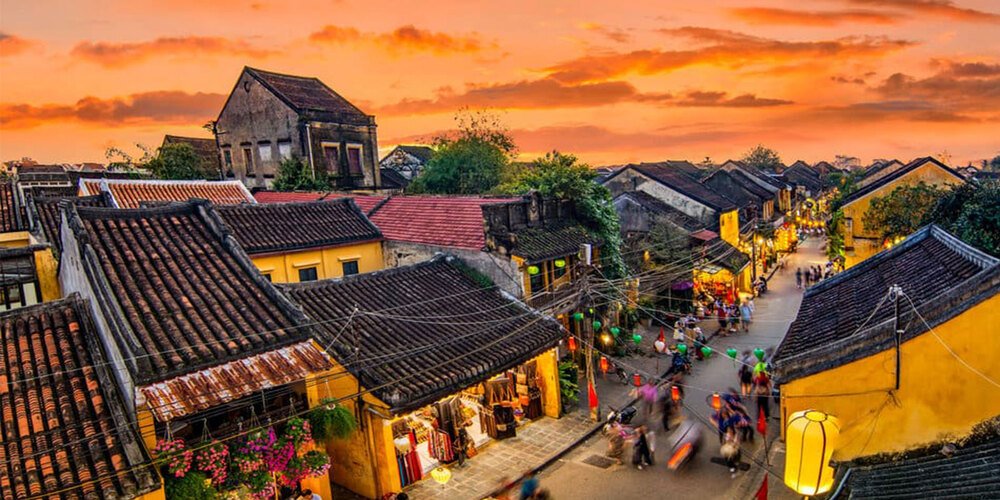
Hoi An (countryside)Houses between rice fields and riverThe easiest compromise: countryside fifteen minutes from town
An honest note on Mai Châu and Sapa: these are the two places where homestays have become most industrialised. You can still find very beautiful houses, but also villages entirely rebuilt for hosting, with a dance show in the evening. If authenticity is what you are after, Pu Luong, Ha Giang and the Mekong keep the promise better.
Homestays in Vietnam

What a night is like

The rhythm is the household’s, not yours: dinner around half past six, early to bed, and the village wakes up with the roosters, often before five.
TimeWhat happens
4pm – 5pmArrival, tea, you are shown your corner
5.30pmOften a short walk, or helping in the kitchen
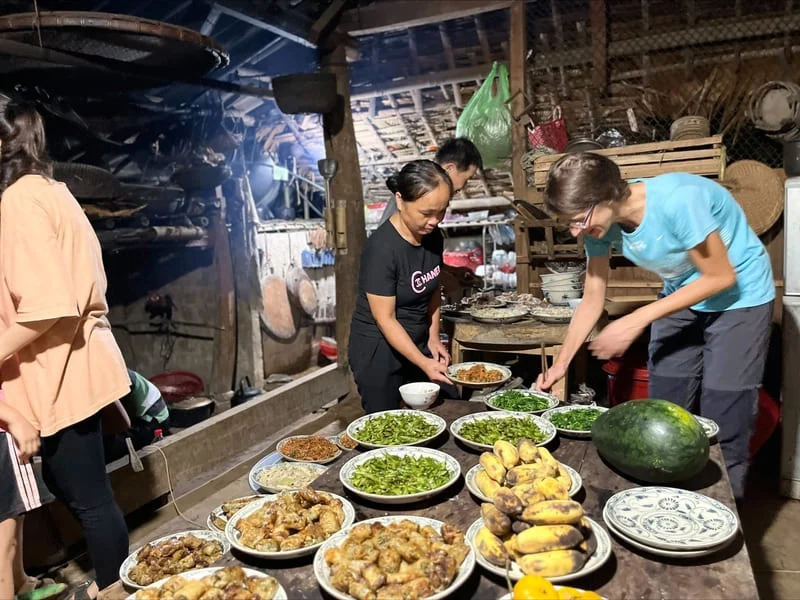
6.30pmShared meal, six to eight dishes shared in the middle
7.30pmRice wine if there are guests. Hard to refuse, easy to pace
9pmLights out. The Vietnamese countryside sleeps early
5amRoosters, kitchen, engines. Earplugs useful
The meal is the heart of the experience. All the dishes arrive together in the middle of the mat, everyone helps themselves into their rice bowl, and the host fills yours without asking. Leaving a little rice at the end means you have had enough; an empty bowl will be refilled.

The real comfort, frankly

ItemHomestaysBoutique homestay
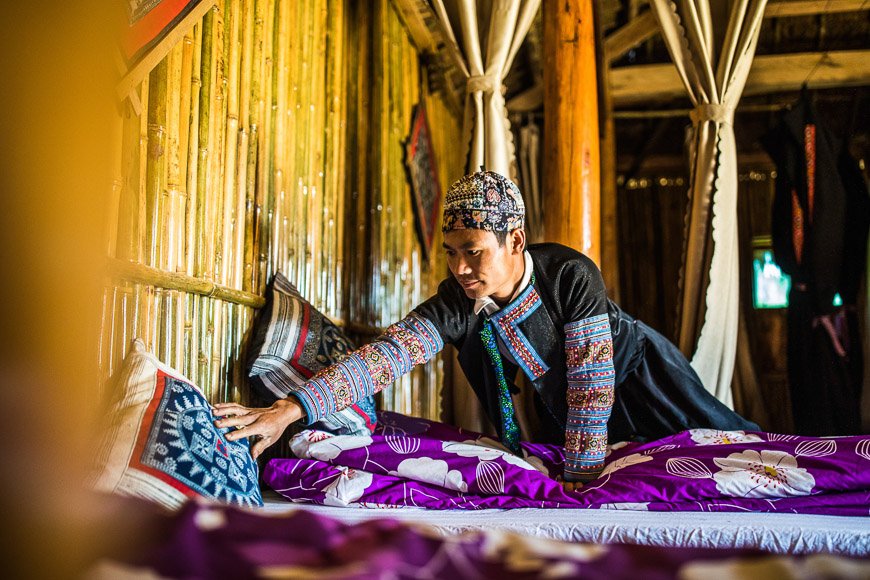
BedThin mattress on the floor, mosquito netReal bed, sheets changed
BathroomShared, often outsidePrivate
Hot waterSolar water heater, very variableReliable
HeatingNone. Ha Giang drops to 5°C in JanuaryRare, but blankets provided
Air conditioningRarely. A fanAlmost always
ElectricityPossible power cuts in the mountainsGenerator common
Wi-FiOften yes, often slowFair
PrivacyLittle: wooden partitions, a floor that echoesNormal
Two points come up in all our travellers’ feedback: the cold and the noise. A stilt house isn’t insulated; from November to February, in the mountainous North, nights are genuinely cold and blankets aren’t always enough. Bring a fleece, a thin beanie and earplugs: those three things make the difference between a good night and a sleepless one.
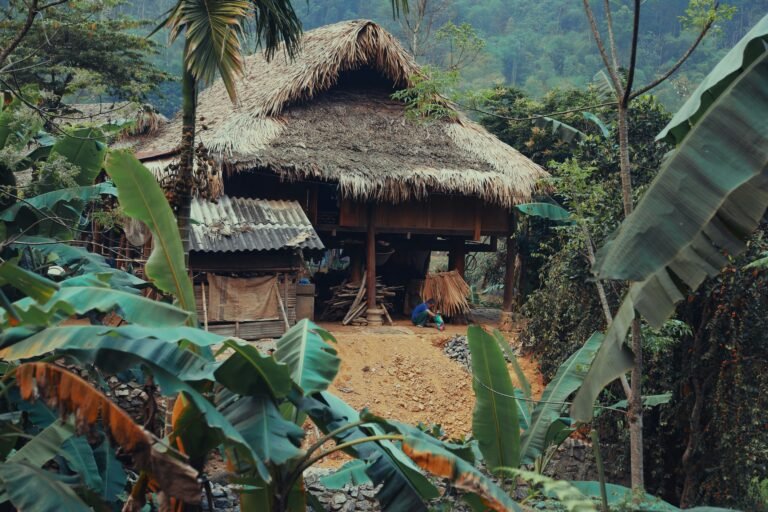
Sa Pa — Homestays in Vietnam

How many nights, and where to put them

One or two nights in a row, no more. It isn’t a question of comfort but of intensity: living to the rhythm of a family whose language you don’t speak requires constant attention, and by the third night most travellers are tired.
Trip lengthRecommended homestay nights
10 days1 night
15 days2 nights, not consecutive
3 weeks3 to 4 nights, split between North and South
Place them after the third or fourth day, never on arrival: with jet lag, a first night on a thin mattress surrounded by roosters leaves a bad memory. And avoid putting one the night before a long drive.
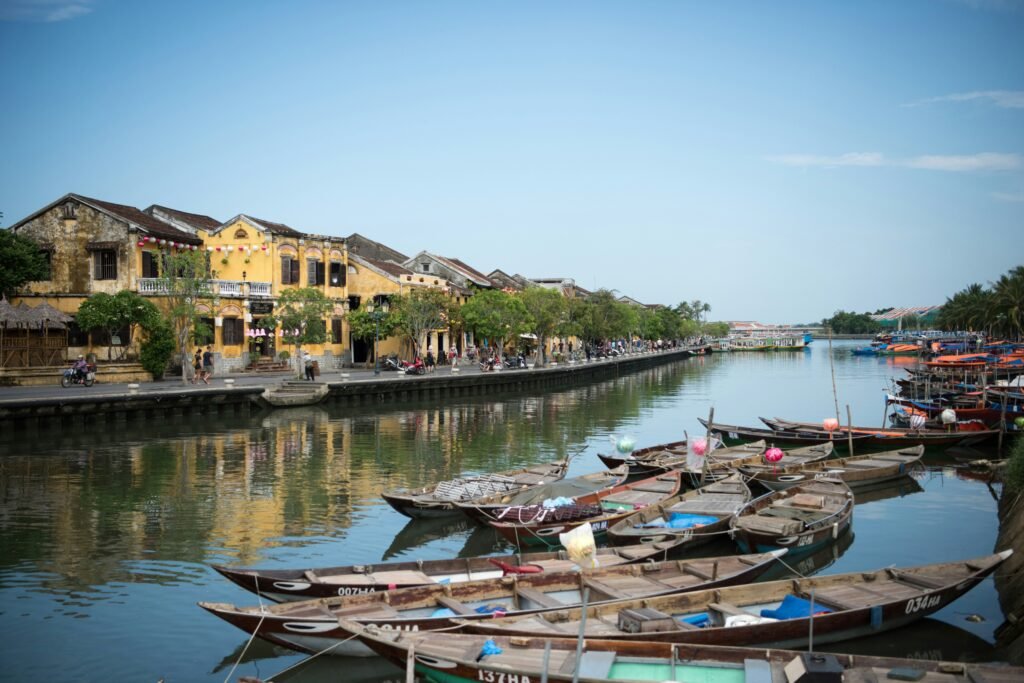
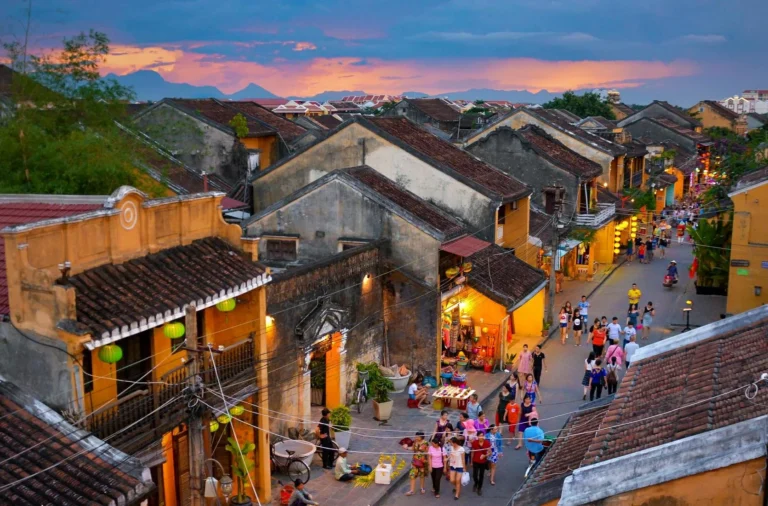
Hoi An homestay — Homestays in Vietnam

What the family expects of you

DoTo avoid
Take your shoes off before stepping on the floorCome in with your shoes on, even for a second
Greet the oldest person firstAddress the person who speaks English first
Taste everything, even a littleRefuse a dish without touching it
Accept the first glass of rice wineRefuse straight away: it is a gesture of welcome
Ask before taking photosPhotograph children without a glance at the parents
Bring fruit or teaGive money or sweets to children
Covering clothes in the mountainsVest top or short shorts in a Hmong home
On gifts: the custom is to bring something for the household, not for individual children. Fruit, tea, something from your home region. Handing out money or sweets to children, even with good intentions, sets up a begging relationship that heavily visited villages already suffer from.

Tipping

It isn’t expected but it is welcome: one to two hundred thousand dong per person, handed to the eldest with both hands when you leave.

Booking: platform, agency, or on the spot

RouteAdvantageLimitation
Online platformsWide choice, plenty of reviewsThe word homestay there mostly means small hotels
On the spot, same dayCheapest, most spontaneousNo guarantee, difficult without a word of Vietnamese
Through a local agencyVetted houses, translation, the family is forewarnedA little more expensive
What we check before adding a house to our programmes: that the family eats with the travellers, that it hosts at most two groups a week, that it is paid directly and not through a village middleman, and that there is a fallback if the water is cut off. None of these four points can be read on any online listing.And one last tip, the one our guides repeat most: don’t stay in your room between arrival and dinner. Go down, sit near the kitchen, offer to peel something. That is where, not at the table, the real homestay happens.
Mekong homestay — Mekong Delta — Homestays in Vietnam

In one sentence

One or two well-chosen homestay nights are often enough to turn a trip into a real memory of encounters.

Recommended tour

The trip that goes with this article

A question?

A question about this stop?

Write to us on WhatsApp; you’ll get a reply the same day.

Request a quote →

All our practical guides

All our practical guides

See the practical information →

Frequently asked questions

What is a homestay in Vietnam?

The word covers three things: a real room in a family home with shared meals, the communal stilt house with a dormitory, and the small family hotel that has kept the word. The deciding question: does the family eat with you?

How much does a homestay night cost?

Eight to twenty euros per person including meals with a real family, five to ten euros in a stilt-house dormitory, twenty-five to sixty euros in a boutique homestay.

Where is it most authentic?

Pu Luong, Ha Giang and the Mekong Delta. Mai Châu and Sapa still have beautiful houses but hosting there has become largely industrialised.

How many homestay nights should you plan?

One or two in a row at most. Living to the rhythm of a family whose language you don’t speak requires constant attention, and the third night tires most travellers.

Is it comfortable?

Thin mattress on the floor, mosquito net, shared bathroom often outside, no heating or air conditioning. The two most cited difficulties are the cold from November to February in the North and the noise from five in the morning.

What should you bring?

A fleece, a thin beanie and earplugs. Those three things make the difference between a good night and a sleepless one.

Should you bring a gift?

Yes, something for the household: fruit, tea, something from your home region. Avoid giving money or sweets to children, which sets up a relationship that heavily visited villages already suffer from.

Do you leave a tip?

It isn’t expected but it is welcome: one to two hundred thousand dong per person, handed to the eldest with both hands when you leave.

Putting it into practice

The tours where you experience what this article is about

Family holidays

Vietnam with the family — 15 days

Goes through Hoi An and the Mekong Delta

Hanoi — Ninh Binh — Lan Ha Bay — Hoi An — Mekong Delta — Saigon

15 daysfrom €1,250

See the programme →

The essentials

Vietnam in 3 weeks

Goes through Ha Giang, Pu Luong and Hoi An

Hanoi — Hà Giang — Đồng Văn — Pu Luong — Ninh Binh — Lan Ha Bay — Hue — Hoi An — Saigon — Mekong Delta

21 daysfrom €2,690

See the programme →

Off the beaten track

Pu Luong and the delta villages — 8 days

Goes through Pu Luong and Mai Chau

Hanoi — Craft villages — Ninh Binh — Pu Luong — Mai Châu — Hanoi

8 daysfrom €1,150

See the programme →

See our 14 tours →

A quote costed line by line, free

Tell us your wishes and your dates: a French-speaking adviser based in Hanoi replies within 24 working hours, with no obligation.

Scroll to Top
Search