Rice terraces of Vietnam: where and when to see them golden
There isn’t one golden rice-field season but several, four months apart depending on the region — and the most beautiful isn’t the one you think. Dates region by region, the water-mirror season, and why a four-day shift changes everything.
In brief
Golden rice fields
Mid-September to early October in the North-West
Water mirrors
Mid-May to early June, quieter and less photographed
Where
Mu Cang Chai, Sa Pa, Ha Giang, Pu Luong
Why terraces
A response to slope and water, not decoration
When are the rice fields golden in Vietnam?
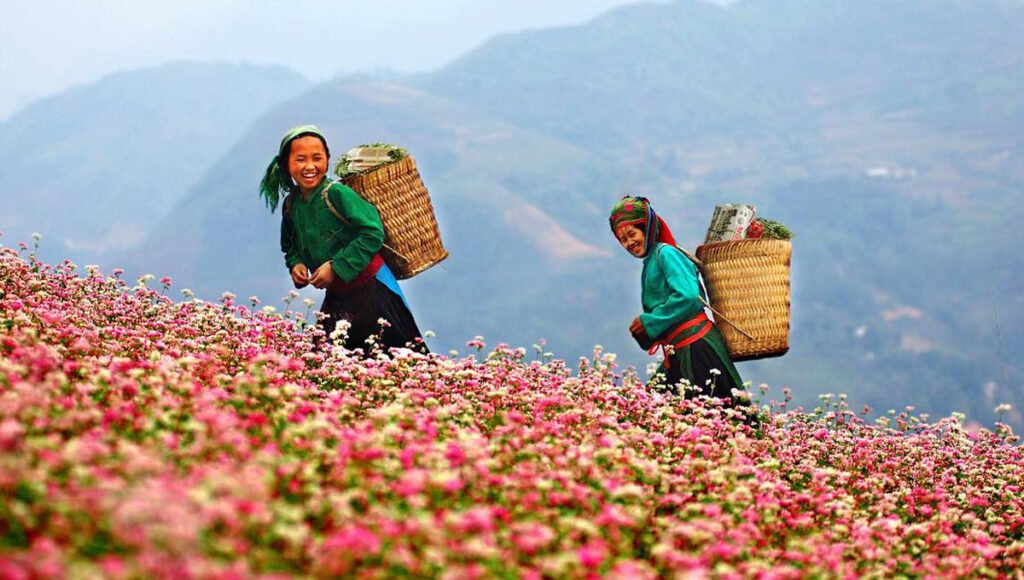
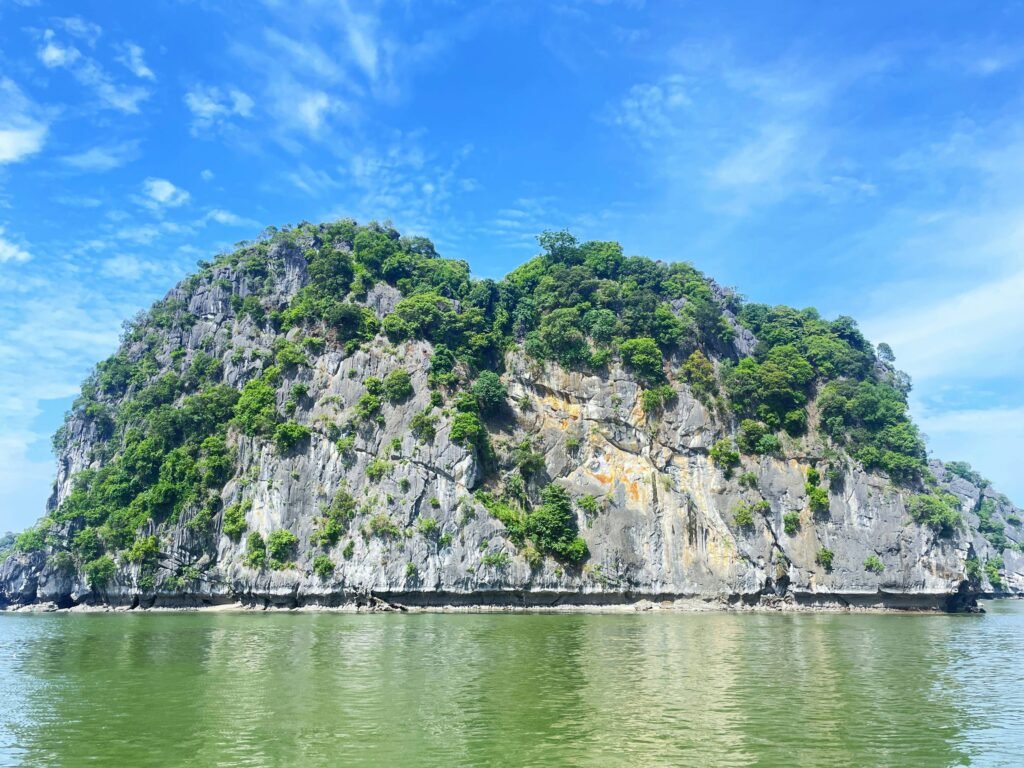
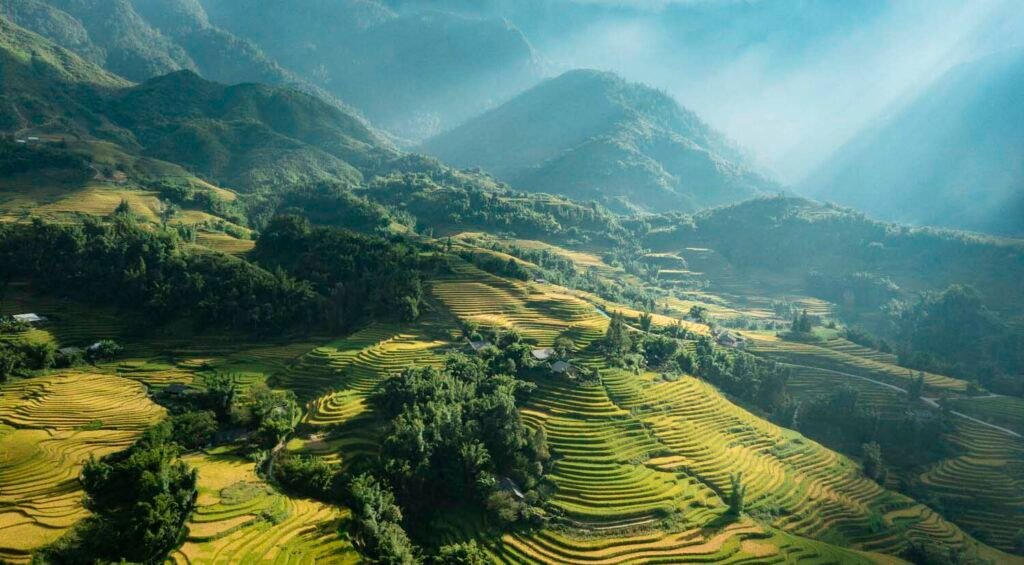
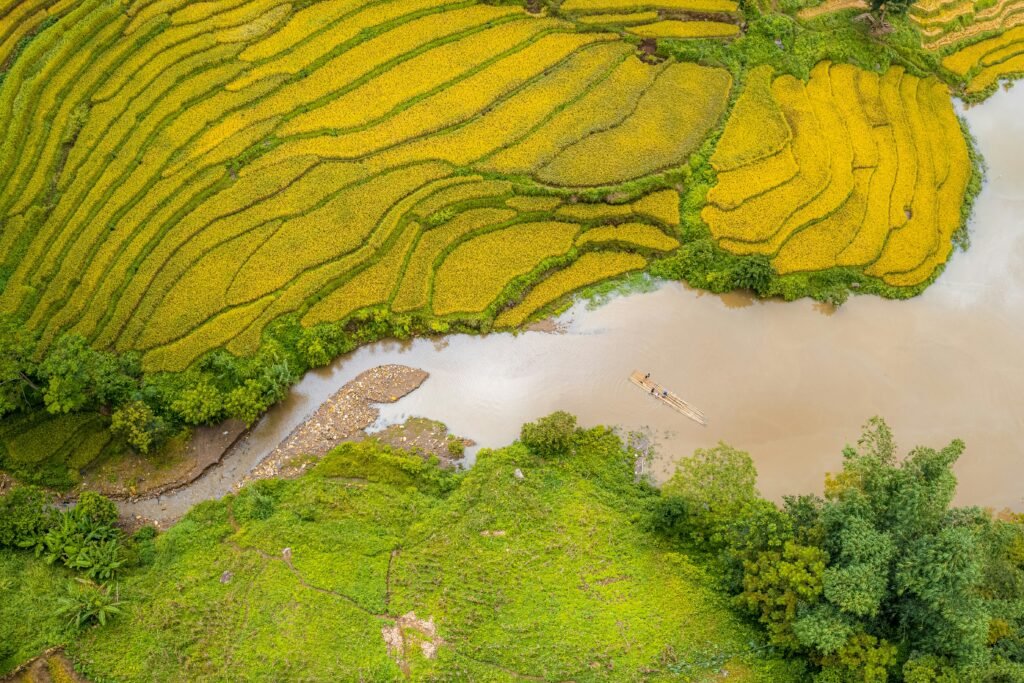
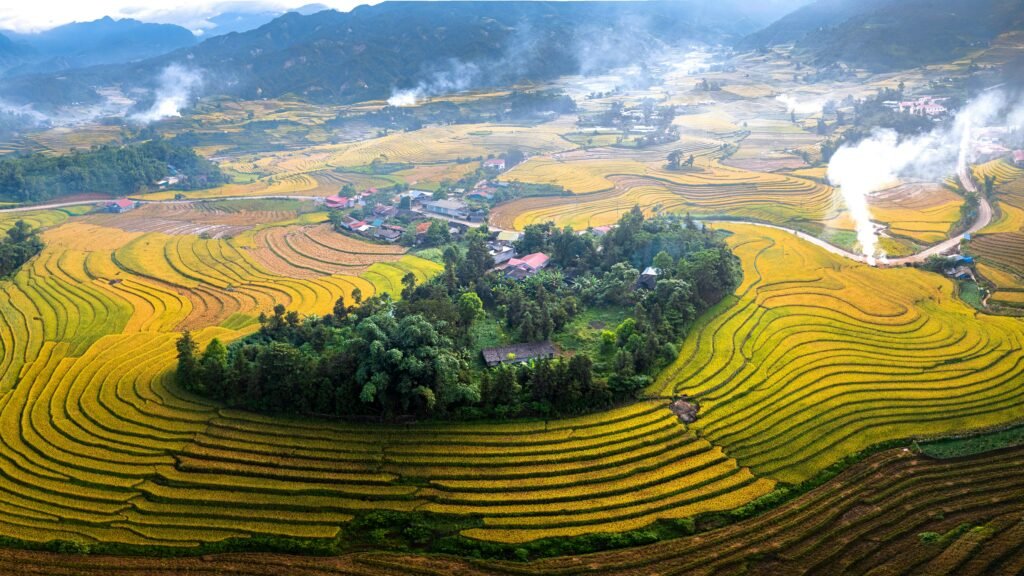
It is the question that decides your dates, and the answer depends entirely on the region. There isn’t one golden rice-field season in Vietnam; there are several, months apart.In the mountainous North-West — Mù Cang Chải, Hoàng Su Phì, Sa Pa, Y Tý — there is only one harvest a year. The terraces turn yellow from mid-September to mid-October, and the window lasts only two to three weeks. It is short, it is tyrannical, and it explains why so many travellers miss the image they came for.In Pu Luong and Mai Châu, on the other hand, there are two harvests a year: the terraces are golden in late May–early June, then again in late September. Two windows instead of one, only four hours from Hanoi. It is this region’s decisive argument.In Ninh Binh, among the karst, the rice fields of Tam Cốc turn yellow around late May and early June. You cross them by rowing boat, which is one of the rare chances to see golden rice fields from the water rather than from a pass.
The water-mirror season, more beautiful than the golden one
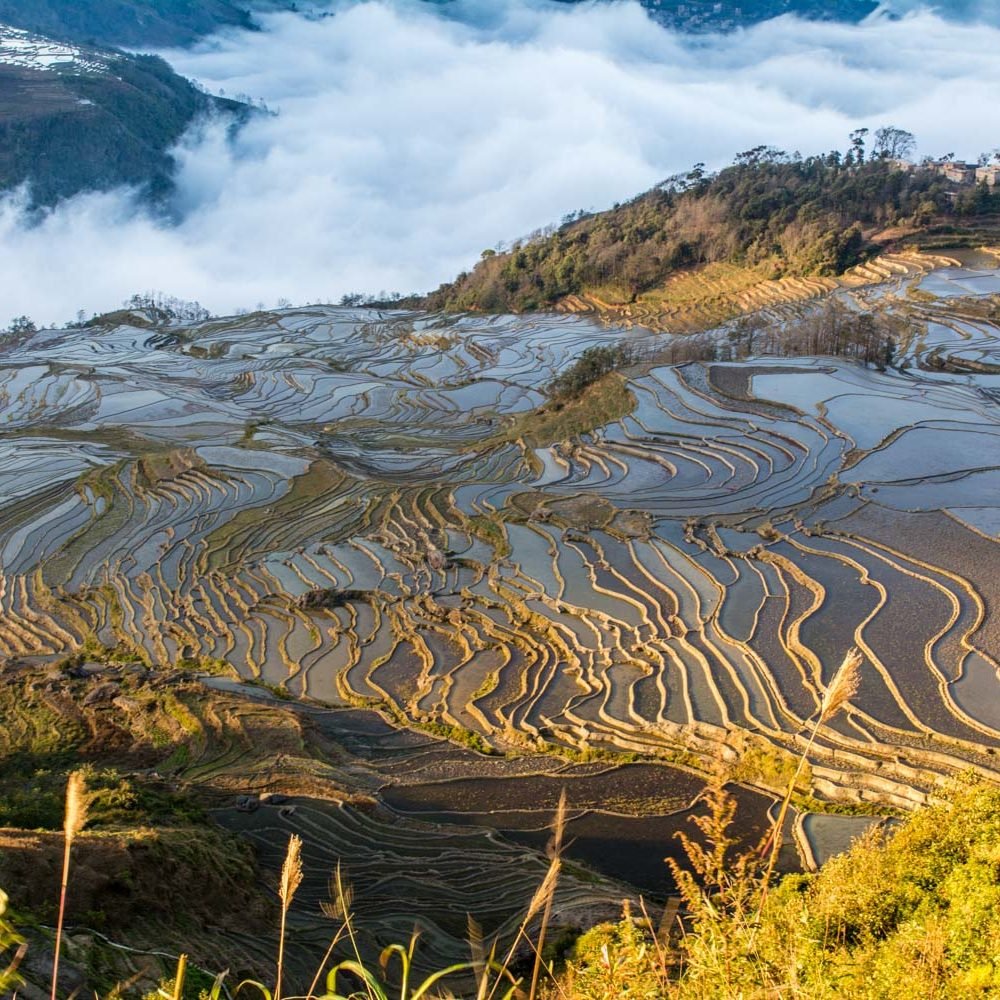
It is the secret few guides mention. Before transplanting, farmers flood the terraces: for a few weeks, each plot becomes a mirror reflecting the sky, the clouds and the evening light. It is called the season of poured water.It falls in May and early June in the North-West, just before green covers everything. For many photographers, it is more spectacular than the golden season, and there are far fewer people — the groups come in September.In between, from June to August, the terraces are an intense green. It is the rainy season, with its violent, short downpours, and a real risk of landslides on mountain roads. We advise against this period for Hà Giang.
Where can you see the most beautiful terraced rice fields?
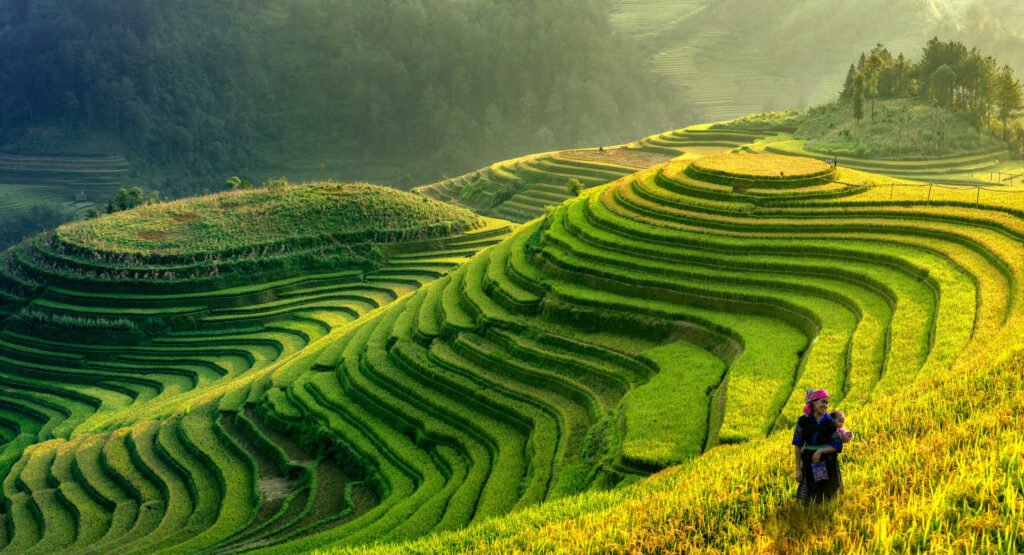
Mù Cang Chải (Yên Bái) — the most photographed terraces in the country, listed as a special national site. The passes of Khả Cọ, Chải Cu Nha and La Pán Tẩn offer the best views.
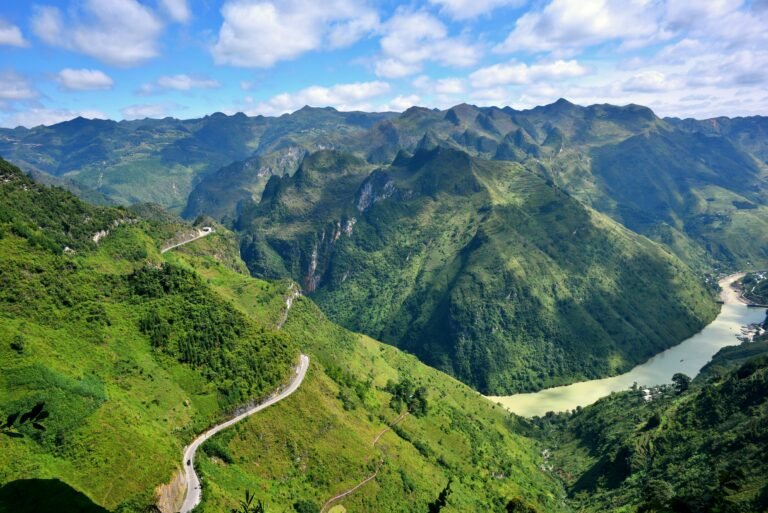
Hoàng Su Phì (Hà Giang) — steeper, less visited, farmed by the Dao and Nùng. Combines with the Hà Giang loop.
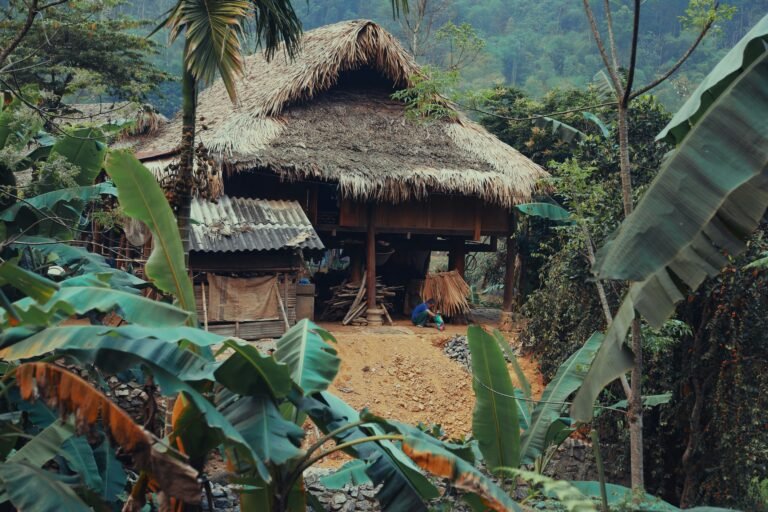
Pu Luong (Thanh Hóa) — two harvests, four hours from Hanoi, bamboo water wheels and Thái stilt houses. The best effort-to-reward ratio.
Sa Pa and the Mường Hoa valley — magnificent, but very busy: leave the town and go down into the side valleys.
Y Tý (Lào Cai) — for the sea of clouds rising from the valleys in the early morning, in September.
Tam Cốc (Ninh Binh) — lowland rice fields among the limestone peaks, by boat, in late May.
A tip from the ground: the low light at the end of the day reveals the relief of the terraces far better than the midday sun, which flattens them. The best hours are between four and six in the afternoon.
The North-West’s golden window lasts two to three weeks a year. A four-day shift completely changes what you will see.
Why do these terraces exist?
They are not an aesthetic choice but a technical answer. The groups who came from southern China in the 18th and 19th centuries found the plains already occupied by the Kinh, and had to farm the slopes. Horizontal steps are cut, each held by an earth bank, and water flows from plot to plot by gravity.The whole is a collective work of remarkable precision: the slope of each bank, the position of the openings, the order of irrigation are negotiated between families. In Pu Luong, bamboo water wheels even lift water to the upper terraces, without an engine, and still work.So what you are photographing is a living farm landscape, not a backdrop. Walk on the banks and not in the plots, ask before crossing private land, and remember that a damaged terrace means a lost harvest for a family.
The rice calendar in the mountains
In the northern mountains, there is only one harvest a year. The terraces are flooded and planted in May and June: it is the season of water mirrors. They turn green in July and August, then yellow from mid-September. The golden peak usually falls in late September and early October in Mu Cang Chai, a little earlier in Sa Pa, a little later in Hoang Su Phi. After the harvest, the fields stay brown until spring. These dates vary by a week or two depending on the rains: we check them every year with our local guides.
The rice fields of the delta
In the deltas, rice grows almost all year round. The Red River Delta has two harvests, the Mekong Delta up to three. So within a few kilometres you see freshly planted fields, green rice paddies and others ready to be harvested. In Ninh Binh, the rice fields of Tam Coc turn golden in late May and early June, just before the first harvest.
The 2027 dates, valley by valley
Sa Pa and the Mường Hoa valley: ripe rice from late August to mid-September.
Mu Cang Chai: ripe rice from mid-September to early October, peaking around late September.
Hoàng Su Phì, in Ha Giang: ripe rice from late September to mid-October.
Pu Luong and Mai Chau: two harvests, late May to mid-June then mid-September to mid-October.
Flooding of the terraces: May and June depending on altitude.
These dates are indicative and can vary by one or two weeks depending on the weather. The detail by valley is in our 2027 rice terrace calendar.
Photographing the rice fields
The best light is in the morning, when the mist lifts in the valleys, and in the late afternoon, when the low sun brings out the curves of the terraces. At midday, the light flattens the relief. Drones are tightly regulated in Vietnam: find out before taking one. And a short telephoto lens often gives more beautiful images of the terraces than a wide-angle.
Respecting the farmers’ work
Rice fields are first and foremost a place of work. You do not walk on the fragile dikes without being invited, you do not pick anything and you ask before photographing someone close up. During the harvest, families work hard and fast: a smile and a few words of Vietnamese are worth more than a long stop in the middle of their field.
One last piece of advice
If your dates are fixed, tell us: we choose the valley whose calendar best matches your visit, rather than promising golden rice fields that will already have been harvested.
How should you organise the trip?
These regions are five to eight hours by road from Hanoi on winding mountain roads. Allow at least three days for Pu Luong, five to six for the Hà Giang loop with Hoàng Su Phì, and plan on a private car with driver rather than the bus.A calendar point that matters: the exact harvest date varies by two to three weeks from one year to the next, depending on the season’s weather. Nobody can predict it six months ahead, but our team on the ground follows it and will tell you, a few weeks before departure, where it really stands.Just tell us whether the rice fields are a priority or a bonus. If they are a priority, they set your dates and everything else is organised around them — not the other way round.
When can you see the golden rice fields in Vietnam?
From mid-September to mid-October in the North-West (Mù Cang Chải, Hoàng Su Phì, Sa Pa), where there is only one harvest a year. In Pu Luong and Mai Châu, two harvests: late May–early June, then late September. In Ninh Binh, late May and early June.
What is the water-mirror season?
May and early June in the North-West, when farmers flood the terraces before transplanting. Each plot then reflects the sky. Many photographers prefer it to the golden season, and there are far fewer people.
Where are the most beautiful terraced rice fields?
Mù Cang Chải for the most spectacular, Hoàng Su Phì for the wildest, Pu Luong for the best balance of access and beauty four hours from Hanoi, Y Tý for the sea of clouds, Tam Cốc to see them from a boat.
How many days should you plan?
Three days minimum for Pu Luong, five to six for the Hà Giang loop with Hoàng Su Phì. These regions are five to eight hours by road from Hanoi on mountain roads: plan on a private car with driver.
Is the harvest date reliable?
It varies by two to three weeks from one year to the next depending on the weather, and nobody can predict it six months ahead. Our team follows it on the ground and lets you know a few weeks before departure.
Can you walk in the rice fields?
On the banks yes, in the plots no: it is a living farm landscape and a damaged terrace means a lost harvest for a family. Ask before crossing private land; people almost always agree.
Putting it into practice
The tours where you experience what this article is about
Audience measurement. We would like to know which pages are useful to you, using Google Analytics. Nothing is stored without your consent, and you can change your mind at any time. Learn more

 Off the beaten trackTrekking in the North-West — 11 daysHanoi — Mai Châu — Pu Luong — Nghia Lo — Mu Cang Chai — Thac Ba Lake — Hanoi11 days / 10 nightsfrom €1,650